THE ADVENTURE COLLECTIVE® · Independent discovery and booking for outdoor travel

A private day trip from Hanoi delivers old-growth forest, limestone caves and the Endangered Primate Rescue Center at Vietnam’s first national park. Expect easy-to-moderate trails, close-up conservation viewing, and a full travel day with iconic northern Vietnamese landscapes.
A private day trip from Hanoi delivers old-growth forest, limestone caves and the Endangered Primate Rescue Center at Vietnam’s first national park. Expect easy-to-moderate trails, close-up conservation viewing, and a full travel day with iconic northern Vietnamese landscapes.
A humid ribbon of road unwinds from Hanoi toward the limestone foothills, and by midmorning the trees close in: broadleaf canopy, ferns brushing trail edges, and the constant hum of insects. Cuc Phuong opens like a living archive — trunks thick with age, leaf litter that smells faintly of iron and rain, and the occasional call of a primate from the reserve.
Verified experiences and guided adventures in the surrounding area.
Operated by Crossing Vietnam Tour · Ninh Binh, Ninh Binh Province
A humid ribbon of road unwinds from Hanoi toward the limestone foothills, and by midmorning the trees close in: broadleaf canopy, ferns brushing trail edges, and the constant hum of insects. Cuc Phuong opens like a living archive — trunks thick with age, leaf litter that smells faintly of iron and rain, and the occasional call of a primate from the reserve.
Vietnam’s first national park, established in 1962, protects one of the country’s richest pockets of biodiversity. Geologically the park sits on karst limestone and red sedimentary soils that shape its caves, sinkholes, and the steep ravines dotted through the forest. Culturally, the area has long supported small communities and researchers; conservation efforts here mix field science with hands-on rehabilitation, especially at the Endangered Primate Rescue Center.
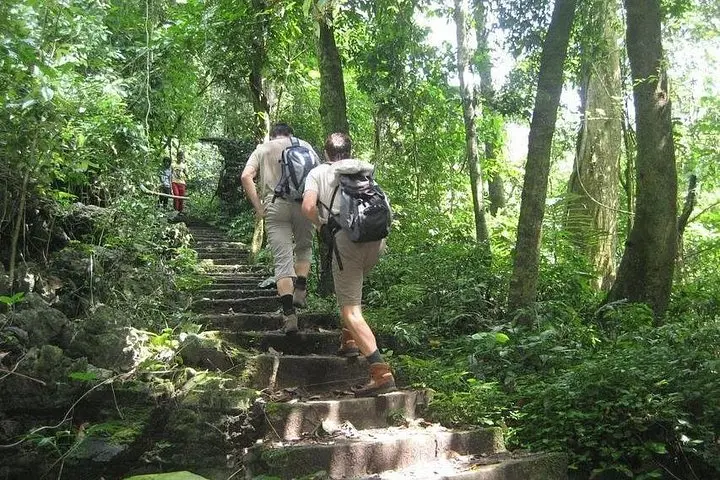
On a guided day trip from Hanoi you’ll typically visit the rescue center, walk easy to moderate forest trails, and stop at viewpoints or caves depending on the route. The primate enclosures and semi-wild areas offer close but respectful observation of species rarely seen elsewhere in Southeast Asia. Fees and guided visits help fund local conservation work.
Practical tip: plan for a full travel day and carry layered rain protection, sturdy shoes for muddy trails, insect protection, and refillable water. Morning light is best for wildlife and photography; late afternoon often brings rain in the wet months. A private car makes this a manageable, conservation-minded way to encounter Vietnam’s oldest national park.
By private car it's roughly 2–3 hours each way depending on traffic; expect a full day when including park time and transfers.
Many day-trip packages include park entry and the rescue center visit; confirm with your operator before booking.
Wild sightings are possible but uncommon; the rescue center provides the most reliable close views of endangered species in managed enclosures.
Dry months (November–February) offer cooler, clearer conditions; mornings are best for wildlife activity and photography.
Crossing Vietnam Tour operates guided outdoor trips and adventures with an emphasis on safety, stewardship, and memorable experiences.
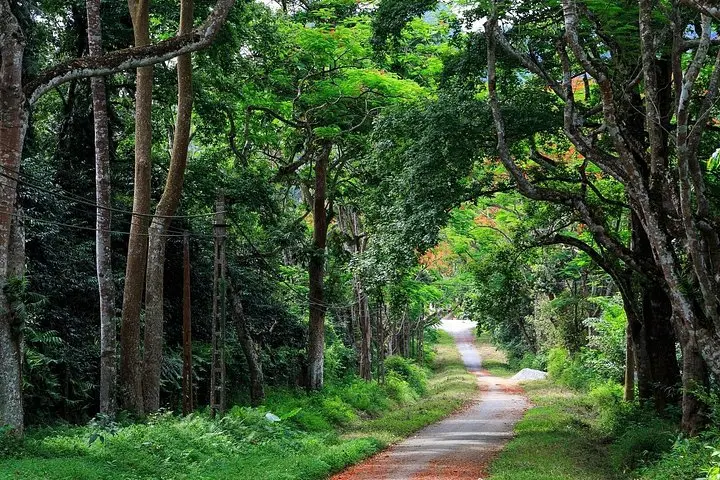
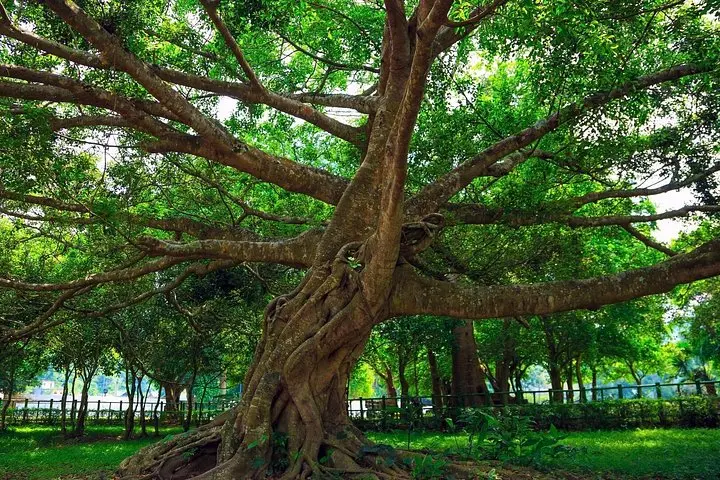

A humid ribbon of road unwinds from Hanoi toward the limestone foothills, and by midmorning the trees close in: broadleaf canopy, ferns brushing trail edges, and the constant hum of insects. Cuc Phuong opens like a living archive — trunks thick with age, leaf litter that smells faintly of iron and rain, and the occasional call of a primate from the reserve.
A humid ribbon of road unwinds from Hanoi toward the limestone foothills, and by midmorning the trees close in: broadleaf canopy, ferns brushing trail edges, and the constant hum of insects. Cuc Phuong opens like a living archive — trunks thick with age, leaf litter that smells faintly of iron and rain, and the occasional call of a primate from the reserve.
Vietnam’s first national park, established in 1962, protects one of the country’s richest pockets of biodiversity. Geologically the park sits on karst limestone and red sedimentary soils that shape its caves, sinkholes, and the steep ravines dotted through the forest. Culturally, the area has long supported small communities and researchers; conservation efforts here mix field science with hands-on rehabilitation, especially at the Endangered Primate Rescue Center.
On a guided day trip from Hanoi you’ll typically visit the rescue center, walk easy to moderate forest trails, and stop at viewpoints or caves depending on the route. The primate enclosures and semi-wild areas offer close but respectful observation of species rarely seen elsewhere in Southeast Asia. Fees and guided visits help fund local conservation work.
Practical tip: plan for a full travel day and carry layered rain protection, sturdy shoes for muddy trails, insect protection, and refillable water. Morning light is best for wildlife and photography; late afternoon often brings rain in the wet months. A private car makes this a manageable, conservation-minded way to encounter Vietnam’s oldest national park.