THE ADVENTURE COLLECTIVE® · Independent discovery and booking for outdoor travel

Spend a full day in Vietnam’s first national park visiting a primate rescue center, walking ancient forest trails, and exploring a prehistoric cave. This practical guide outlines what to expect, how to prepare, and where to look for wildlife.
Spend a full day in Vietnam’s first national park visiting a primate rescue center, walking ancient forest trails, and exploring a prehistoric cave. This practical guide outlines what to expect, how to prepare, and where to look for wildlife.
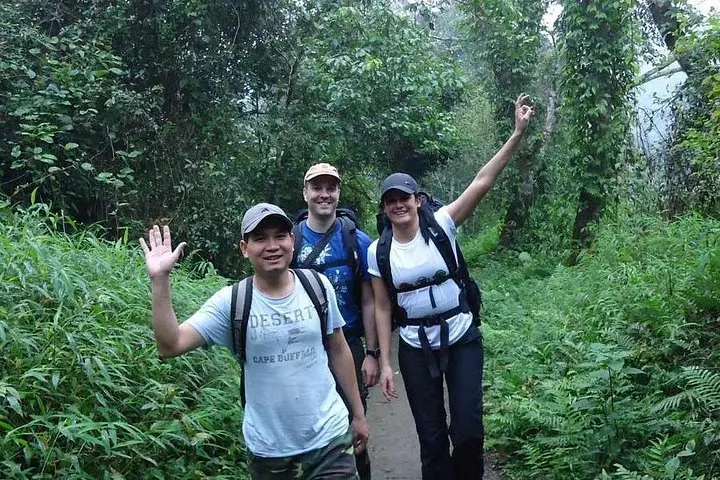
You step out of the air-conditioned van into a humid hush: ferns unfurl at the path edge, cicadas thrum, and the forest canopy parts to let mottled light fall on a trail trampled by generations of boots.
Verified experiences and guided adventures in the surrounding area.
Operated by Amega Tour and general trading company limited · Ninh Binh, Ninh Binh Province
You step out of the air-conditioned van into a humid hush: ferns unfurl at the path edge, cicadas thrum, and the forest canopy parts to let mottled light fall on a trail trampled by generations of boots.
Cuc Phuong was designated Vietnam’s first national park in 1962 and remains one of the country’s most important tropical reserves. The park sits on karst limestone folded over millions of years; caves and sinkholes punctuate dense evergreen forest. Human history here reaches back to prehistoric occupants—interpreted sites and a named Prehistoric Man cave speak to long-standing human presence.
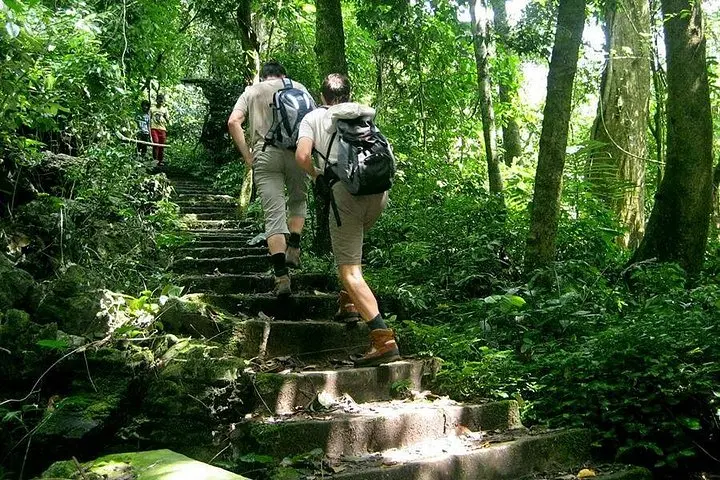
On a typical day tour you’ll visit the Endangered Primate Rescue Center to see efforts to rehabilitate snub-nosed langurs and gibbons, then follow forest paths past giant trees—one locally famous specimen is often called the 1,000-year-old tree. Trails range from compact dirt to exposed roots and short stone steps; expect shaded walks, occasional muddy sections after rain, and wildlife sightings from pheasants to macaques.
Practicalities: most departures are early morning from Hanoi with a 2–2.5 hour drive; plan for a 7–8 hour day. Bring insect repellent, a light rain shell, and refillable water—on-site facilities are limited. Keep voices low near the rescue center and stay on marked trails to protect sensitive habitats. Timing your visit for cooler morning hours improves comfort and wildlife activity. Respect local guides’ instructions: they balance visitor experience with conservation needs.
Expect roughly 2 to 2.5 hours each way by road depending on traffic; many tours depart early to maximize time in the park.
Yes—most day tours include a visit; follow center rules, do not touch animals, and stay on designated viewing paths.
Trails are generally low-technical but involve uneven ground; families and older visitors can usually participate if mobility is reasonable—notify the operator of any concerns.
Basic picnic spots and park facilities exist, but bring snacks or a packed lunch if your tour does not provide one; bottled water is commonly supplied on vehicles.
Amega Tour and general trading company limited operates guided outdoor trips and adventures with an emphasis on safety, stewardship, and memorable experiences.

You step out of the air-conditioned van into a humid hush: ferns unfurl at the path edge, cicadas thrum, and the forest canopy parts to let mottled light fall on a trail trampled by generations of boots.
You step out of the air-conditioned van into a humid hush: ferns unfurl at the path edge, cicadas thrum, and the forest canopy parts to let mottled light fall on a trail trampled by generations of boots.
Cuc Phuong was designated Vietnam’s first national park in 1962 and remains one of the country’s most important tropical reserves. The park sits on karst limestone folded over millions of years; caves and sinkholes punctuate dense evergreen forest. Human history here reaches back to prehistoric occupants—interpreted sites and a named Prehistoric Man cave speak to long-standing human presence.
On a typical day tour you’ll visit the Endangered Primate Rescue Center to see efforts to rehabilitate snub-nosed langurs and gibbons, then follow forest paths past giant trees—one locally famous specimen is often called the 1,000-year-old tree. Trails range from compact dirt to exposed roots and short stone steps; expect shaded walks, occasional muddy sections after rain, and wildlife sightings from pheasants to macaques.
Practicalities: most departures are early morning from Hanoi with a 2–2.5 hour drive; plan for a 7–8 hour day. Bring insect repellent, a light rain shell, and refillable water—on-site facilities are limited. Keep voices low near the rescue center and stay on marked trails to protect sensitive habitats. Timing your visit for cooler morning hours improves comfort and wildlife activity. Respect local guides’ instructions: they balance visitor experience with conservation needs.