THE ADVENTURE COLLECTIVE® · Independent discovery and booking for outdoor travel

Trace Asturias’ northern edge on a half-day from Oviedo: colorful Cudillero harbor, Avilés’ historic center and Niemeyer Center, then the windswept Cabo Peñas lighthouse. Expect easy walking, dramatic coastal geology and seafood towns with deep maritime roots.
Trace Asturias’ northern edge on a half-day from Oviedo: colorful Cudillero harbor, Avilés’ historic center and Niemeyer Center, then the windswept Cabo Peñas lighthouse. Expect easy walking, dramatic coastal geology and seafood towns with deep maritime roots.
A salt-laced wind meets the coach as it leaves Oviedo, and within an hour the landscape loosens into the Atlantic edge: steep cliffs, slate roofs, and narrow ports that seem to lean toward the sea. In Cudillero the harbor crowds with color—fishermen’s houses stacked like cards on a steep slope—and a short pier walk puts travelers within arm’s reach of bobbing boats and gulls that size up every landing.
Verified experiences and guided adventures in the surrounding area.
Operated by EXPLORING CANTABRIA · Oviedo, Asturias
A salt-laced wind meets the coach as it leaves Oviedo, and within an hour the landscape loosens into the Atlantic edge: steep cliffs, slate roofs, and narrow ports that seem to lean toward the sea. In Cudillero the harbor crowds with color—fishermen’s houses stacked like cards on a steep slope—and a short pier walk puts travelers within arm’s reach of bobbing boats and gulls that size up every landing.
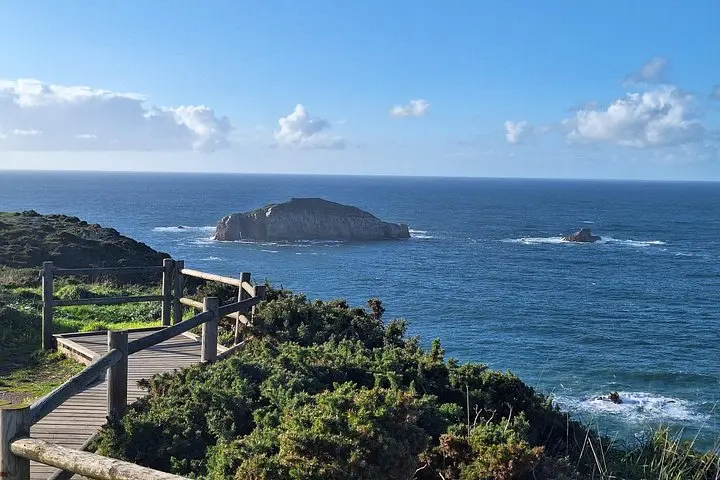
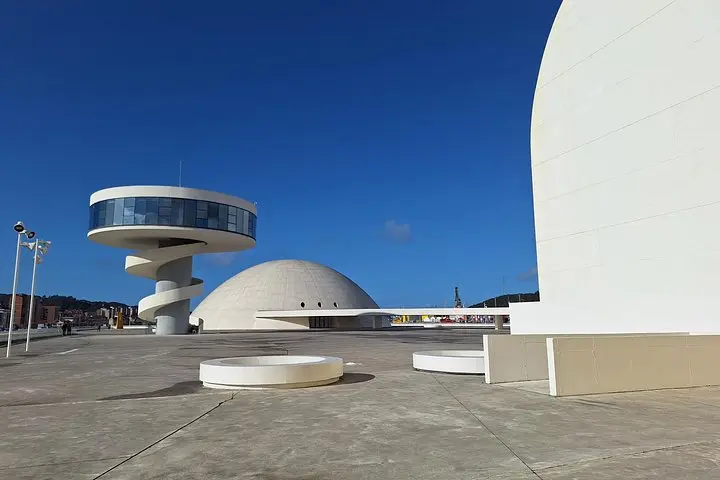
The tour moves inland to Avilés, where its medieval grid and the modern sweep of the Niemeyer Center sit in obvious conversation. The architecture traces centuries of maritime trade and industrial growth; the Niemeyer’s white concrete offers a dramatic contrast to the town’s older stone plazas. From there the coach climbs toward Cabo Peñas, the northernmost point of Asturias, where the red-and-white lighthouse watches over windscarved cliffs and a coastline shaped by strong Atlantic swell.
Geologically the Cantabrian coast here shows folded Carboniferous rocks and wave-cut platforms; culturally it’s a working coastline—fishing, cider (sidra) traditions and small-scale seafood restaurants remain visible in daily life. Expect easy walking on cobbles and cliff paths, short staircases in town centers, and open, exposed headlands at the lighthouse where the wind will push you along.
Practical notes: bring layers, sturdy shoes for uneven cobbles, a rain layer any time of year and a daypack with water. Timing favors morning departures to avoid crowds in Cudillero and to get clearer light on the cliffs. The route offers accessible, low-elevation walking but high exposure to weather—plan accordingly.
The tour runs about 5.5 hours (330 minutes) and typically departs from Oviedo in the morning; check your booking for the exact start time.
No—walking is light and suitable for most people, involving short cobbled streets and moderate cliffside paths without significant elevation gain.
This tour offers exterior visits and local orientation; paid interior admissions (if desired) are typically not included—confirm with the operator.
The tour notes stroller accessibility for infants, but cobbled areas and stairs in Cudillero may limit mobility—plan for some carrying.
EXPLORING CANTABRIA operates guided outdoor trips and adventures with an emphasis on safety, stewardship, and memorable experiences.
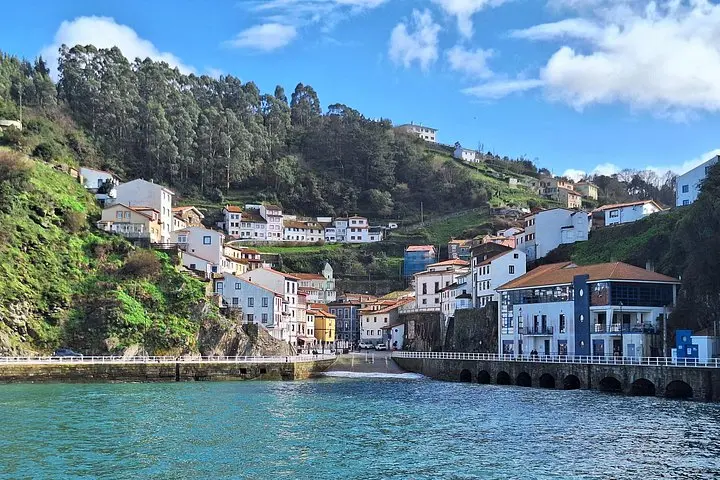
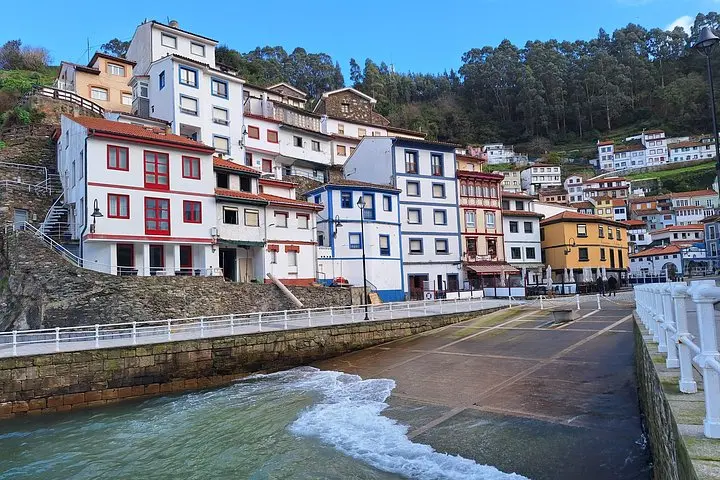
A salt-laced wind meets the coach as it leaves Oviedo, and within an hour the landscape loosens into the Atlantic edge: steep cliffs, slate roofs, and narrow ports that seem to lean toward the sea. In Cudillero the harbor crowds with color—fishermen’s houses stacked like cards on a steep slope—and a short pier walk puts travelers within arm’s reach of bobbing boats and gulls that size up every landing.
A salt-laced wind meets the coach as it leaves Oviedo, and within an hour the landscape loosens into the Atlantic edge: steep cliffs, slate roofs, and narrow ports that seem to lean toward the sea. In Cudillero the harbor crowds with color—fishermen’s houses stacked like cards on a steep slope—and a short pier walk puts travelers within arm’s reach of bobbing boats and gulls that size up every landing.
The tour moves inland to Avilés, where its medieval grid and the modern sweep of the Niemeyer Center sit in obvious conversation. The architecture traces centuries of maritime trade and industrial growth; the Niemeyer’s white concrete offers a dramatic contrast to the town’s older stone plazas. From there the coach climbs toward Cabo Peñas, the northernmost point of Asturias, where the red-and-white lighthouse watches over windscarved cliffs and a coastline shaped by strong Atlantic swell.
Geologically the Cantabrian coast here shows folded Carboniferous rocks and wave-cut platforms; culturally it’s a working coastline—fishing, cider (sidra) traditions and small-scale seafood restaurants remain visible in daily life. Expect easy walking on cobbles and cliff paths, short staircases in town centers, and open, exposed headlands at the lighthouse where the wind will push you along.
Practical notes: bring layers, sturdy shoes for uneven cobbles, a rain layer any time of year and a daypack with water. Timing favors morning departures to avoid crowds in Cudillero and to get clearer light on the cliffs. The route offers accessible, low-elevation walking but high exposure to weather—plan accordingly.