THE ADVENTURE COLLECTIVE® · Independent discovery and booking for outdoor travel

Explore the vaulted chambers of Cuevas del Canelobre and the surprising Museum of Ethnic Music in Busot on a private half-day tour from Alicante. Expect dramatic cave formations, steady 18°C temperatures, and a compact visit to local history and instruments.
Explore the vaulted chambers of Cuevas del Canelobre and the surprising Museum of Ethnic Music in Busot on a private half-day tour from Alicante. Expect dramatic cave formations, steady 18°C temperatures, and a compact visit to local history and instruments.
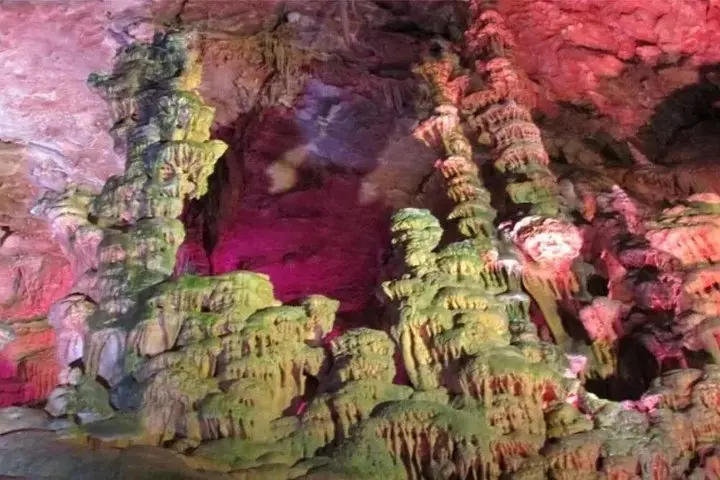
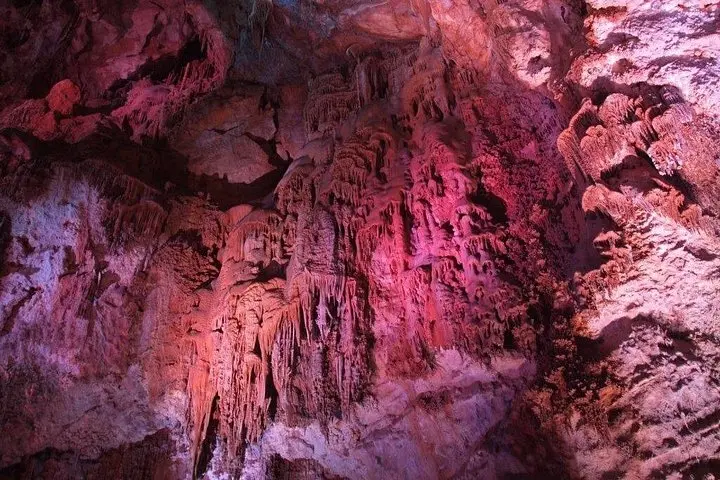
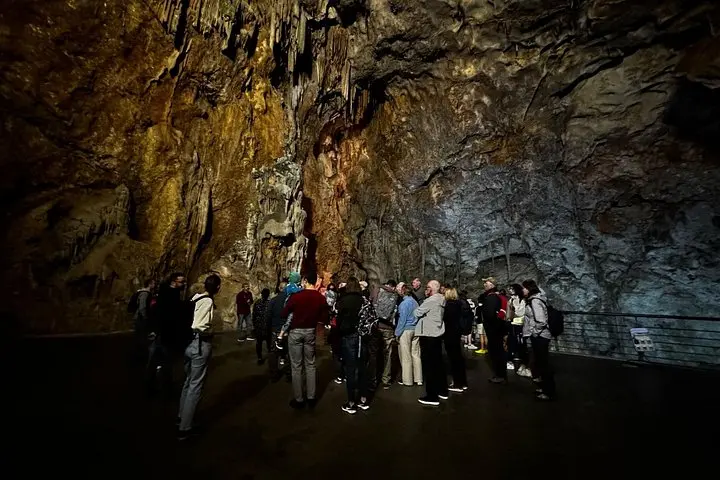
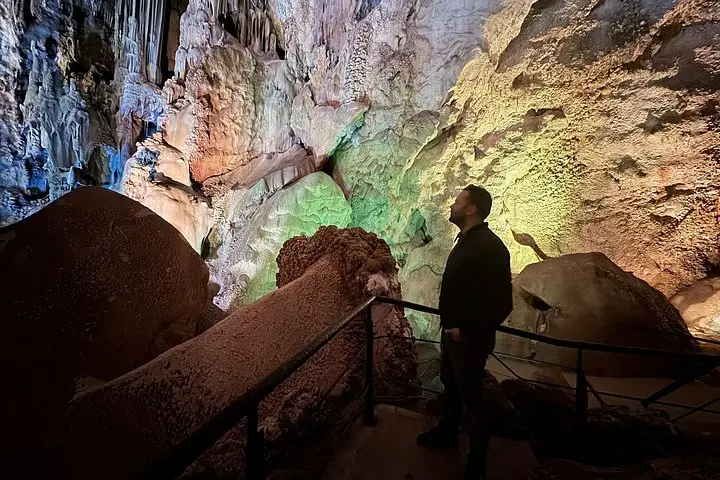
You step out of the van onto a windy shoulder at 700 meters above sea level and the mountain exhales history — a dry Mediterranean breeze that carries the scent of thyme and limestone. A short switchback brings you to the mouth of Cuevas del Canelobre; inside, columns and draped calcite rise like an underground cathedral and the main dome opens above you like a vaulted nave. The cave’s constant 18°C hush shelters formations shaped over some 145 million years, and guides point out where water once bored tunnels and where locals took refuge during the Spanish Civil War.
Verified experiences and guided adventures in the surrounding area.
Operated by Paella Travel · Busot, Alicante
You step out of the van onto a windy shoulder at 700 meters above sea level and the mountain exhales history — a dry Mediterranean breeze that carries the scent of thyme and limestone. A short switchback brings you to the mouth of Cuevas del Canelobre; inside, columns and draped calcite rise like an underground cathedral and the main dome opens above you like a vaulted nave. The cave’s constant 18°C hush shelters formations shaped over some 145 million years, and guides point out where water once bored tunnels and where locals took refuge during the Spanish Civil War.
The visit pairs geology with local culture: a guided stroll through Busot’s compact historic center and the Museum of Ethnic Music, where instruments from around the globe trace the role of sound in everyday life. Geology here reads as layered chapters — karst processes in Cretaceous limestones produced tall stalactites and thick stalagmites; the cave’s broad dome echoes like a concert hall, which is why it hosts performances.
Practical side: the trip runs about 2–3 hours door-to-door from Alicante, with private transport and included admission. Wear sturdy shoes for uneven cave flooring, bring a light layer for the steady cave cool, and time visits for morning or late afternoon to avoid peak heat outside. Small-group guides explain formation processes, local wartime history, and the museum’s curiosities — an efficient half-day blend of natural spectacle and cultural context.
Yes — private van transfers from central Alicante are included; specify pickup point when booking.
Guided time inside the caves is about 45–60 minutes within the overall 2–3 hour tour.
Generally yes — the route has steps and uneven surfaces but no technical climbing; not recommended for people with serious heart problems.
Yes — the tour provides guides in Spanish, French and English inside the cave as listed.
Paella Travel operates guided outdoor trips and adventures with an emphasis on safety, stewardship, and memorable experiences.
You step out of the van onto a windy shoulder at 700 meters above sea level and the mountain exhales history — a dry Mediterranean breeze that carries the scent of thyme and limestone. A short switchback brings you to the mouth of Cuevas del Canelobre; inside, columns and draped calcite rise like an underground cathedral and the main dome opens above you like a vaulted nave. The cave’s constant 18°C hush shelters formations shaped over some 145 million years, and guides point out where water once bored tunnels and where locals took refuge during the Spanish Civil War.
You step out of the van onto a windy shoulder at 700 meters above sea level and the mountain exhales history — a dry Mediterranean breeze that carries the scent of thyme and limestone. A short switchback brings you to the mouth of Cuevas del Canelobre; inside, columns and draped calcite rise like an underground cathedral and the main dome opens above you like a vaulted nave. The cave’s constant 18°C hush shelters formations shaped over some 145 million years, and guides point out where water once bored tunnels and where locals took refuge during the Spanish Civil War.
The visit pairs geology with local culture: a guided stroll through Busot’s compact historic center and the Museum of Ethnic Music, where instruments from around the globe trace the role of sound in everyday life. Geology here reads as layered chapters — karst processes in Cretaceous limestones produced tall stalactites and thick stalagmites; the cave’s broad dome echoes like a concert hall, which is why it hosts performances.
Practical side: the trip runs about 2–3 hours door-to-door from Alicante, with private transport and included admission. Wear sturdy shoes for uneven cave flooring, bring a light layer for the steady cave cool, and time visits for morning or late afternoon to avoid peak heat outside. Small-group guides explain formation processes, local wartime history, and the museum’s curiosities — an efficient half-day blend of natural spectacle and cultural context.