THE ADVENTURE COLLECTIVE® · Independent discovery and booking for outdoor travel

Visit the Premier Mine where the 3,106-carat Star of Africa was uncovered, then explore Pretoria’s historic monuments on a time-efficient half-day tour. Expect surface-mine walks, accessible transportation, and guided context on geology and local history.
Visit the Premier Mine where the 3,106-carat Star of Africa was uncovered, then explore Pretoria’s historic monuments on a time-efficient half-day tour. Expect surface-mine walks, accessible transportation, and guided context on geology and local history.
You arrive on a sun-washed road east of Pretoria; the air smells faintly of dust and grass, the horizon cut by the low slopes around Cullinan. The Premier Mine gate stands plain but imposing—this is where the Star of Africa began its journey to the Crown Jewels. The tour moves at a steady, accessible pace: a surface-mine walk, a guided talk about the finds, then a short drive into Pretoria for civic landmarks.
Verified experiences and guided adventures in the surrounding area.
Operated by Nhlalala Travel · Cullinan, Gauteng
You arrive on a sun-washed road east of Pretoria; the air smells faintly of dust and grass, the horizon cut by the low slopes around Cullinan. The Premier Mine gate stands plain but imposing—this is where the Star of Africa began its journey to the Crown Jewels. The tour moves at a steady, accessible pace: a surface-mine walk, a guided talk about the finds, then a short drive into Pretoria for civic landmarks.
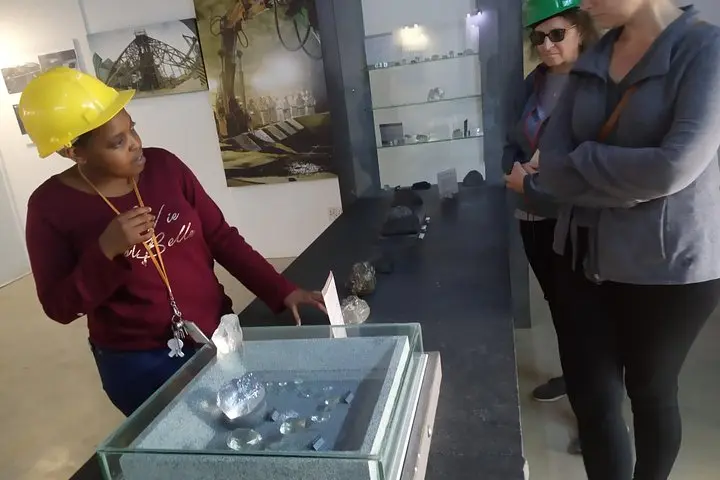
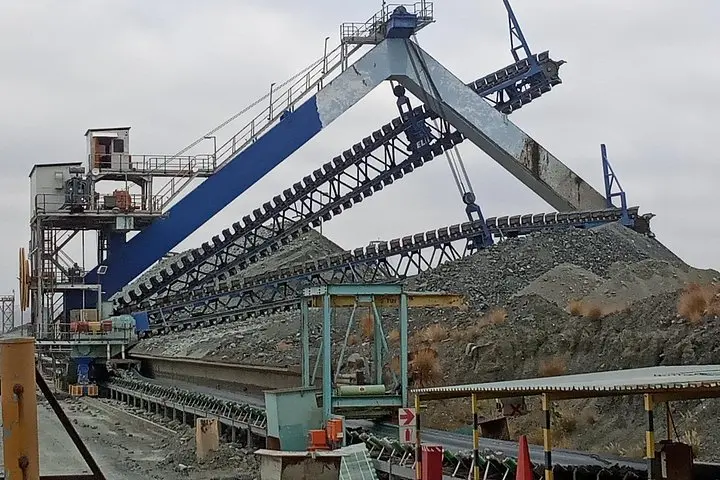
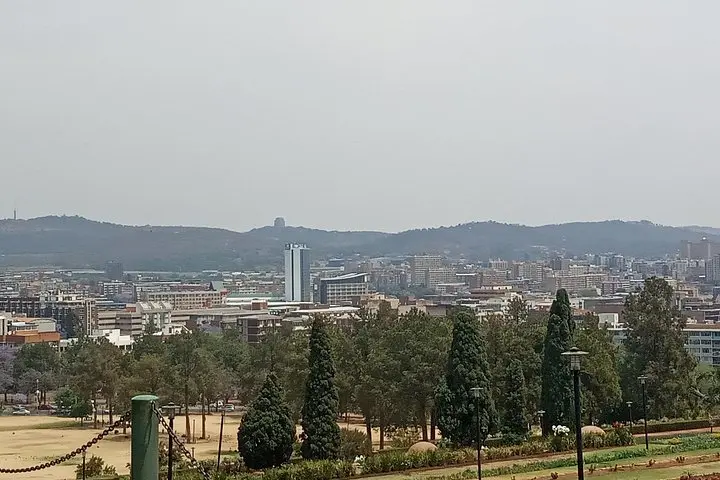
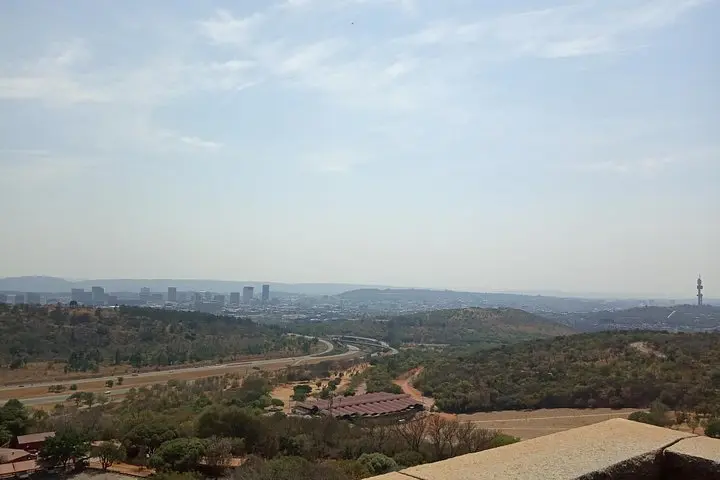
Cullinan's significance runs deep. Discovered in the early 1900s, the mine produced the 3,106-carat Cullinan diamond and continues to yield notable stones, including recent rare blues. Geologically, you’re walking over kimberlite—the volcanic rock that ferries diamonds to the surface—visible in cut faces and exposed benches. Culturally, this trip ties mining history to Pretoria’s colonial and Boer-era sites: expect references to Paul Kruger, the Voortrekker Monument, and the city’s role in South African history.
Practical guidance: the tour lasts about seven hours with moderate walking on paved and gravel surfaces; it’s wheelchair accessible but wear sturdy shoes for uneven sections. The operator provides bottled water and an air-conditioned vehicle; bring sun protection, a camera, and ID for site entry. Mornings are cooler and better for photos; afternoons can be dusty.
Local guides balance geology with social context, explaining both the engineering of modern mining and its community impact. Respect signage on-site, follow the guide near exposed areas, and consider pairing this half-day with an afternoon exploring Pretoria’s museums and monuments for a fuller picture of the region.
Yes—this private tour accommodates families; infant seats and stroller access are available, but guardians should supervise near any exposed areas.
The tour is wheelchair accessible on main surfaces and the vehicle is accessible, but some viewpoints may have steps or gravel—ask the operator in advance.
Bookings are confirmed instantly; cancel at least 24 hours before departure for a full refund per the operator's policy.
Historical stones may be referenced, but specific exhibits depend on current displays; expect guided history and occasional viewing of notable finds if available.
Nhlalala Travel operates guided outdoor trips and adventures with an emphasis on safety, stewardship, and memorable experiences.
You arrive on a sun-washed road east of Pretoria; the air smells faintly of dust and grass, the horizon cut by the low slopes around Cullinan. The Premier Mine gate stands plain but imposing—this is where the Star of Africa began its journey to the Crown Jewels. The tour moves at a steady, accessible pace: a surface-mine walk, a guided talk about the finds, then a short drive into Pretoria for civic landmarks.
You arrive on a sun-washed road east of Pretoria; the air smells faintly of dust and grass, the horizon cut by the low slopes around Cullinan. The Premier Mine gate stands plain but imposing—this is where the Star of Africa began its journey to the Crown Jewels. The tour moves at a steady, accessible pace: a surface-mine walk, a guided talk about the finds, then a short drive into Pretoria for civic landmarks.
Cullinan's significance runs deep. Discovered in the early 1900s, the mine produced the 3,106-carat Cullinan diamond and continues to yield notable stones, including recent rare blues. Geologically, you’re walking over kimberlite—the volcanic rock that ferries diamonds to the surface—visible in cut faces and exposed benches. Culturally, this trip ties mining history to Pretoria’s colonial and Boer-era sites: expect references to Paul Kruger, the Voortrekker Monument, and the city’s role in South African history.
Practical guidance: the tour lasts about seven hours with moderate walking on paved and gravel surfaces; it’s wheelchair accessible but wear sturdy shoes for uneven sections. The operator provides bottled water and an air-conditioned vehicle; bring sun protection, a camera, and ID for site entry. Mornings are cooler and better for photos; afternoons can be dusty.
Local guides balance geology with social context, explaining both the engineering of modern mining and its community impact. Respect signage on-site, follow the guide near exposed areas, and consider pairing this half-day with an afternoon exploring Pretoria’s museums and monuments for a fuller picture of the region.