THE ADVENTURE COLLECTIVE® · Independent discovery and booking for outdoor travel

Stand at the rim of the Big Hole and learn where the 3,106‑carat Cullinan diamond was found. This surface tour mixes geology, mining history, and a practical look at modern gem trade—ideal for curious travelers who want context with their views.
Stand at the rim of the Big Hole and learn where the 3,106‑carat Cullinan diamond was found. This surface tour mixes geology, mining history, and a practical look at modern gem trade—ideal for curious travelers who want context with their views.
You arrive at the rim with dust on the road and the vast, raw mouth of the Big Hole yawning ahead: a half-kilometer-wide scar of terraced benches and weathered kimberlite rock. The air carries the metallic tang of old machinery and the low hum of the hoist room; guides point out the original 3,106-carat Cullinan diamond site and the lines where miners once worked.
Verified experiences and guided adventures in the surrounding area.
Operated by Swangs Safaris · Cullinan, Gauteng
You arrive at the rim with dust on the road and the vast, raw mouth of the Big Hole yawning ahead: a half-kilometer-wide scar of terraced benches and weathered kimberlite rock. The air carries the metallic tang of old machinery and the low hum of the hoist room; guides point out the original 3,106-carat Cullinan diamond site and the lines where miners once worked.
South Africa’s Cullinan Mine opened in 1903 and quickly became the world’s most famous diamond source. The geology is clear underfoot—kimberlite pipes punched up through ancient bedrock, bringing diamonds from deep in the mantle to the surface. The town of Cullinan grew around that industry; you’ll see Victorian mining buildings and a miners’ memorial that speak to the social history of labor, empire, and trade that shaped the region.
On a surface tour you’ll walk rim paths, visit the hoist room, and peer into the terraces rather than descend underground. Guides explain modern extraction methods, gem grading, and how reputations are made at the point of sale—local booths often offer certified stones.
Practicalities: tours run about six hours including transport, so plan for sun, wind, and dust. Wear sturdy shoes, bring the camera and ID if you might purchase gems, and budget time for browsing the museum and gift shop. The site is accessible to most fitness levels but uneven ground can be slippery after rain. Respect safety barriers and follow guide instructions—mining equipment is historic and potentially hazardous. This is a clear, hands-on look at one of the most consequential mining sites in the world.
The tour runs about six hours including transport time; the on-site visit and guided walk typically last 1–2 hours.
Yes—official outlets sell certified stones; bring ID and a credit card and ask for paperwork and certification before purchase.
The tour notes stroller access in some areas, but rim paths can be uneven—infant seats and stroller-friendly paths are limited, so plan accordingly.
Tours confirm instantly and allow full refunds if canceled at least 24 hours before departure; check the operator’s policy for specifics.
Swangs Safaris operates guided outdoor trips and adventures with an emphasis on safety, stewardship, and memorable experiences.
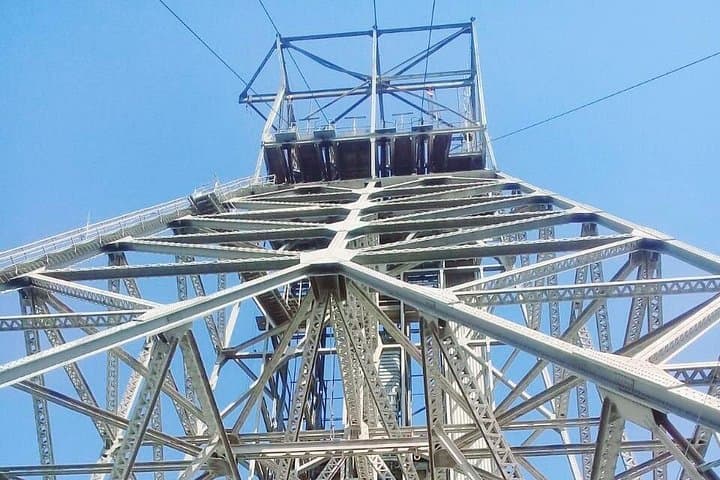
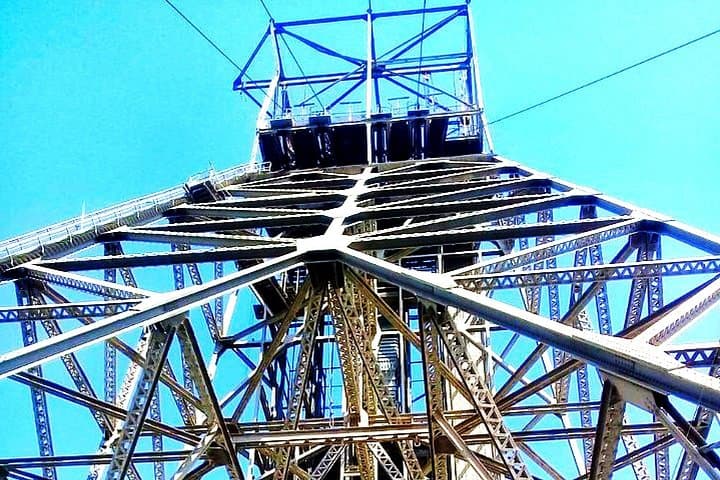
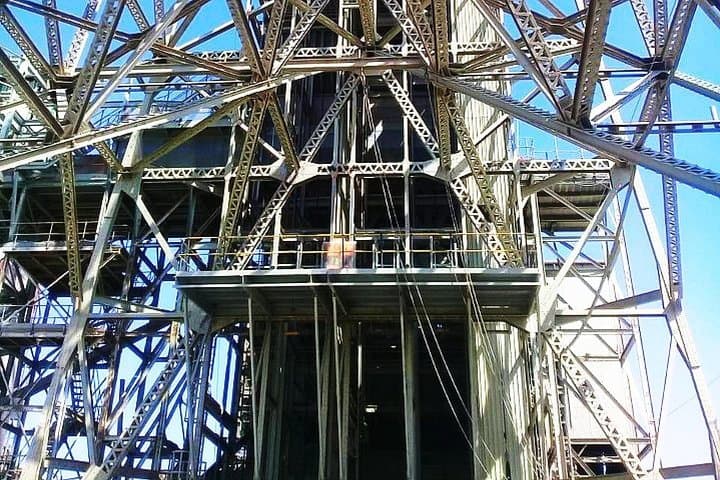
You arrive at the rim with dust on the road and the vast, raw mouth of the Big Hole yawning ahead: a half-kilometer-wide scar of terraced benches and weathered kimberlite rock. The air carries the metallic tang of old machinery and the low hum of the hoist room; guides point out the original 3,106-carat Cullinan diamond site and the lines where miners once worked.
You arrive at the rim with dust on the road and the vast, raw mouth of the Big Hole yawning ahead: a half-kilometer-wide scar of terraced benches and weathered kimberlite rock. The air carries the metallic tang of old machinery and the low hum of the hoist room; guides point out the original 3,106-carat Cullinan diamond site and the lines where miners once worked.
South Africa’s Cullinan Mine opened in 1903 and quickly became the world’s most famous diamond source. The geology is clear underfoot—kimberlite pipes punched up through ancient bedrock, bringing diamonds from deep in the mantle to the surface. The town of Cullinan grew around that industry; you’ll see Victorian mining buildings and a miners’ memorial that speak to the social history of labor, empire, and trade that shaped the region.
On a surface tour you’ll walk rim paths, visit the hoist room, and peer into the terraces rather than descend underground. Guides explain modern extraction methods, gem grading, and how reputations are made at the point of sale—local booths often offer certified stones.
Practicalities: tours run about six hours including transport, so plan for sun, wind, and dust. Wear sturdy shoes, bring the camera and ID if you might purchase gems, and budget time for browsing the museum and gift shop. The site is accessible to most fitness levels but uneven ground can be slippery after rain. Respect safety barriers and follow guide instructions—mining equipment is historic and potentially hazardous. This is a clear, hands-on look at one of the most consequential mining sites in the world.