THE ADVENTURE COLLECTIVE® · Independent discovery and booking for outdoor travel

Trace ancient trade routes and meet nomadic communities on a nine-day overland journey through Niger’s sultanates. Visit Agadez’s UNESCO mosque, Zinder’s Sultan’s Palace and river life along the Niger while traveling by air-conditioned vehicle between cultural highlights.
Trace ancient trade routes and meet nomadic communities on a nine-day overland journey through Niger’s sultanates. Visit Agadez’s UNESCO mosque, Zinder’s Sultan’s Palace and river life along the Niger while traveling by air-conditioned vehicle between cultural highlights.
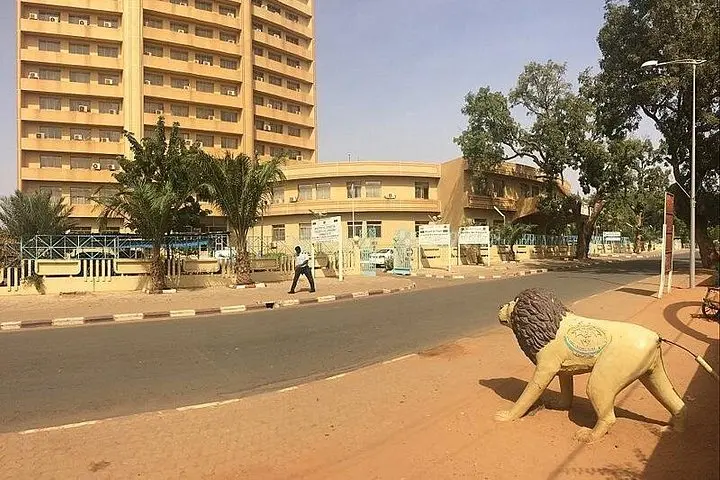
You step from the airport into a hot, sun-drenched Niamey evening and the land opens like a map of histories—mud-brick towns, a wide slow river, and a road that threads sultanates, markets, and desert plateaus.
Verified experiences and guided adventures in the surrounding area.
Operated by Across Africa Tours LLC · Niamey, Niamey
You step from the airport into a hot, sun-drenched Niamey evening and the land opens like a map of histories—mud-brick towns, a wide slow river, and a road that threads sultanates, markets, and desert plateaus.
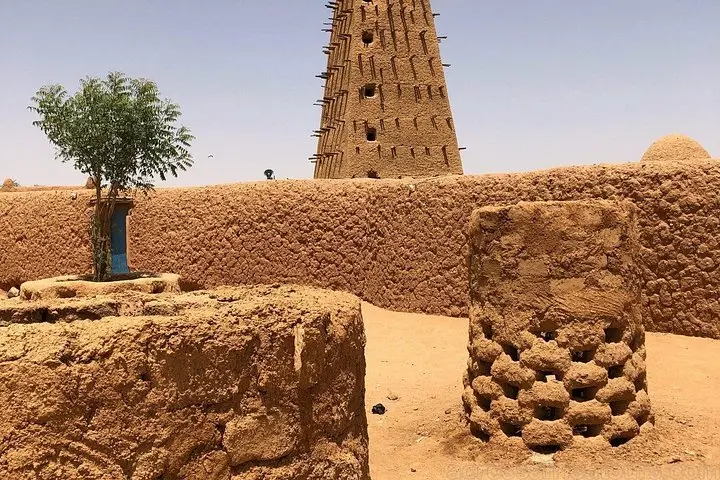
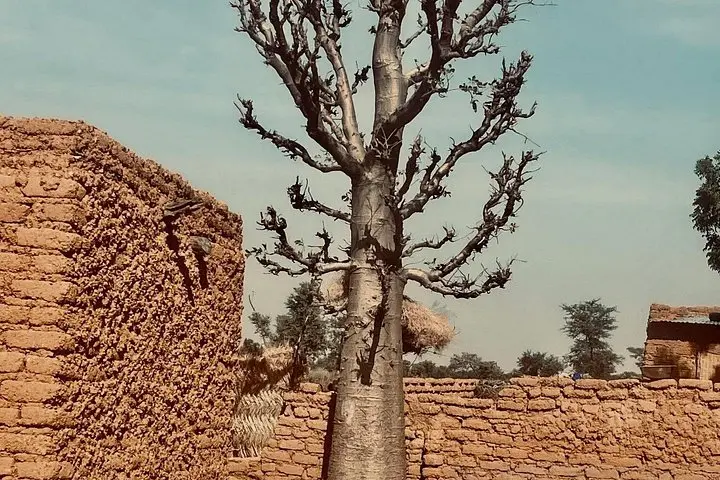
Over nine days you travel from Niamey to Dosso, Zinder, Agadez and back, moving between Sudanese-style mosques, Hausa courtyards and Tuareg encampments. The route follows old trade corridors: salt caravans once crossed the Ténéré, and the Tiguidit Plateau still cuts a raw ridge between dune seas. Agadez’s mud-brick mosque (UNESCO-listed) and Zinder’s Sultan’s Palace display the layered architecture of Hausa and Saharan cultures; markets pulse with onions from Madaoua, Tuareg silver and Fulani cattle trade.
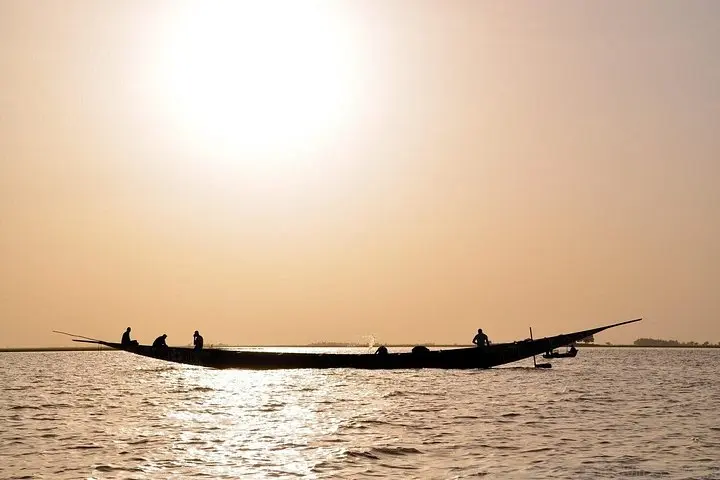
Culturally this is an encounter tour—expect guided visits with local leaders, opportunities to observe guerewool and daily nomadic routines, and a late-afternoon river pinnace along the Niger where hippos and waterfowl animate the banks.
Practically: travel is by air-conditioned vehicle with long daytime transfers—plan for multiple 6–8 hour drives. Accommodations are simple to mid-range hotels; bring sun protection, a good refillable water bottle and modest clothing for mosque and village visits. Roads can be dusty or cut by seasonal rains; check timing against the Harmattan and rainy season. Respect local customs, carry copies of passport and vaccinations information, and budget local cash for markets. This itinerary rewards patience: slow travel yields the most vivid cultural exchanges and landscape moments.
No, the itinerary is rated easy for physical fitness—most activities are short walks, visits and vehicle transfers; be prepared for some uneven ground.
Dry months after the rainy season (October–February) offer clearer roads and cooler nights; avoid peak rainy season when some roads become difficult.
Visitors usually need a visa and should be up to date on routine vaccinations; yellow fever vaccination and malaria prophylaxis are commonly recommended—check current health and entry requirements before travel.
Yes, planned cultural meetings include Tuareg and Fulani encounters; behave respectfully, ask before photographing and follow guide instructions regarding gifts or purchases.
Across Africa Tours LLC operates guided outdoor trips and adventures with an emphasis on safety, stewardship, and memorable experiences.
You step from the airport into a hot, sun-drenched Niamey evening and the land opens like a map of histories—mud-brick towns, a wide slow river, and a road that threads sultanates, markets, and desert plateaus.
You step from the airport into a hot, sun-drenched Niamey evening and the land opens like a map of histories—mud-brick towns, a wide slow river, and a road that threads sultanates, markets, and desert plateaus.
Over nine days you travel from Niamey to Dosso, Zinder, Agadez and back, moving between Sudanese-style mosques, Hausa courtyards and Tuareg encampments. The route follows old trade corridors: salt caravans once crossed the Ténéré, and the Tiguidit Plateau still cuts a raw ridge between dune seas. Agadez’s mud-brick mosque (UNESCO-listed) and Zinder’s Sultan’s Palace display the layered architecture of Hausa and Saharan cultures; markets pulse with onions from Madaoua, Tuareg silver and Fulani cattle trade.
Culturally this is an encounter tour—expect guided visits with local leaders, opportunities to observe guerewool and daily nomadic routines, and a late-afternoon river pinnace along the Niger where hippos and waterfowl animate the banks.
Practically: travel is by air-conditioned vehicle with long daytime transfers—plan for multiple 6–8 hour drives. Accommodations are simple to mid-range hotels; bring sun protection, a good refillable water bottle and modest clothing for mosque and village visits. Roads can be dusty or cut by seasonal rains; check timing against the Harmattan and rainy season. Respect local customs, carry copies of passport and vaccinations information, and budget local cash for markets. This itinerary rewards patience: slow travel yields the most vivid cultural exchanges and landscape moments.