THE ADVENTURE COLLECTIVE® · Independent discovery and booking for outdoor travel

Spend a day from Muscat exploring Nizwa’s bustling souq and 17th-century fort, then climb to the cool terraces of Jebel Akhdar where rose-scented orchards and ancient falaj channels reveal Oman’s highland culture. This private tour combines history, geology and hands-on local traditions.
Spend a day from Muscat exploring Nizwa’s bustling souq and 17th-century fort, then climb to the cool terraces of Jebel Akhdar where rose-scented orchards and ancient falaj channels reveal Oman’s highland culture. This private tour combines history, geology and hands-on local traditions.
You roll out of Muscat before the heat builds and the road unfurls into scrub, wadi beds and stone villages. The air sharpens as you climb; by the time you reach the Saiq Plateau at about 2,000 m the landscape cools and terraces of fruit trees and rose bushes hold the scent of mountain irrigation.
Verified experiences and guided adventures in the surrounding area.
Operated by Marhaba Dhofar · Nizwa, Ad Dakhiliyah
You roll out of Muscat before the heat builds and the road unfurls into scrub, wadi beds and stone villages. The air sharpens as you climb; by the time you reach the Saiq Plateau at about 2,000 m the landscape cools and terraces of fruit trees and rose bushes hold the scent of mountain irrigation.
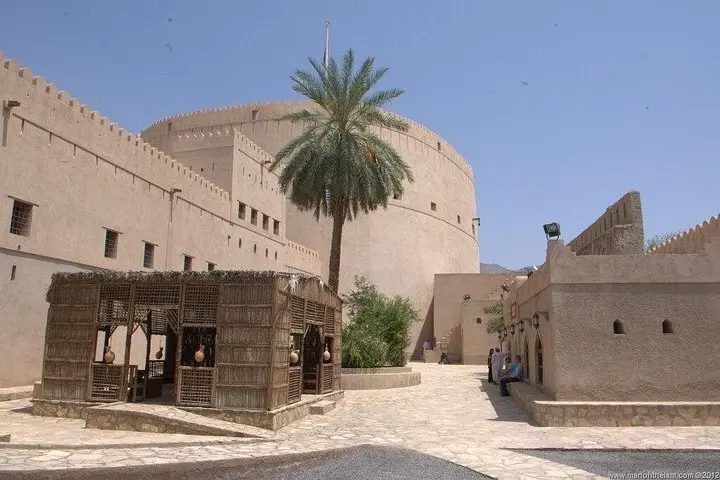
History sits in the stone of Nizwa Fort — a 17th-century round tower raised under Imam Sultan bin Saif Al Ya’rubi — and in the falaj channels that still feed orchards below. Geologically the Al Hajar range is limestone and folded sandstone; the massif forces clouds upward so the plateau catches moisture, supporting orchards unlike the lowland desert.
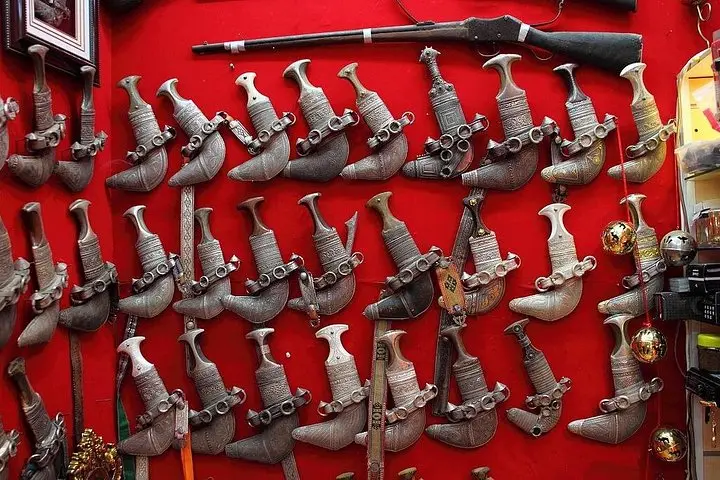
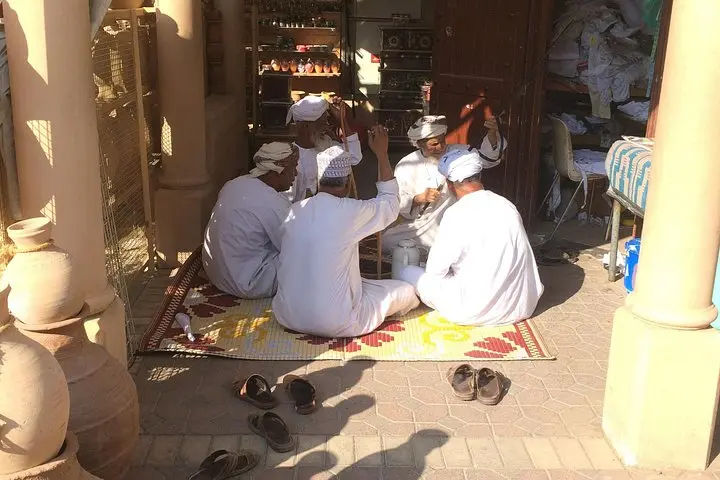
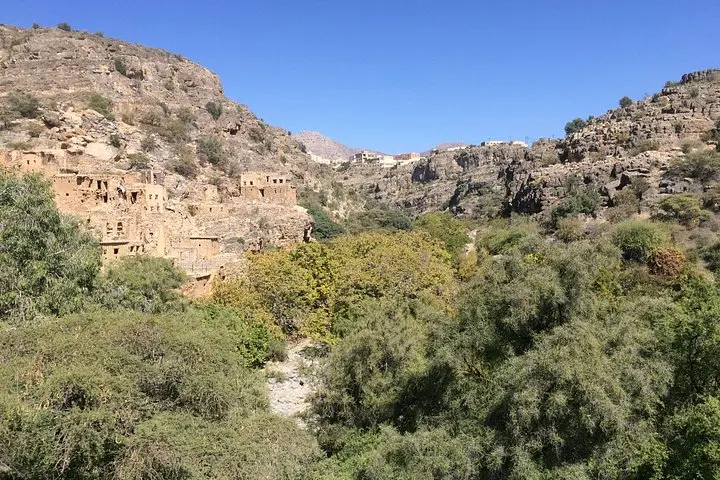
Culture here is hands-on: souq alleys of silverwork and frankincense, farmers pruning pomegranates, women distilling rose water in March–April. Villages such as Birkat Al Mouz show ancient irrigation engineering that earned UNESCO recognition; Wadi Bani Habib reveals steep terraces clinging to ravine walls.
Practical guide: expect an 8-hour private day tour with air-conditioned transport, short guided walks, and easy access to viewpoints. The drive from Muscat is two hours each way; prepare for cooler temperatures on the plateau (layers advised), uneven village paths, and modest dress in market and mosque areas. Bring water, sturdy shoes for fort stairways, and a camera with zoom for distant gorges. If visiting Friday, plan an early start to catch the cattle market at dawn. Respect private orchards and falaj channels—these water systems are both cultural heritage and fragile resources.
Expect roughly a 2-hour scenic drive each way depending on traffic and stops en route.
Admission is typically not included — confirm with the operator and have local currency available for tickets.
Yes — the itinerary is physically easy with short walks, but not recommended for travelers with serious spinal injuries or severe mobility issues.
Roses are distilled in March–April; visiting then offers fragrant fields and local distillation demonstrations.
Marhaba Dhofar operates guided outdoor trips and adventures with an emphasis on safety, stewardship, and memorable experiences.
You roll out of Muscat before the heat builds and the road unfurls into scrub, wadi beds and stone villages. The air sharpens as you climb; by the time you reach the Saiq Plateau at about 2,000 m the landscape cools and terraces of fruit trees and rose bushes hold the scent of mountain irrigation.
You roll out of Muscat before the heat builds and the road unfurls into scrub, wadi beds and stone villages. The air sharpens as you climb; by the time you reach the Saiq Plateau at about 2,000 m the landscape cools and terraces of fruit trees and rose bushes hold the scent of mountain irrigation.
History sits in the stone of Nizwa Fort — a 17th-century round tower raised under Imam Sultan bin Saif Al Ya’rubi — and in the falaj channels that still feed orchards below. Geologically the Al Hajar range is limestone and folded sandstone; the massif forces clouds upward so the plateau catches moisture, supporting orchards unlike the lowland desert.
Culture here is hands-on: souq alleys of silverwork and frankincense, farmers pruning pomegranates, women distilling rose water in March–April. Villages such as Birkat Al Mouz show ancient irrigation engineering that earned UNESCO recognition; Wadi Bani Habib reveals steep terraces clinging to ravine walls.
Practical guide: expect an 8-hour private day tour with air-conditioned transport, short guided walks, and easy access to viewpoints. The drive from Muscat is two hours each way; prepare for cooler temperatures on the plateau (layers advised), uneven village paths, and modest dress in market and mosque areas. Bring water, sturdy shoes for fort stairways, and a camera with zoom for distant gorges. If visiting Friday, plan an early start to catch the cattle market at dawn. Respect private orchards and falaj channels—these water systems are both cultural heritage and fragile resources.