THE ADVENTURE COLLECTIVE® · Independent discovery and booking for outdoor travel

Taste Curaçao through its people: a 2.5-hour walking tour of Willemstad that pairs market bites and sweets with cultural stories and a traditional headscarf demonstration. Learn where each flavor came from and how locals keep those recipes alive.
Taste Curaçao through its people: a 2.5-hour walking tour of Willemstad that pairs market bites and sweets with cultural stories and a traditional headscarf demonstration. Learn where each flavor came from and how locals keep those recipes alive.
You step off the shaded promenade of Riffort Village into the warm, citrus-scented air of Willemstad. The floating Queen Emma Bridge rocks gently, the harbor glinting like a promise; vendors call out from market stalls and a guide leads the group through narrow streets where paint-peeling colonial façades catch bright sunlight. Sounds of chopping, frying and laughter thread through the tour, turning food into a live map of place and memory.
Verified experiences and guided adventures in the surrounding area.
Operated by Curacao Fascinating Tours · Willemstad, Curaçao
You step off the shaded promenade of Riffort Village into the warm, citrus-scented air of Willemstad. The floating Queen Emma Bridge rocks gently, the harbor glinting like a promise; vendors call out from market stalls and a guide leads the group through narrow streets where paint-peeling colonial façades catch bright sunlight. Sounds of chopping, frying and laughter thread through the tour, turning food into a live map of place and memory.
The island’s flavors are rooted in history: African techniques braided with Spanish, Dutch and indigenous ingredients during the colonial era. Polenta, stews and slow-cooked meats tell a practical story of resourcefulness — little on the plate, much in the technique. Geologically, Curaçao is a limestone plateau; its arid, scrubby hinterland contrasts with the moist, coconut-lined market squares where much of the island’s food culture thrives.
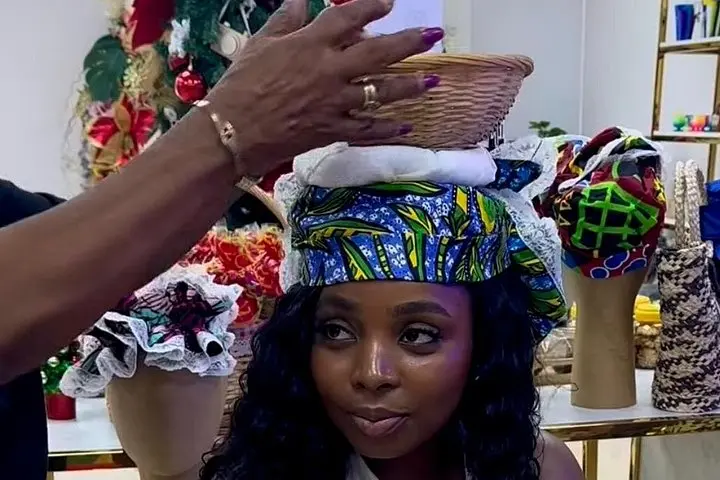
On this 2.5-hour walking tasting, you’ll move between Wilhelmina Square, the market stalls, and a sweets vendor before finishing with a hands-on headscarf demonstration that connects costume to social code. Guides interpret local phrases like dushi and explain how dishes were adapted from limited ingredients into community staples.
Practical notes: wear sturdy walking shoes and a sun hat, bring a refillable bottle (water is provided but refill stations are limited), and flag any dietary restrictions well before the tour — this experience is not recommended for people with serious food allergies or diabetes. The pace is gentle and accessible; expect multiple short stops, photo opportunities on the bridge, and a final cultural demo where you can try on a traditional angisa for a memorable portrait.
Yes — the operator notes that the route and most surfaces are wheelchair accessible, but contact them in advance to confirm specific mobility needs.
Yes — solos are welcome; the tour accepts individual bookings and may combine you with others.
The tour is not recommended for people with severe food allergies or diabetes; minor restrictions should be flagged at booking but full accommodation may be limited.
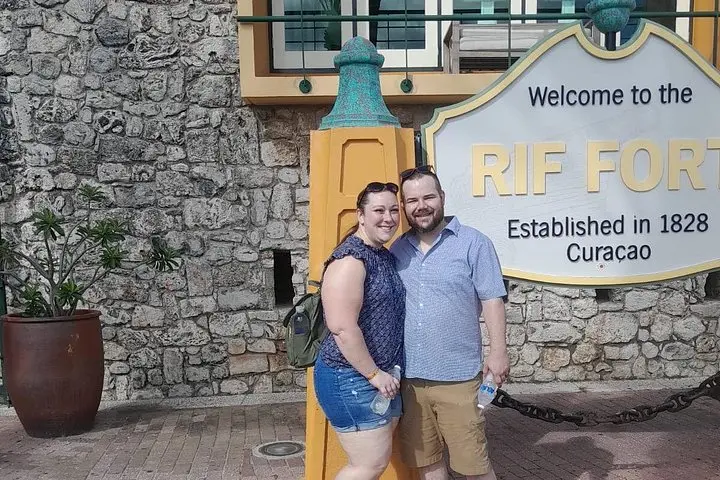
Meet at the entrance of Riffort Village; the final stop is a cultural dress and headscarf demonstration nearby — exact meeting details will be provided after booking.
Curacao Fascinating Tours operates guided outdoor trips and adventures with an emphasis on safety, stewardship, and memorable experiences.
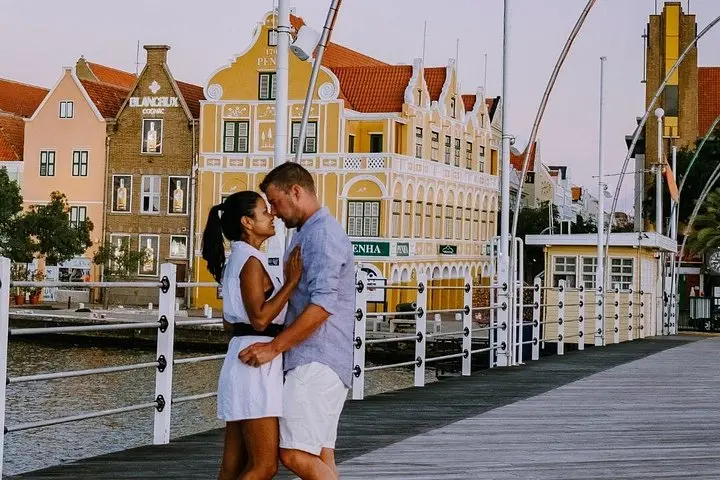
You step off the shaded promenade of Riffort Village into the warm, citrus-scented air of Willemstad. The floating Queen Emma Bridge rocks gently, the harbor glinting like a promise; vendors call out from market stalls and a guide leads the group through narrow streets where paint-peeling colonial façades catch bright sunlight. Sounds of chopping, frying and laughter thread through the tour, turning food into a live map of place and memory.
You step off the shaded promenade of Riffort Village into the warm, citrus-scented air of Willemstad. The floating Queen Emma Bridge rocks gently, the harbor glinting like a promise; vendors call out from market stalls and a guide leads the group through narrow streets where paint-peeling colonial façades catch bright sunlight. Sounds of chopping, frying and laughter thread through the tour, turning food into a live map of place and memory.
The island’s flavors are rooted in history: African techniques braided with Spanish, Dutch and indigenous ingredients during the colonial era. Polenta, stews and slow-cooked meats tell a practical story of resourcefulness — little on the plate, much in the technique. Geologically, Curaçao is a limestone plateau; its arid, scrubby hinterland contrasts with the moist, coconut-lined market squares where much of the island’s food culture thrives.
On this 2.5-hour walking tasting, you’ll move between Wilhelmina Square, the market stalls, and a sweets vendor before finishing with a hands-on headscarf demonstration that connects costume to social code. Guides interpret local phrases like dushi and explain how dishes were adapted from limited ingredients into community staples.
Practical notes: wear sturdy walking shoes and a sun hat, bring a refillable bottle (water is provided but refill stations are limited), and flag any dietary restrictions well before the tour — this experience is not recommended for people with serious food allergies or diabetes. The pace is gentle and accessible; expect multiple short stops, photo opportunities on the bridge, and a final cultural demo where you can try on a traditional angisa for a memorable portrait.