THE ADVENTURE COLLECTIVE® · Independent discovery and booking for outdoor travel

A three-hour, small-group walking experience through Punda where you’ll taste Blue Curaçao and local rum, learn aloe cultivation, watch artisans craft sculptures, and leave with a pair of handmade espadrilles. Perfect for an accessible, hands-on introduction to Curaçao’s culture.
A three-hour, small-group walking experience through Punda where you’ll taste Blue Curaçao and local rum, learn aloe cultivation, watch artisans craft sculptures, and leave with a pair of handmade espadrilles. Perfect for an accessible, hands-on introduction to Curaçao’s culture.
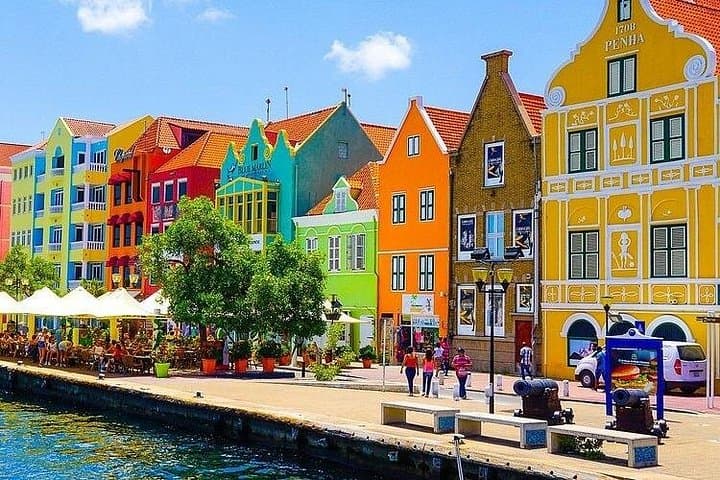
The tour begins on Heerenstraat just as the city wakes: shutters tilt open, a harbor breeze pushes warmth through the streets, and the guide greets you with a local beer that tastes like island sunlight. From that first sip you’re moving—through narrow lanes, past pastel façades, toward workshops and tasting tables where ordinary objects reveal long stories.
Verified experiences and guided adventures in the surrounding area.
Operated by Handmade The Brand® · Willemstad, Curaçao
The tour begins on Heerenstraat just as the city wakes: shutters tilt open, a harbor breeze pushes warmth through the streets, and the guide greets you with a local beer that tastes like island sunlight. From that first sip you’re moving—through narrow lanes, past pastel façades, toward workshops and tasting tables where ordinary objects reveal long stories.
Curaçao’s ingredients are geographic and historical. Blue Curaçao comes from the bitter laraha orange—a hybrid forced into flavor by volcanic soil and colonial trade. Espadrilles trace threads back to Iberian shoemaking brought across the Caribbean during Spanish rule. Aloe grows in the island’s limestone pockets; its use here ties indigenous remedies to modern skincare. Artisans still hand-paint chi chi dolls and carved kabritu figures that speak to identity, humor, and resilience.
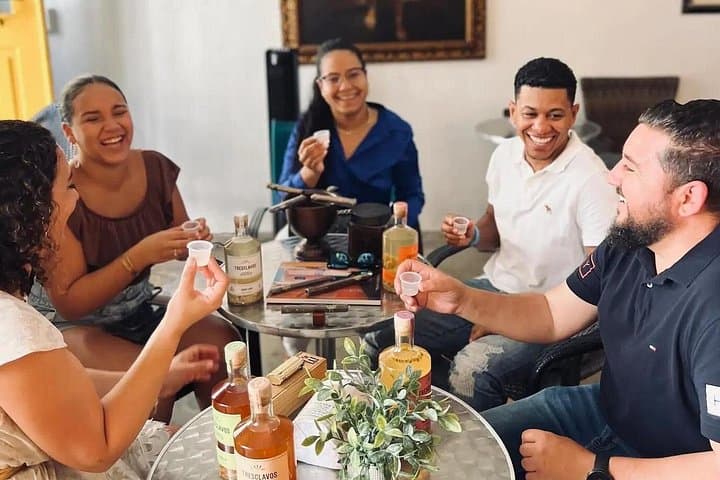
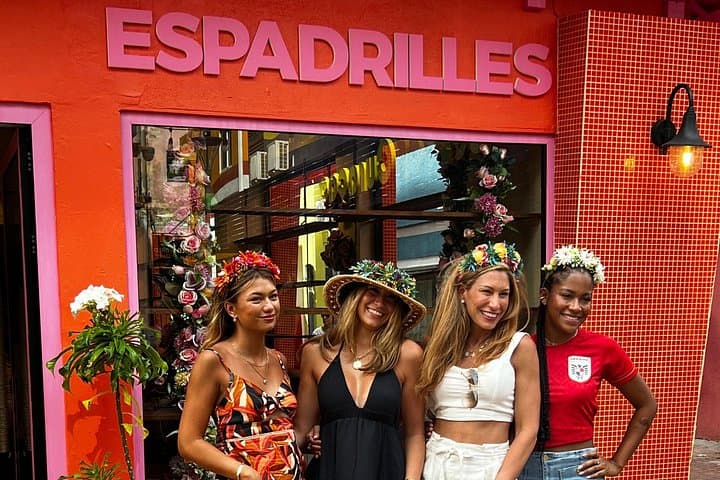
The route is compact and flat—three hours of easy walking with six curated stops all within Punda’s historic core. Expect hands-on moments: cutting aloe, guided tastings of local liqueurs and a rum cocktail called Quenepa, and a live espadrille demonstration where you choose a finished pair to take home.
Practical notes: go early to avoid midday heat, carry a reusable water bottle, and wear comfortable shoes—cobbles and occasional sidewalks are the norm. The experience is wheelchair-accessible and family-friendly, with small groups and local tips woven throughout. Bring curiosity and a light bag for purchases; this is a morning of flavors, craft, and quick cultural lessons that leave you equipped to explore the rest of the island.
Yes — the itinerary notes wheelchair-accessible surfaces and transportation options; contact the operator for specific access needs.
Yes — the experience includes multiple tastings of Curaçao liquor, a rum cocktail sample, and light snacks.
You will watch a live demonstration and choose a finished pair to take home; full footwear workshops vary by booking.
Yes — pick-up from the cruise port can be arranged; confirm when booking to coordinate timing.
Handmade The Brand® operates guided outdoor trips and adventures with an emphasis on safety, stewardship, and memorable experiences.

The tour begins on Heerenstraat just as the city wakes: shutters tilt open, a harbor breeze pushes warmth through the streets, and the guide greets you with a local beer that tastes like island sunlight. From that first sip you’re moving—through narrow lanes, past pastel façades, toward workshops and tasting tables where ordinary objects reveal long stories.
The tour begins on Heerenstraat just as the city wakes: shutters tilt open, a harbor breeze pushes warmth through the streets, and the guide greets you with a local beer that tastes like island sunlight. From that first sip you’re moving—through narrow lanes, past pastel façades, toward workshops and tasting tables where ordinary objects reveal long stories.
Curaçao’s ingredients are geographic and historical. Blue Curaçao comes from the bitter laraha orange—a hybrid forced into flavor by volcanic soil and colonial trade. Espadrilles trace threads back to Iberian shoemaking brought across the Caribbean during Spanish rule. Aloe grows in the island’s limestone pockets; its use here ties indigenous remedies to modern skincare. Artisans still hand-paint chi chi dolls and carved kabritu figures that speak to identity, humor, and resilience.
The route is compact and flat—three hours of easy walking with six curated stops all within Punda’s historic core. Expect hands-on moments: cutting aloe, guided tastings of local liqueurs and a rum cocktail called Quenepa, and a live espadrille demonstration where you choose a finished pair to take home.
Practical notes: go early to avoid midday heat, carry a reusable water bottle, and wear comfortable shoes—cobbles and occasional sidewalks are the norm. The experience is wheelchair-accessible and family-friendly, with small groups and local tips woven throughout. Bring curiosity and a light bag for purchases; this is a morning of flavors, craft, and quick cultural lessons that leave you equipped to explore the rest of the island.