THE ADVENTURE COLLECTIVE® · Independent discovery and booking for outdoor travel

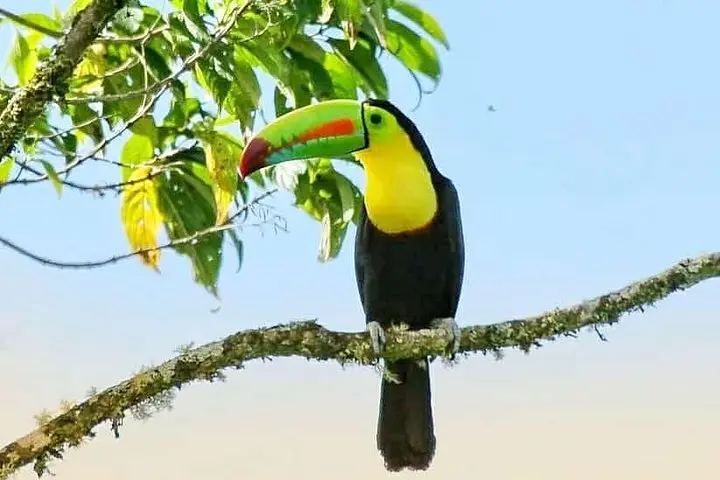
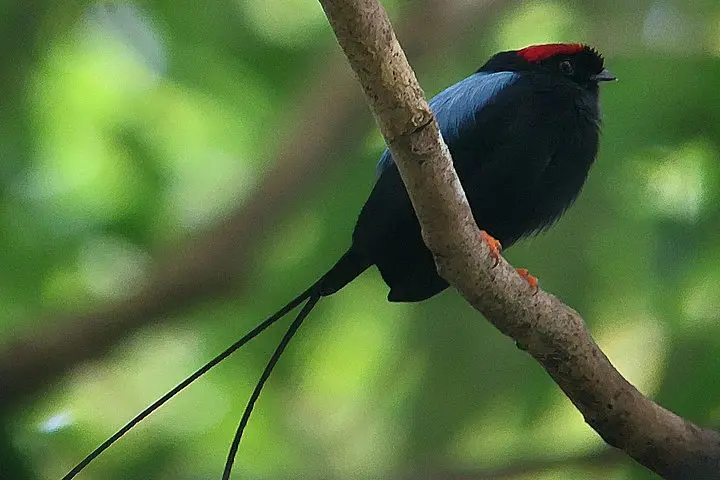
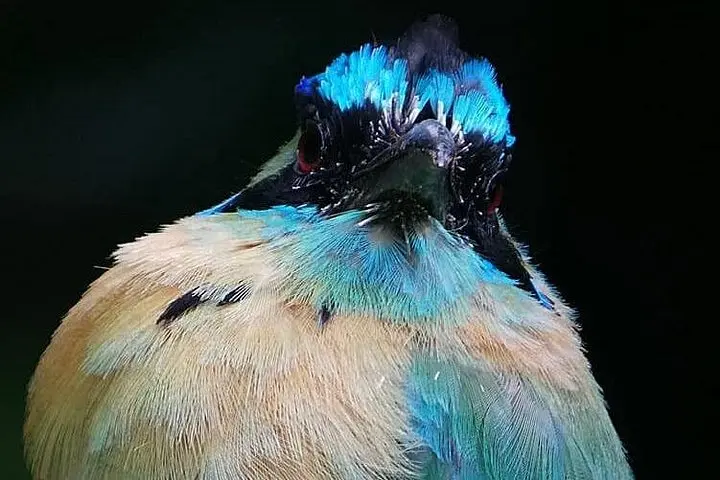
Walk mist-lined trails in Monteverde's Curicancha Preserve with a local naturalist and high-definition optics. In 2–3 hours you can expect quetzals, toucans, and a dizzying variety of hummingbirds amid orchids and strangler figs.
Walk mist-lined trails in Monteverde's Curicancha Preserve with a local naturalist and high-definition optics. In 2–3 hours you can expect quetzals, toucans, and a dizzying variety of hummingbirds amid orchids and strangler figs.
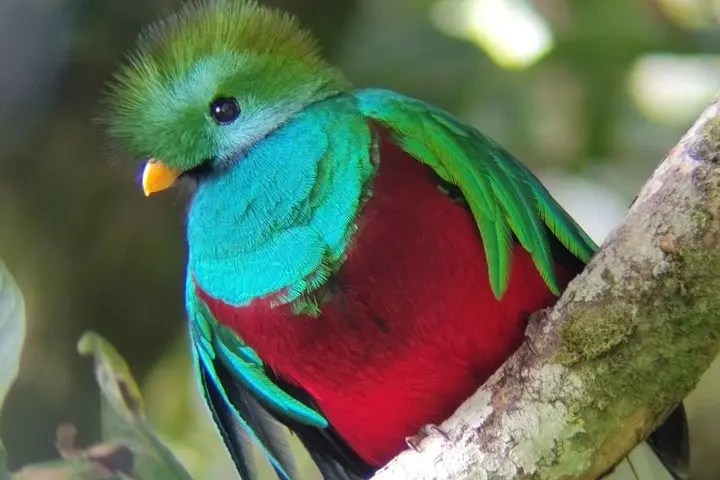
Dawn moves through Monteverde's cloud forest like a slowly opening door: mist clings to oak branches, and a chorus of wings stirs before the sun breaks. On the Curicancha Birdwatching Tour you walk carved trails where the forest reaches up and the understory pushes back, each bend a new chance to catch a flash of color — a hummingbird pausing mid-air, a quetzal’s green breast glinting between trunks.
Verified experiences and guided adventures in the surrounding area.
Operated by Johnny loves nature · Monteverde, Puntarenas Province
Dawn moves through Monteverde's cloud forest like a slowly opening door: mist clings to oak branches, and a chorus of wings stirs before the sun breaks. On the Curicancha Birdwatching Tour you walk carved trails where the forest reaches up and the understory pushes back, each bend a new chance to catch a flash of color — a hummingbird pausing mid-air, a quetzal’s green breast glinting between trunks.
The preserve sits on the Tilarán range, where volcanic uplift and persistent cloud cover created steep ridges, rich soils, and high humidity that nurture epiphytes and orchids. The area’s conservation history is recent but significant — local land trusts and reserve stewards protected these corridors to safeguard migratory routes and endemic species. Culturally, Monteverde combines Costa Rican rural traditions with a strong conservation and ecotourism ethos; guides are often naturalists trained in local avifauna and sustainable visitor practices.
Expect focused, slow-paced observation over 2–3 hours on maintained trails with modest elevation changes; the guide supplies high-definition optics to extend your view into the canopy. Physically prepare with good traction footwear, layered rain protection, and water — the forest likes to turn damp without warning. Bring ID for reserve access.
Practical tips: arrive early for peak bird activity, keep voices low, and let the guide set the pace to maximize sightings. Whether you’re aiming for the Resplendent Quetzal, a parade of toucans, or the smaller jewel-like hummingbirds, Curicancha delivers concentrated, accessible cloud-forest birding suited to both committed twitchers and curious hikers.
Guides commonly identify 30–40 species on a typical visit; experienced groups may record more depending on season and weather.
Yes — older children who can hike steadily on uneven ground and remain quiet tend to enjoy the experience; discuss ages and needs when booking.
High-definition spotting scopes are provided, but bringing personal binoculars can speed up individual viewing and reduce queueing at scopes.
You must carry a valid ID or passport for park access; printed or mobile tickets and any required booking information should also be available.
Johnny loves nature operates guided outdoor trips and adventures with an emphasis on safety, stewardship, and memorable experiences.
Dawn moves through Monteverde's cloud forest like a slowly opening door: mist clings to oak branches, and a chorus of wings stirs before the sun breaks. On the Curicancha Birdwatching Tour you walk carved trails where the forest reaches up and the understory pushes back, each bend a new chance to catch a flash of color — a hummingbird pausing mid-air, a quetzal’s green breast glinting between trunks.
Dawn moves through Monteverde's cloud forest like a slowly opening door: mist clings to oak branches, and a chorus of wings stirs before the sun breaks. On the Curicancha Birdwatching Tour you walk carved trails where the forest reaches up and the understory pushes back, each bend a new chance to catch a flash of color — a hummingbird pausing mid-air, a quetzal’s green breast glinting between trunks.
The preserve sits on the Tilarán range, where volcanic uplift and persistent cloud cover created steep ridges, rich soils, and high humidity that nurture epiphytes and orchids. The area’s conservation history is recent but significant — local land trusts and reserve stewards protected these corridors to safeguard migratory routes and endemic species. Culturally, Monteverde combines Costa Rican rural traditions with a strong conservation and ecotourism ethos; guides are often naturalists trained in local avifauna and sustainable visitor practices.
Expect focused, slow-paced observation over 2–3 hours on maintained trails with modest elevation changes; the guide supplies high-definition optics to extend your view into the canopy. Physically prepare with good traction footwear, layered rain protection, and water — the forest likes to turn damp without warning. Bring ID for reserve access.
Practical tips: arrive early for peak bird activity, keep voices low, and let the guide set the pace to maximize sightings. Whether you’re aiming for the Resplendent Quetzal, a parade of toucans, or the smaller jewel-like hummingbirds, Curicancha delivers concentrated, accessible cloud-forest birding suited to both committed twitchers and curious hikers.