THE ADVENTURE COLLECTIVE® · Independent discovery and booking for outdoor travel

Cross a quick ferry to a narrow sweep of moving dunes, twisted trees and amber-rich beaches, then return to Klaipėda’s Germanic old town for castles and sculptures. This private shore excursion pairs active coastal walks with compact cultural stops — ideal for cruise passengers with one day ashore.
Cross a quick ferry to a narrow sweep of moving dunes, twisted trees and amber-rich beaches, then return to Klaipėda’s Germanic old town for castles and sculptures. This private shore excursion pairs active coastal walks with compact cultural stops — ideal for cruise passengers with one day ashore.
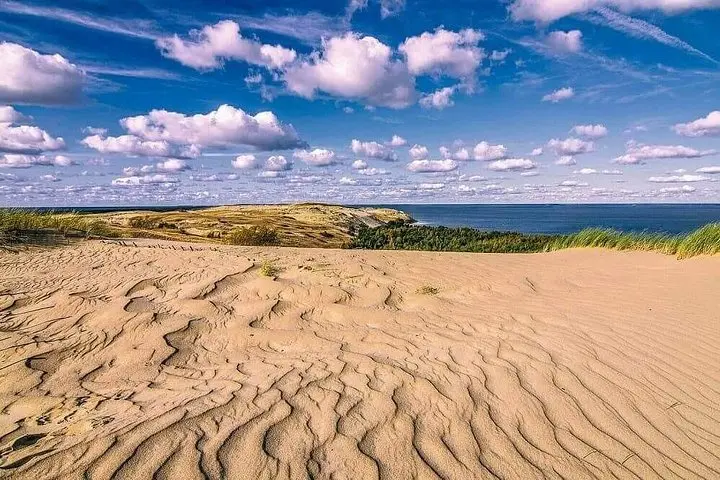
You step off the tender and the air changes — salt and pine, wind that has shaped these shores for centuries. Within an hour a ferry threads across glassy lagoon water and you are on the Curonian Spit: a narrow ridge of moving sand, wind-sculpted trees and high dunes that peel like pages along the Baltic.
Verified experiences and guided adventures in the surrounding area.
Operated by Uopera tours · Klaipėda, Klaipėda County
You step off the tender and the air changes — salt and pine, wind that has shaped these shores for centuries. Within an hour a ferry threads across glassy lagoon water and you are on the Curonian Spit: a narrow ridge of moving sand, wind-sculpted trees and high dunes that peel like pages along the Baltic.
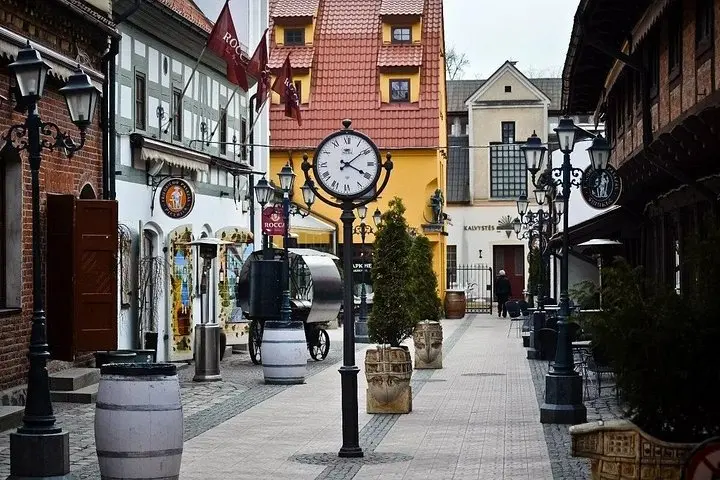
The spit runs about 98 km, its Lithuanian section famous for Parnidis Dune (roughly 52 m high) and the ‘‘dancing trees’’ twisted by decades of wind. Juodkrantė’s amber finds go back to the 19th century and Nida preserves wooden architecture and a small Thomas Mann museum where the writer spent summers. Back in Klaipėda, the old town’s German and Scandinavian fachwerk buildings and the Teutonic Knights’ castle site (first recorded in 1252) give the port city a distinctly northern European feel.
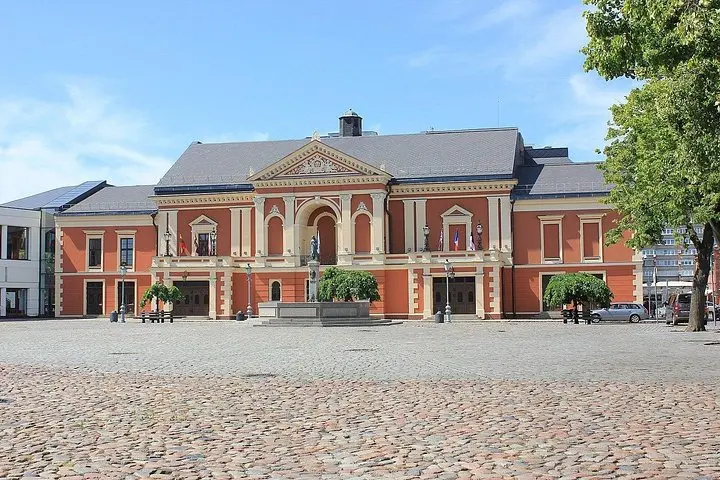
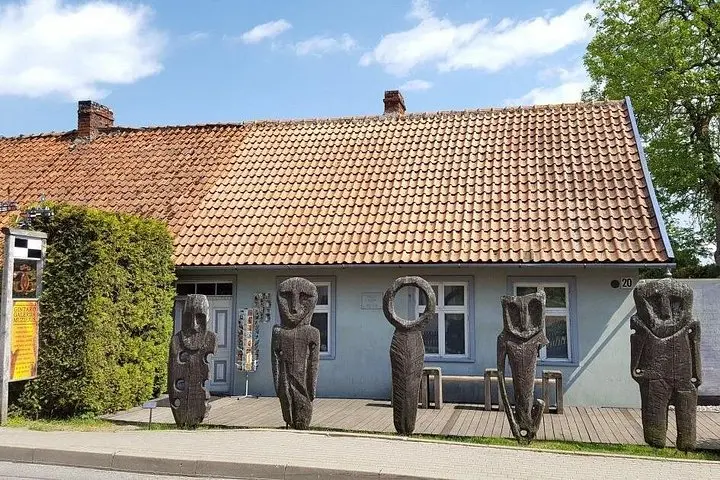
Expect half the day on the spit and half exploring Klaipėda’s theatre square, quirky sculptures and castle area. The tour typically includes roundtrip ferry, the Curonian Spit ecology fee and port pickup in an air-conditioned vehicle; some museum visits appear on the itinerary. Trails on the spit vary from compact boardwalks to soft sand climbs — bring sturdy shoes and layered windproof clothing. Binoculars will pay off at the cormorant and heron colony; keep to marked paths to protect fragile dune vegetation and nesting birds. Plan for changing weather, carry water and sunscreen, and have cruise or passport documents handy for shore logistics. This shore excursion balances outdoor movement with cultural stops, making it a practical option for active travellers who want both coastal scenery and historic town character.
The excursion runs about 8 hours and typically includes an English-speaking guide, roundtrip ferry to the Curonian Spit, the local ecology fee and port pickup/drop-off in an air-conditioned vehicle.
No — this itinerary visits the Lithuanian part of the Curonian Spit (Nida, Juodkrantė) and Klaipėda; there is no border crossing into the Kaliningrad Oblast on this trip.
Walking ranges from short boardwalk strolls to steeper sand climbs up to about 50 m; travellers with moderate mobility can join but should be able to handle uneven sand and short uphill sections.
The tour lists visits to the Thomas Mann Museum and the Amber Gallery; some museum admissions are noted in the itinerary but confirm at booking if you need guaranteed entry included.
Uopera tours operates guided outdoor trips and adventures with an emphasis on safety, stewardship, and memorable experiences.
You step off the tender and the air changes — salt and pine, wind that has shaped these shores for centuries. Within an hour a ferry threads across glassy lagoon water and you are on the Curonian Spit: a narrow ridge of moving sand, wind-sculpted trees and high dunes that peel like pages along the Baltic.
You step off the tender and the air changes — salt and pine, wind that has shaped these shores for centuries. Within an hour a ferry threads across glassy lagoon water and you are on the Curonian Spit: a narrow ridge of moving sand, wind-sculpted trees and high dunes that peel like pages along the Baltic.
The spit runs about 98 km, its Lithuanian section famous for Parnidis Dune (roughly 52 m high) and the ‘‘dancing trees’’ twisted by decades of wind. Juodkrantė’s amber finds go back to the 19th century and Nida preserves wooden architecture and a small Thomas Mann museum where the writer spent summers. Back in Klaipėda, the old town’s German and Scandinavian fachwerk buildings and the Teutonic Knights’ castle site (first recorded in 1252) give the port city a distinctly northern European feel.
Expect half the day on the spit and half exploring Klaipėda’s theatre square, quirky sculptures and castle area. The tour typically includes roundtrip ferry, the Curonian Spit ecology fee and port pickup in an air-conditioned vehicle; some museum visits appear on the itinerary. Trails on the spit vary from compact boardwalks to soft sand climbs — bring sturdy shoes and layered windproof clothing. Binoculars will pay off at the cormorant and heron colony; keep to marked paths to protect fragile dune vegetation and nesting birds. Plan for changing weather, carry water and sunscreen, and have cruise or passport documents handy for shore logistics. This shore excursion balances outdoor movement with cultural stops, making it a practical option for active travellers who want both coastal scenery and historic town character.