THE ADVENTURE COLLECTIVE® · Independent discovery and booking for outdoor travel

Ride the Klaipėda ferry across to the Curonian Spit for a six-hour highlights tour featuring golden dunes, the Hill of Witches wood sculptures, Juodkrantė amber history and Nida’s wooden houses. This guided shore excursion balances dramatic views with practical walking on sand and boardwalks.
Ride the Klaipėda ferry across to the Curonian Spit for a six-hour highlights tour featuring golden dunes, the Hill of Witches wood sculptures, Juodkrantė amber history and Nida’s wooden houses. This guided shore excursion balances dramatic views with practical walking on sand and boardwalks.
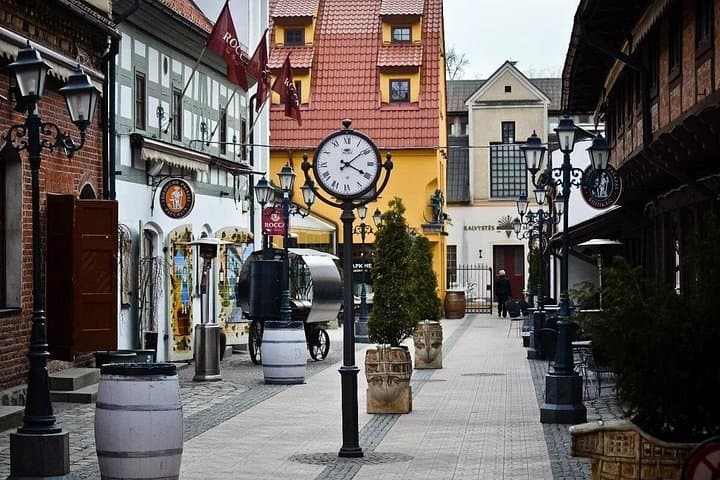
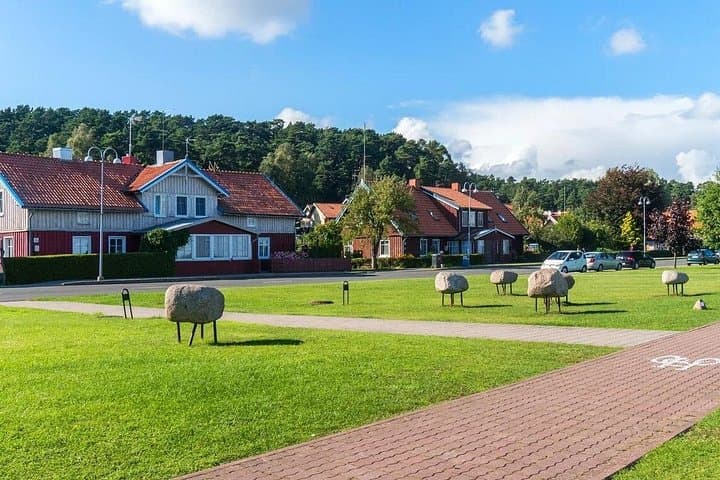
You step off the Klaipėda ferry and feel the wind rearrange your hair—the Spit is an edge land where Baltic surf and lagoon meet, and the landscape changes under your feet. Low pines lean inland like sailors resisting a storm; dunes rise in bands of gold and grey. The tour threads Juodkrantė’s amber-strewn shore, the Hill of Witches’ carved figures in a shadowed grove, and the broad panorama from Parnidis Dune where a simple sun clock marks wandering sand.
Verified experiences and guided adventures in the surrounding area.
Operated by Uopera tours · Klaipėda, Klaipėda County
You step off the Klaipėda ferry and feel the wind rearrange your hair—the Spit is an edge land where Baltic surf and lagoon meet, and the landscape changes under your feet. Low pines lean inland like sailors resisting a storm; dunes rise in bands of gold and grey. The tour threads Juodkrantė’s amber-strewn shore, the Hill of Witches’ carved figures in a shadowed grove, and the broad panorama from Parnidis Dune where a simple sun clock marks wandering sand.
Geologically the Curonian Spit is a 98 km sandy ridge split between Lithuania and Kaliningrad, formed by longshore drift and driven by fierce Baltic winds that still move dunes and twist tree trunks into the region’s famous "dancing trees." Culturally, this narrow land has been a fisherfolk landscape, an amber source since the 19th century, and a summer refuge for artists like Thomas Mann—his summer house in Nida is now a small museum.
Practically, the shared excursion runs about six hours: roundtrip ferry, coach transfers and guided stops. Expect beach sand, boardwalks and short paved strolls through villages; wear sturdy shoes that handle sand and damp wooden steps. Lunch in Nida is not included—carry cash or a card—and allow time to climb Parnidis for the views. There’s an ecology fee included in your booking; it helps protect the fragile dunes, so stick to marked paths and follow your guide. Timing matters: wind and ferry schedules shape the day, but you’ll leave with a clear sense of how sea and sand keep reshaping this narrow, living landscape.
No, lunch in Nida is not included; the itinerary allows time for a meal but you should budget for a café or bring snacks.
Expect short walks up dunes, boardwalks and through village streets; some stops have stairs and soft sand, so it’s not fully wheelchair accessible.
The Curonian Spit ecology fee and roundtrip ferry are included in the listed inclusions; some optional museum admissions, like the Thomas Mann Museum, may require separate payment.
Tours generally continue in light rain but strong wind or ferry cancellations depend on operator decisions; check departure specifics and pack rain protection.
Uopera tours operates guided outdoor trips and adventures with an emphasis on safety, stewardship, and memorable experiences.


You step off the Klaipėda ferry and feel the wind rearrange your hair—the Spit is an edge land where Baltic surf and lagoon meet, and the landscape changes under your feet. Low pines lean inland like sailors resisting a storm; dunes rise in bands of gold and grey. The tour threads Juodkrantė’s amber-strewn shore, the Hill of Witches’ carved figures in a shadowed grove, and the broad panorama from Parnidis Dune where a simple sun clock marks wandering sand.
You step off the Klaipėda ferry and feel the wind rearrange your hair—the Spit is an edge land where Baltic surf and lagoon meet, and the landscape changes under your feet. Low pines lean inland like sailors resisting a storm; dunes rise in bands of gold and grey. The tour threads Juodkrantė’s amber-strewn shore, the Hill of Witches’ carved figures in a shadowed grove, and the broad panorama from Parnidis Dune where a simple sun clock marks wandering sand.
Geologically the Curonian Spit is a 98 km sandy ridge split between Lithuania and Kaliningrad, formed by longshore drift and driven by fierce Baltic winds that still move dunes and twist tree trunks into the region’s famous "dancing trees." Culturally, this narrow land has been a fisherfolk landscape, an amber source since the 19th century, and a summer refuge for artists like Thomas Mann—his summer house in Nida is now a small museum.
Practically, the shared excursion runs about six hours: roundtrip ferry, coach transfers and guided stops. Expect beach sand, boardwalks and short paved strolls through villages; wear sturdy shoes that handle sand and damp wooden steps. Lunch in Nida is not included—carry cash or a card—and allow time to climb Parnidis for the views. There’s an ecology fee included in your booking; it helps protect the fragile dunes, so stick to marked paths and follow your guide. Timing matters: wind and ferry schedules shape the day, but you’ll leave with a clear sense of how sea and sand keep reshaping this narrow, living landscape.