THE ADVENTURE COLLECTIVE® · Independent discovery and booking for outdoor travel

Board a ferry from Klaipėda and spend a half day on the Curonian Spit: sand dunes, twisted pines, Juodkrantė’s amber history, Nida’s wooden houses, and the Hill of Witches. This concise shore excursion pairs geological wonder with cultural stops and practical sightseeing.
Board a ferry from Klaipėda and spend a half day on the Curonian Spit: sand dunes, twisted pines, Juodkrantė’s amber history, Nida’s wooden houses, and the Hill of Witches. This concise shore excursion pairs geological wonder with cultural stops and practical sightseeing.
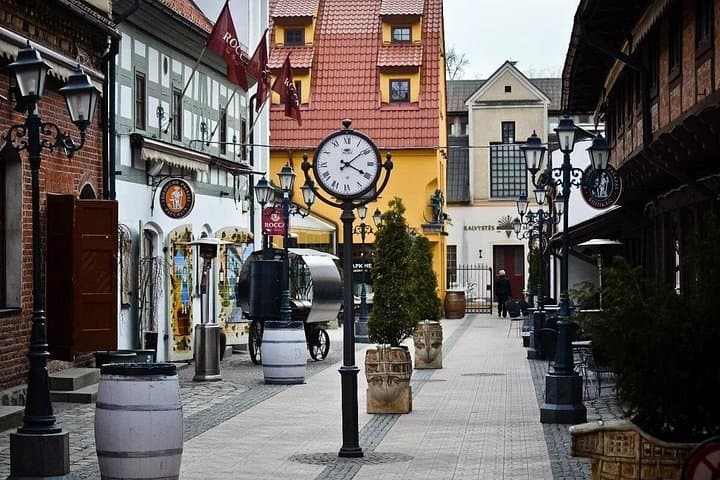
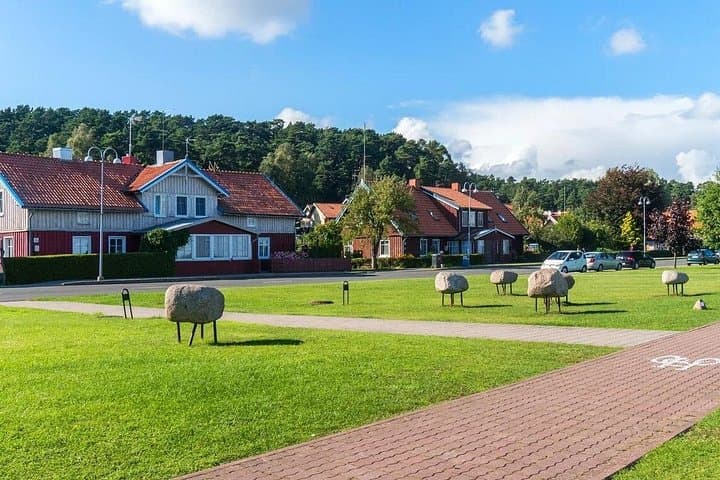
You step off the ferry and the wind has already begun to rearrange the world: sand grains hop like restless travelers and the pines lean as if listening to the sea. The Curonian Spit unfolds as a narrow ribbon of dunes and forests between the Baltic and the calm Curonian Lagoon, each village a punctuation of timber houses and fishing heritage.
Verified experiences and guided adventures in the surrounding area.
Operated by Uopera tours · Klaipėda, Klaipėda County
You step off the ferry and the wind has already begun to rearrange the world: sand grains hop like restless travelers and the pines lean as if listening to the sea. The Curonian Spit unfolds as a narrow ribbon of dunes and forests between the Baltic and the calm Curonian Lagoon, each village a punctuation of timber houses and fishing heritage.
This 6‑hour shore excursion threads history and geology together. The spit is a migrating sand formation shaped by Baltic storms; its great dunes once swallowed villages and now mark shifting lines between sea and lagoon. Juodkrantė grew rich on amber after 19th‑century dredging, while Nida attracted artists and writers — Thomas Mann summered here — creating a small cultural patchwork along the shore.
Expect wind‑sculpted trees, carved wooden folklore figures at the Hill of Witches, and the Parnidis Dune’s sun clock with views over water that feels like two different worlds. A respectful detour to a cormorant and heron colony offers quiet wildlife observation.
Practical side: the tour runs by ferry and coach with an English guide and includes an ecology fee to support the protected spit. Pack windproof layers, sturdy shoes, and cash or card for an independent lunch in Nida. Photography windows are brief — plan to move briskly between viewpoints. Time your visit for lower wind if you prefer a gentler walk; mornings and late afternoons soften the light for dune vistas.
This excursion is a compact, varied introduction to one of Europe’s rare coastal landscapes — vivid, educational, and easy to experience from Klaipėda in a single half‑day outing.
No — lunch in Nida is not included; you’ll have time to buy food at local cafes or bring a packed meal.
Yes — roundtrip ferry transportation to the Curonian Spit is included in the excursion.
The excursion involves walking on sand, dunes and uneven forest paths; it may be difficult for visitors with significant mobility limitations.
An ecology fee for the Curonian Spit is included in the tour inclusions to support site conservation.
Uopera tours operates guided outdoor trips and adventures with an emphasis on safety, stewardship, and memorable experiences.


You step off the ferry and the wind has already begun to rearrange the world: sand grains hop like restless travelers and the pines lean as if listening to the sea. The Curonian Spit unfolds as a narrow ribbon of dunes and forests between the Baltic and the calm Curonian Lagoon, each village a punctuation of timber houses and fishing heritage.
You step off the ferry and the wind has already begun to rearrange the world: sand grains hop like restless travelers and the pines lean as if listening to the sea. The Curonian Spit unfolds as a narrow ribbon of dunes and forests between the Baltic and the calm Curonian Lagoon, each village a punctuation of timber houses and fishing heritage.
This 6‑hour shore excursion threads history and geology together. The spit is a migrating sand formation shaped by Baltic storms; its great dunes once swallowed villages and now mark shifting lines between sea and lagoon. Juodkrantė grew rich on amber after 19th‑century dredging, while Nida attracted artists and writers — Thomas Mann summered here — creating a small cultural patchwork along the shore.
Expect wind‑sculpted trees, carved wooden folklore figures at the Hill of Witches, and the Parnidis Dune’s sun clock with views over water that feels like two different worlds. A respectful detour to a cormorant and heron colony offers quiet wildlife observation.
Practical side: the tour runs by ferry and coach with an English guide and includes an ecology fee to support the protected spit. Pack windproof layers, sturdy shoes, and cash or card for an independent lunch in Nida. Photography windows are brief — plan to move briskly between viewpoints. Time your visit for lower wind if you prefer a gentler walk; mornings and late afternoons soften the light for dune vistas.
This excursion is a compact, varied introduction to one of Europe’s rare coastal landscapes — vivid, educational, and easy to experience from Klaipėda in a single half‑day outing.