THE ADVENTURE COLLECTIVE® · Independent discovery and booking for outdoor travel

Experience wild lorikeet feedings, behind‑the‑scenes wildlife hospital views, and eucalyptus‑shaded walks at Currumbin Wildlife Sanctuary. Practical tips on timing, accessibility, and what to expect inside this Gold Coast conservation hub.
Experience wild lorikeet feedings, behind‑the‑scenes wildlife hospital views, and eucalyptus‑shaded walks at Currumbin Wildlife Sanctuary. Practical tips on timing, accessibility, and what to expect inside this Gold Coast conservation hub.
Dawn filters through tall eucalyptus as lorikeets sweep in—an electric ribbon of color that dares you to raise a hand and meet them. At Currumbin Wildlife Sanctuary the forest breathes around picnic lawns, boardwalks, and the low hum of a miniature train; the place feels alive, purposeful, and public in equal measure.
Verified experiences and guided adventures in the surrounding area.
Operated by Currumbin Wildlife Sanctuary · Currumbin, Queensland
Dawn filters through tall eucalyptus as lorikeets sweep in—an electric ribbon of color that dares you to raise a hand and meet them. At Currumbin Wildlife Sanctuary the forest breathes around picnic lawns, boardwalks, and the low hum of a miniature train; the place feels alive, purposeful, and public in equal measure.
Opened in the mid‑20th century, the sanctuary sits on 27 hectares of coastal forest on the southern Gold Coast. Geologically it perches on sandstone ridges and coastal flats shaped by ancient shorelines; culturally it has grown from a local wildlife showground into a nonprofit that channels ticket revenue into a busy wildlife hospital and conservation projects across eastern Australia.
Visitors move between focused exhibits—Lost Valley’s rock terraces, the Extinction Trail’s hard lessons, and the hands‑on spectacle of lorikeet feeding at 8am and 4pm. Rangers run shows and keeper talks; the hospital viewing platform offers a practical glimpse into rescue and rehab work rather than staged encounters.
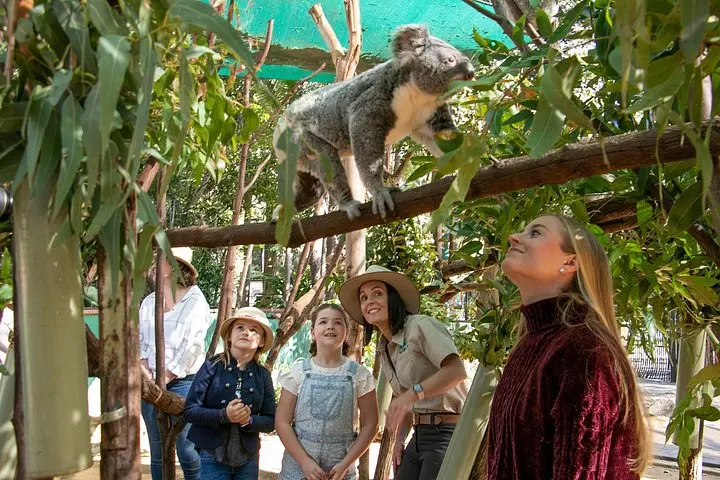
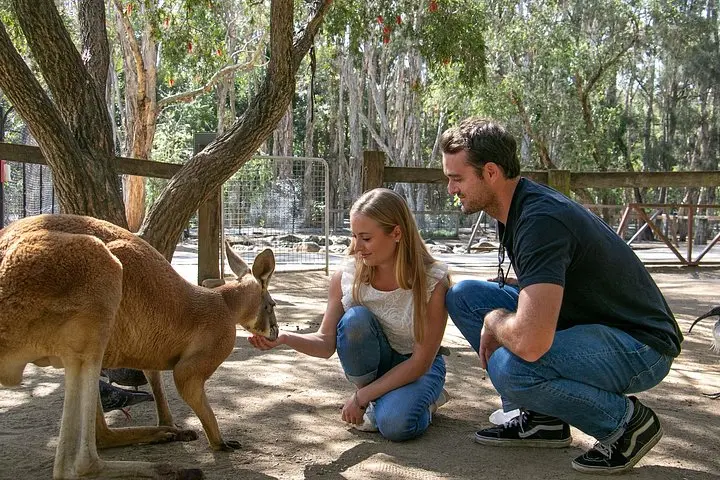
Practical guidance: arrive early for lorikeet feeding and cooler temperatures; download the sanctuary app to plan shows and hospital viewing windows. Paths are largely boardwalk and ramped, so mobility-friendly but bring a light rain layer in shoulder seasons—coastal showers can be sudden. Hydrate, wear sturdy walking shoes suitable for compacted earth and boardwalk, and leave wildlife‑feeding to staff except at supervised stations. Allow 2–4 hours for a focused visit or a half‑day to see multiple shows and the hospital. Whether you’re photographing a sleepy koala or listening to a ranger explain local recovery efforts, the sanctuary offers an achievable, instructive outdoor day on the Gold Coast.
No—general entry lets you see koalas from viewing areas, but hands‑on koala encounters are sold separately and may be restricted.
Yes—boardwalks and ramps provide broad access; some steep walks may require assistance and wheelchairs are available free with ID.
Yes—there is a viewing platform where visitors can observe vets and keepers in action during scheduled hospital hours.
No—only service animals are permitted to protect resident wildlife and biosecurity protocols.
Currumbin Wildlife Sanctuary operates guided outdoor trips and adventures with an emphasis on safety, stewardship, and memorable experiences.
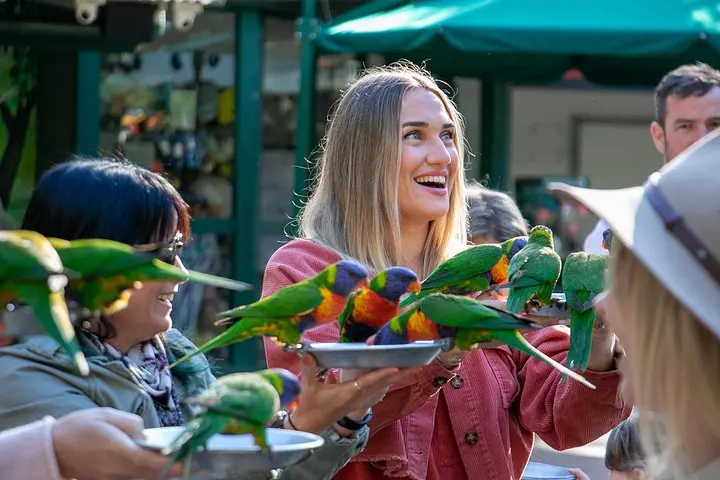
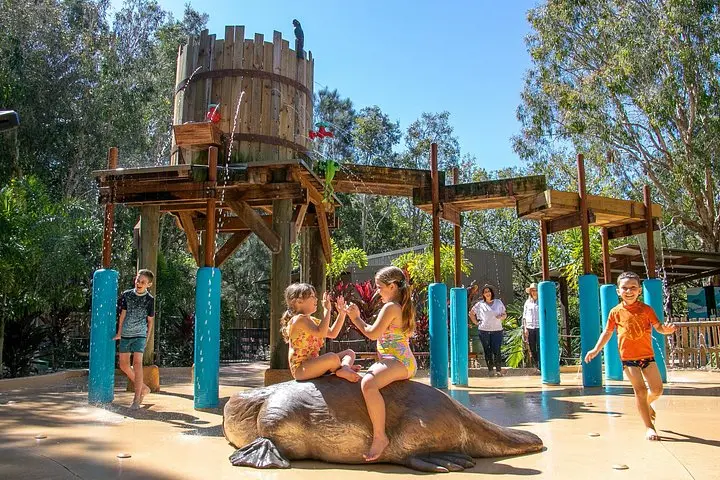
Dawn filters through tall eucalyptus as lorikeets sweep in—an electric ribbon of color that dares you to raise a hand and meet them. At Currumbin Wildlife Sanctuary the forest breathes around picnic lawns, boardwalks, and the low hum of a miniature train; the place feels alive, purposeful, and public in equal measure.
Dawn filters through tall eucalyptus as lorikeets sweep in—an electric ribbon of color that dares you to raise a hand and meet them. At Currumbin Wildlife Sanctuary the forest breathes around picnic lawns, boardwalks, and the low hum of a miniature train; the place feels alive, purposeful, and public in equal measure.
Opened in the mid‑20th century, the sanctuary sits on 27 hectares of coastal forest on the southern Gold Coast. Geologically it perches on sandstone ridges and coastal flats shaped by ancient shorelines; culturally it has grown from a local wildlife showground into a nonprofit that channels ticket revenue into a busy wildlife hospital and conservation projects across eastern Australia.
Visitors move between focused exhibits—Lost Valley’s rock terraces, the Extinction Trail’s hard lessons, and the hands‑on spectacle of lorikeet feeding at 8am and 4pm. Rangers run shows and keeper talks; the hospital viewing platform offers a practical glimpse into rescue and rehab work rather than staged encounters.
Practical guidance: arrive early for lorikeet feeding and cooler temperatures; download the sanctuary app to plan shows and hospital viewing windows. Paths are largely boardwalk and ramped, so mobility-friendly but bring a light rain layer in shoulder seasons—coastal showers can be sudden. Hydrate, wear sturdy walking shoes suitable for compacted earth and boardwalk, and leave wildlife‑feeding to staff except at supervised stations. Allow 2–4 hours for a focused visit or a half‑day to see multiple shows and the hospital. Whether you’re photographing a sleepy koala or listening to a ranger explain local recovery efforts, the sanctuary offers an achievable, instructive outdoor day on the Gold Coast.