THE ADVENTURE COLLECTIVE® · Independent discovery and booking for outdoor travel

Walk coastal dry forest where monkeys move through the canopy and iguanas bask on sunlit logs. This guided hike into Curu Wildlife Refuge combines wildlife viewing with accessible trails and local natural-history insight.
Walk coastal dry forest where monkeys move through the canopy and iguanas bask on sunlit logs. This guided hike into Curu Wildlife Refuge combines wildlife viewing with accessible trails and local natural-history insight.
Early light slips across low hills and the coastal forest breathes a humid, green scent — leaves glisten and a howler’s distant call cuts the air. On the Curu Wildlife Refuge guided hike, walkers thread narrow paths under deciduous trees and through pockets of shade where iguanas sun themselves on fallen logs and white-tailed deer step quietly between ferns.
Verified experiences and guided adventures in the surrounding area.
Operated by Pura Vida Expeditions · Tambor, Puntarenas
Early light slips across low hills and the coastal forest breathes a humid, green scent — leaves glisten and a howler’s distant call cuts the air. On the Curu Wildlife Refuge guided hike, walkers thread narrow paths under deciduous trees and through pockets of shade where iguanas sun themselves on fallen logs and white-tailed deer step quietly between ferns.
The refuge protects one of Costa Rica’s rare dry tropical forests, a landscape shaped by seasonal rains and long dry months. Established to conserve coastal forest and beach habitats, Curu sits on the Nicoya Peninsula’s southern edge and bears geological signs of uplifted marine terraces and sandy soils that feed nearby estuaries. Cultural ties here are pragmatic: local guides combine natural history with stories of fishing communities that have long used these coasts.
Expect close-up wildlife viewing — capuchin and howler monkeys are common, coatis and agoutis forage along trails, and shorebirds frequent the refuge’s quiet coves. Sightings are never guaranteed; the guide’s skill and quiet approach increase chances dramatically.
Practically, the hike runs about 3–4 hours over uneven, sometimes rooty trails with modest elevation change. Wear sturdy shoes, bring water, and pack sun and rain protection; mornings are typically best for active wildlife. The operator enforces limits to group size to reduce disturbance and supports local conservation through fees. For travelers based in Tambor or nearby coastal towns, the refuge is an accessible half-day window into Costa Rica’s unique dry-forest ecology — active, hands-on, and quietly rewarding for nature-minded adventurers.
The guided experience typically lasts about 3–4 hours on trails with modest elevation change.
Common sightings include white-faced and howler monkeys, coatis (pizote), agouti, iguanas and white-tailed deer, though sightings depend on time of day and season.
The tour is rated easy but involves uneven ground; children are welcome but infants must sit on laps and travelers with spinal or serious cardiovascular issues should avoid it.
Full refunds are available if you cancel at least 24 hours before departure; the operator may cancel for bad weather or low enrollment.
Pura Vida Expeditions operates guided outdoor trips and adventures with an emphasis on safety, stewardship, and memorable experiences.

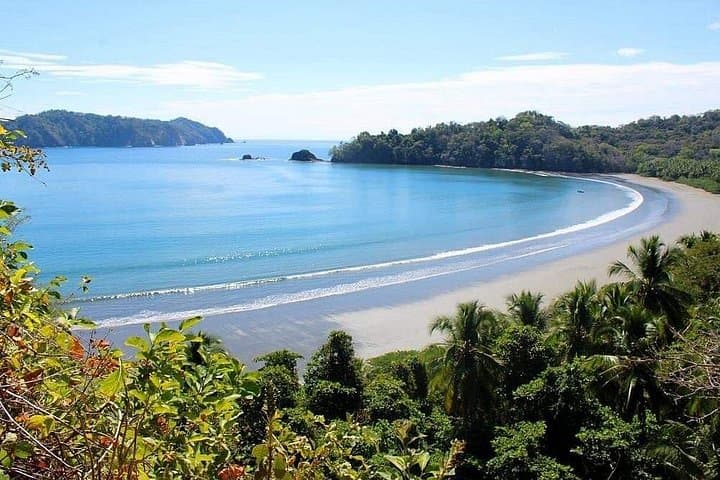


Early light slips across low hills and the coastal forest breathes a humid, green scent — leaves glisten and a howler’s distant call cuts the air. On the Curu Wildlife Refuge guided hike, walkers thread narrow paths under deciduous trees and through pockets of shade where iguanas sun themselves on fallen logs and white-tailed deer step quietly between ferns.
Early light slips across low hills and the coastal forest breathes a humid, green scent — leaves glisten and a howler’s distant call cuts the air. On the Curu Wildlife Refuge guided hike, walkers thread narrow paths under deciduous trees and through pockets of shade where iguanas sun themselves on fallen logs and white-tailed deer step quietly between ferns.
The refuge protects one of Costa Rica’s rare dry tropical forests, a landscape shaped by seasonal rains and long dry months. Established to conserve coastal forest and beach habitats, Curu sits on the Nicoya Peninsula’s southern edge and bears geological signs of uplifted marine terraces and sandy soils that feed nearby estuaries. Cultural ties here are pragmatic: local guides combine natural history with stories of fishing communities that have long used these coasts.
Expect close-up wildlife viewing — capuchin and howler monkeys are common, coatis and agoutis forage along trails, and shorebirds frequent the refuge’s quiet coves. Sightings are never guaranteed; the guide’s skill and quiet approach increase chances dramatically.
Practically, the hike runs about 3–4 hours over uneven, sometimes rooty trails with modest elevation change. Wear sturdy shoes, bring water, and pack sun and rain protection; mornings are typically best for active wildlife. The operator enforces limits to group size to reduce disturbance and supports local conservation through fees. For travelers based in Tambor or nearby coastal towns, the refuge is an accessible half-day window into Costa Rica’s unique dry-forest ecology — active, hands-on, and quietly rewarding for nature-minded adventurers.