THE ADVENTURE COLLECTIVE® · Independent discovery and booking for outdoor travel

Four compact days that pair Cusco's Inca and colonial highlights with a full-day Machu Picchu visit and the high-altitude trek to Vinicunca (Rainbow Mountain). Expect steep trails, high elevations, and cultural markets in the Sacred Valley.
Four compact days that pair Cusco's Inca and colonial highlights with a full-day Machu Picchu visit and the high-altitude trek to Vinicunca (Rainbow Mountain). Expect steep trails, high elevations, and cultural markets in the Sacred Valley.
You step out into a thin, cool air that pinches the lungs — Cusco at 3,400 m sits like an amphitheater of stone, streets climbing and spilling toward the highlands. Day one moves through colonial plazas and Inca masonry: Coricancha's sun-facing walls, then Sacsayhuamán's enormous carved blocks and the stepped aqueducts of Tambomachay, each site a chapter in the city’s layered story.
Verified experiences and guided adventures in the surrounding area.
Operated by LIBERTREK PERU TRAVEL · Cusco, Cusco Region
You step out into a thin, cool air that pinches the lungs — Cusco at 3,400 m sits like an amphitheater of stone, streets climbing and spilling toward the highlands. Day one moves through colonial plazas and Inca masonry: Coricancha's sun-facing walls, then Sacsayhuamán's enormous carved blocks and the stepped aqueducts of Tambomachay, each site a chapter in the city’s layered story.
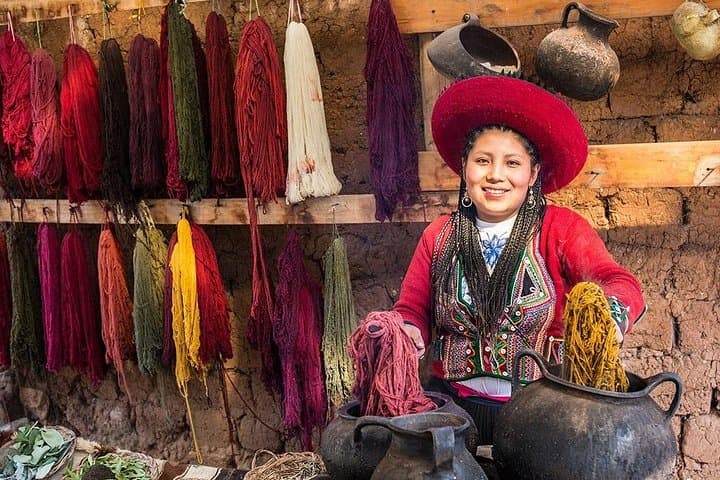
The next day the Sacred Valley opens: Pisac's high agricultural terraces and bustling market, Ollantaytambo's living Inca streets and fortress, and Chinchero, where textile craft continues century-old spinning techniques. Geology here shifts from volcanic tuff around Cusco to the river-sculpted valleys of Urubamba, the agricultural heart that fed the Inca state.
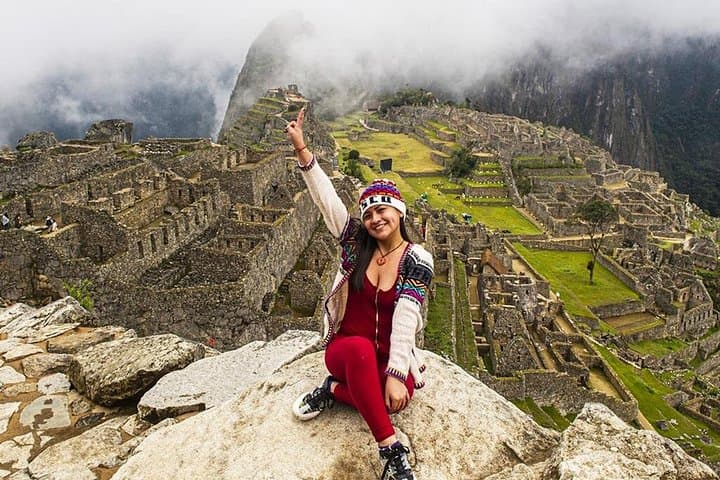
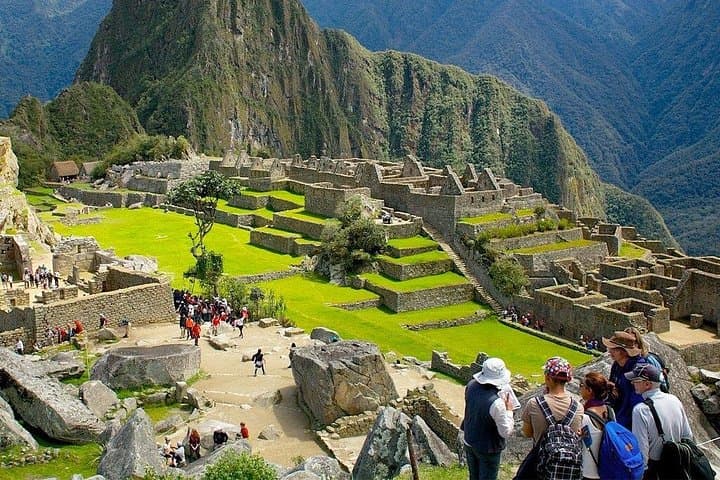
Day three is Machu Picchu: a 1.5–2 hour train from Ollantaytambo to Aguas Calientes and a 30-minute bus climb to the citadel at about 2,430 m. Expect roughly a 2-hour guided route through plazas, terraces and the Intihuatana area, with layered stonework that resists time and tremors.
The finale is Vinicunca, Rainbow Mountain (5,020 m). The hike involves 3–4 hours on high puna trails with 400–700 m of elevation gain depending on the trailhead; terrain alternates between rocky switchbacks and tussock grass, and llamas often watch from ridgelines.
Practical guide: allow 48 hours in Cusco before high climbs to acclimatize, bring layered breathable clothing, sunscreen and 2–3 liters of water for day hikes, and pace uphill to reduce altitude effects. Start early for best light, and carry cash for markets and tips.
Yes — Cusco and Rainbow Mountain are high; acclimatize for 24–48 hours, hydrate, eat light, and descend if symptoms worsen. Consider medication only after consulting a doctor.
The train from Ollantaytambo to Aguas Calientes takes about 1.5–2 hours depending on service and schedule.
This package includes entrance tickets for listed sites, round-trip train between Ollantaytambo and Aguas Calientes, and bus transfers to Machu Picchu entrance as described in the itinerary.
Expect 3–4 hours of walking on high trails with up to 400–700 m elevation gain; shortness of breath is common — take breaks and use poles if needed.
LIBERTREK PERU TRAVEL operates guided outdoor trips and adventures with an emphasis on safety, stewardship, and memorable experiences.

You step out into a thin, cool air that pinches the lungs — Cusco at 3,400 m sits like an amphitheater of stone, streets climbing and spilling toward the highlands. Day one moves through colonial plazas and Inca masonry: Coricancha's sun-facing walls, then Sacsayhuamán's enormous carved blocks and the stepped aqueducts of Tambomachay, each site a chapter in the city’s layered story.
You step out into a thin, cool air that pinches the lungs — Cusco at 3,400 m sits like an amphitheater of stone, streets climbing and spilling toward the highlands. Day one moves through colonial plazas and Inca masonry: Coricancha's sun-facing walls, then Sacsayhuamán's enormous carved blocks and the stepped aqueducts of Tambomachay, each site a chapter in the city’s layered story.
The next day the Sacred Valley opens: Pisac's high agricultural terraces and bustling market, Ollantaytambo's living Inca streets and fortress, and Chinchero, where textile craft continues century-old spinning techniques. Geology here shifts from volcanic tuff around Cusco to the river-sculpted valleys of Urubamba, the agricultural heart that fed the Inca state.
Day three is Machu Picchu: a 1.5–2 hour train from Ollantaytambo to Aguas Calientes and a 30-minute bus climb to the citadel at about 2,430 m. Expect roughly a 2-hour guided route through plazas, terraces and the Intihuatana area, with layered stonework that resists time and tremors.
The finale is Vinicunca, Rainbow Mountain (5,020 m). The hike involves 3–4 hours on high puna trails with 400–700 m of elevation gain depending on the trailhead; terrain alternates between rocky switchbacks and tussock grass, and llamas often watch from ridgelines.
Practical guide: allow 48 hours in Cusco before high climbs to acclimatize, bring layered breathable clothing, sunscreen and 2–3 liters of water for day hikes, and pace uphill to reduce altitude effects. Start early for best light, and carry cash for markets and tips.