THE ADVENTURE COLLECTIVE® · Independent discovery and booking for outdoor travel

Walk the Cusco circuit that pairs sweeping ramparts with engineered springs: Sacsayhuamán, Qenqo, Puca Pucara and Tambomachay. This practical half-day tour blends archaeology, Andean geology and local culture with accessible logistics.
Walk the Cusco circuit that pairs sweeping ramparts with engineered springs: Sacsayhuamán, Qenqo, Puca Pucara and Tambomachay. This practical half-day tour blends archaeology, Andean geology and local culture with accessible logistics.
The morning air in Cusco is thin and bright; stone streets climb toward terraces and jagged walls that seem to hold centuries of wind. On this half-day circuit you step from the colonial bustle of the city into highland ruins where carved rock and engineered water channels still argue with gravity.
Verified experiences and guided adventures in the surrounding area.
Operated by DONPeruTours · Cusco, Cusco
The morning air in Cusco is thin and bright; stone streets climb toward terraces and jagged walls that seem to hold centuries of wind. On this half-day circuit you step from the colonial bustle of the city into highland ruins where carved rock and engineered water channels still argue with gravity.
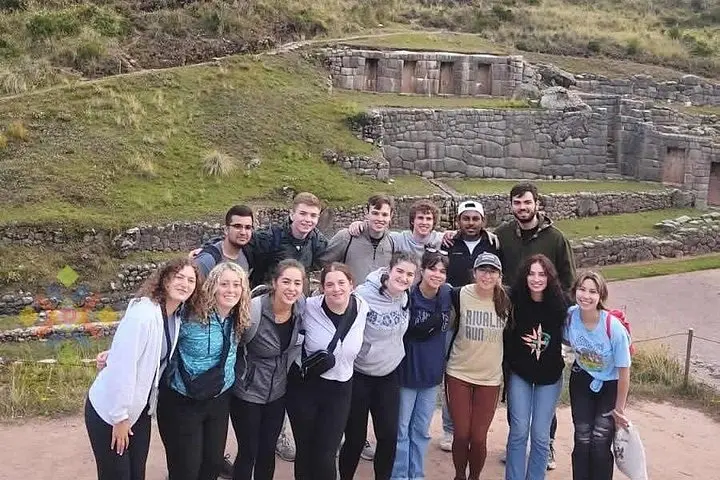
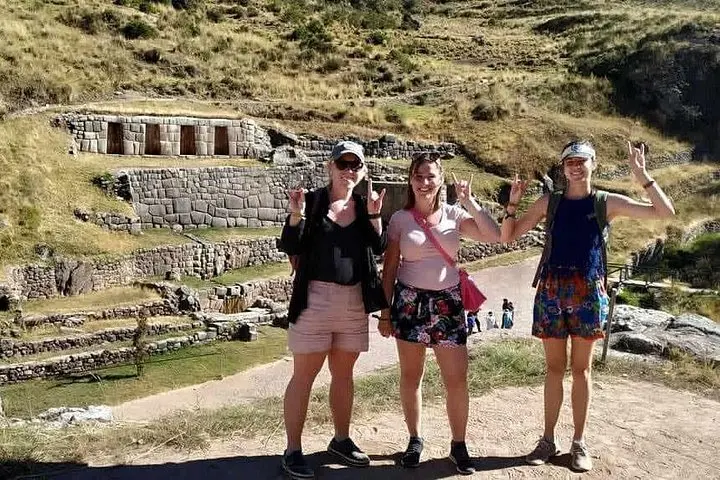
Sacsayhuamán’s massive zigzag ramparts play like a defensive poem above the valley—gigantic masonryborn from the Late Horizon Inca expansion—while Qenqo’s carved amphitheater and chamfered passageways speak to ritual and funerary practice. Puca Pucara, once a military-and-rest stop, watches the approach road; Tambomachay’s aqueducts and fountains reveal the Inca mastery of hydraulics and the cultural reverence for water.
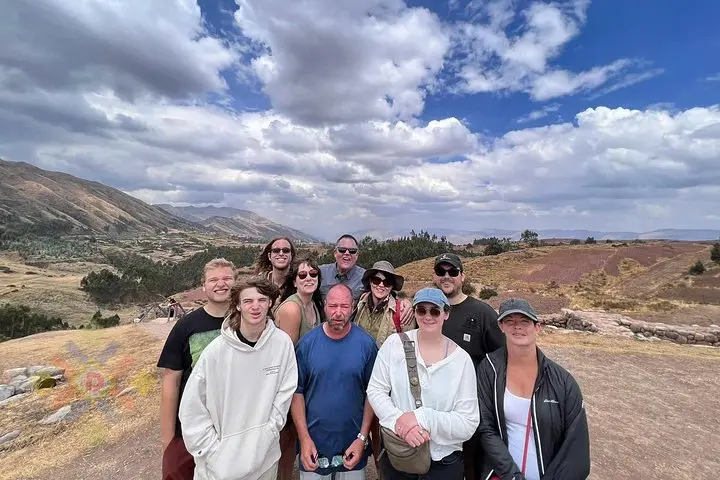
Geology here is immediate: folded Andean strata, river-cut valleys and compacted volcanic andesite that masons reshaped into precise joints. The walk between sites ranges from paved cobbles to packed dirt, with short climbs and sweeping viewpoints that place Cusco below you like a living map.
Expect moderate walking at 3,300–3,700 meters altitude, frequent sun and sudden wind. Guides typically narrate history and point out construction techniques, while bilingual options explain local Quechua traditions that persist in festivals and textiles.
Practically: bring layered clothing, sun protection, and water; allow extra time to acclimatize; and plan for hotel pickup or central drop-off. The circuit is ideal for travelers wanting a compact cultural-archaeological overview of Cusco with clear logistics and high visual payoff.
The shared circuit lasts about 4–5 hours and typically includes hotel pickup, a bilingual guide and transport between sites; some departures include a Qoricancha visit.
Admission is often not included in some listings—confirm when booking; individual tickets may be required at archaeological sites.
The tour is family-friendly but involves walking on uneven ground and stair sections; those with mobility or serious health issues should avoid it.
Acclimatize for a day or two, stay hydrated, avoid alcohol beforehand, and consider coca tea or acetazolamide if advised by a physician.
DONPeruTours operates guided outdoor trips and adventures with an emphasis on safety, stewardship, and memorable experiences.

The morning air in Cusco is thin and bright; stone streets climb toward terraces and jagged walls that seem to hold centuries of wind. On this half-day circuit you step from the colonial bustle of the city into highland ruins where carved rock and engineered water channels still argue with gravity.
The morning air in Cusco is thin and bright; stone streets climb toward terraces and jagged walls that seem to hold centuries of wind. On this half-day circuit you step from the colonial bustle of the city into highland ruins where carved rock and engineered water channels still argue with gravity.
Sacsayhuamán’s massive zigzag ramparts play like a defensive poem above the valley—gigantic masonryborn from the Late Horizon Inca expansion—while Qenqo’s carved amphitheater and chamfered passageways speak to ritual and funerary practice. Puca Pucara, once a military-and-rest stop, watches the approach road; Tambomachay’s aqueducts and fountains reveal the Inca mastery of hydraulics and the cultural reverence for water.
Geology here is immediate: folded Andean strata, river-cut valleys and compacted volcanic andesite that masons reshaped into precise joints. The walk between sites ranges from paved cobbles to packed dirt, with short climbs and sweeping viewpoints that place Cusco below you like a living map.
Expect moderate walking at 3,300–3,700 meters altitude, frequent sun and sudden wind. Guides typically narrate history and point out construction techniques, while bilingual options explain local Quechua traditions that persist in festivals and textiles.
Practically: bring layered clothing, sun protection, and water; allow extra time to acclimatize; and plan for hotel pickup or central drop-off. The circuit is ideal for travelers wanting a compact cultural-archaeological overview of Cusco with clear logistics and high visual payoff.