THE ADVENTURE COLLECTIVE® · Independent discovery and booking for outdoor travel

Walk Cusco’s historic core and nearby Inca sites in a full-day tour that pairs tight city streets with expansive hilltop ruins. Learn practical tips for altitude, what to bring, and what to expect at Qoricancha, Sacsayhuamán, Qenqo and Tambomachay.
Walk Cusco’s historic core and nearby Inca sites in a full-day tour that pairs tight city streets with expansive hilltop ruins. Learn practical tips for altitude, what to bring, and what to expect at Qoricancha, Sacsayhuamán, Qenqo and Tambomachay.
You step from the Plaza de Armas into a city that still moves with the cadence of the Andes—stone streets humming beneath your boots, the air thin and clear enough to make conversation work a little harder.
Verified experiences and guided adventures in the surrounding area.
Operated by camino peru · Cusco, Cusco
You step from the Plaza de Armas into a city that still moves with the cadence of the Andes—stone streets humming beneath your boots, the air thin and clear enough to make conversation work a little harder.
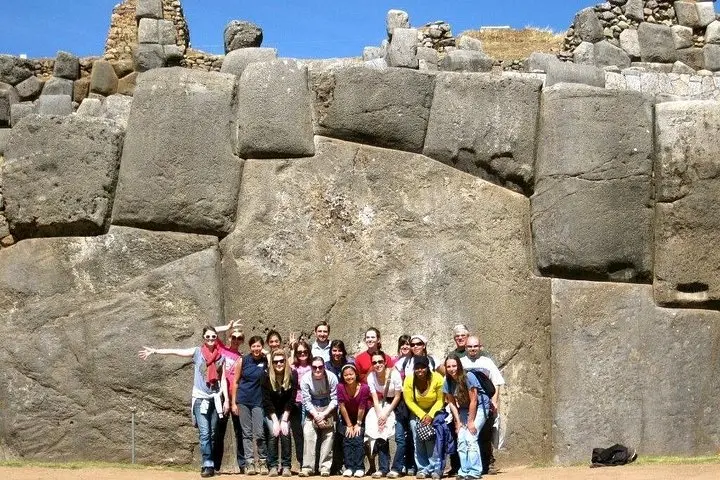
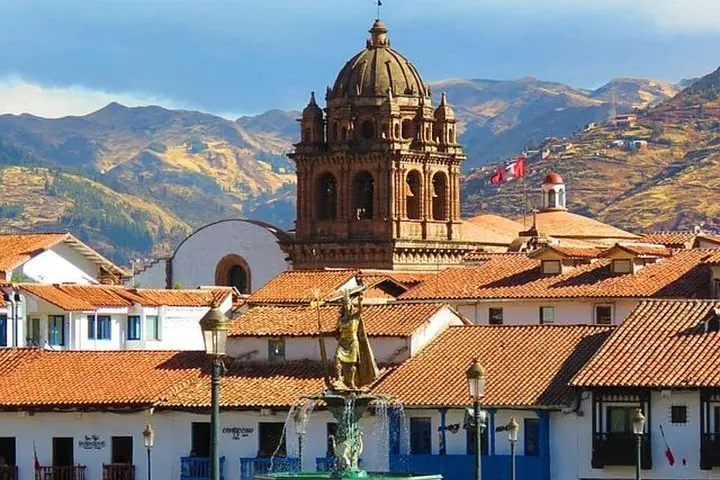
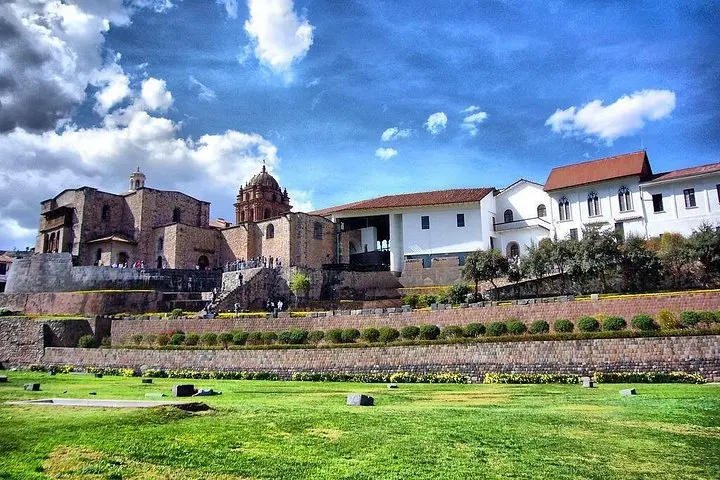
This six-hour Cusco City Tour threads the compact historic center with nearby Inca ceremonial sites: the gold-faced Qoricancha, the staggering polygonal stones of Sacsayhuamán, the carved monoliths at Qenqo and the water channels of Tambomachay. Geology here is visible history—limestone terraces and fitted andesite blocks hewn to resist seismic shock. Colonial churches sit atop Inca foundations; Spanish baroque facades lean into pre-Hispanic masonry, producing a layered cityscape that tells a story of conquest, adaptation and living tradition.
Local culture vibrates in markets, in the Quechua spoken by vendors and in rituals still practiced on mountaintops. Museums around the plaza collect textiles and ceramics that reveal daily life across centuries. The tour’s route keeps distances short but elevations change quickly—expect short drives between sites and mindful walking on uneven stone.
Practical guidance: start after breakfast to acclimatize, sip coca tea if you’re feeling altitude strain, and wear grippy shoes for cobbled streets and terraces. Bring sunscreen, a light waterproof, and a reusable water bottle—the sun is strong and weather can shift fast at 3,400 meters. Expect knowledgeable guides, shared transport and accessible pacing suitable for most fitness levels. By the end of the day you’ll have a clear sense of how empire and environment shaped this city—its stones still arguing with the sky.
Most archaeological sites visited on the tour require separate admission; check with your operator—some passes (Boleto Turístico) cover multiple sites and can be purchased in Cusco.
Yes—this itinerary is rated easy with short walks, but consider altitude effects for young children and older adults and move at a comfortable pace.
Yes—shared ground transportation is included to move between city points and nearby ruins, reducing walking distances.
Rest, hydrate, avoid alcohol before the tour, use coca leaves or tea if culturally appropriate, and inform the guide if you feel severe symptoms; mild acetazolamide use should be discussed with a doctor beforehand.
camino peru operates guided outdoor trips and adventures with an emphasis on safety, stewardship, and memorable experiences.
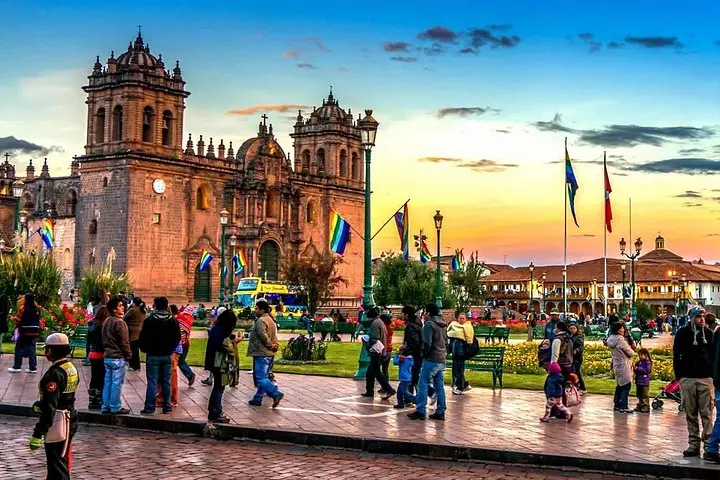
You step from the Plaza de Armas into a city that still moves with the cadence of the Andes—stone streets humming beneath your boots, the air thin and clear enough to make conversation work a little harder.
You step from the Plaza de Armas into a city that still moves with the cadence of the Andes—stone streets humming beneath your boots, the air thin and clear enough to make conversation work a little harder.
This six-hour Cusco City Tour threads the compact historic center with nearby Inca ceremonial sites: the gold-faced Qoricancha, the staggering polygonal stones of Sacsayhuamán, the carved monoliths at Qenqo and the water channels of Tambomachay. Geology here is visible history—limestone terraces and fitted andesite blocks hewn to resist seismic shock. Colonial churches sit atop Inca foundations; Spanish baroque facades lean into pre-Hispanic masonry, producing a layered cityscape that tells a story of conquest, adaptation and living tradition.
Local culture vibrates in markets, in the Quechua spoken by vendors and in rituals still practiced on mountaintops. Museums around the plaza collect textiles and ceramics that reveal daily life across centuries. The tour’s route keeps distances short but elevations change quickly—expect short drives between sites and mindful walking on uneven stone.
Practical guidance: start after breakfast to acclimatize, sip coca tea if you’re feeling altitude strain, and wear grippy shoes for cobbled streets and terraces. Bring sunscreen, a light waterproof, and a reusable water bottle—the sun is strong and weather can shift fast at 3,400 meters. Expect knowledgeable guides, shared transport and accessible pacing suitable for most fitness levels. By the end of the day you’ll have a clear sense of how empire and environment shaped this city—its stones still arguing with the sky.