THE ADVENTURE COLLECTIVE® · Independent discovery and booking for outdoor travel

A focused half-day introduction to Cusco’s most important Inca and colonial sites. Visit Qoricancha, Sacsayhuamán, Qenqo, Puka Pukara and Tambomachay with a local guide and hotel pickup.
A focused half-day introduction to Cusco’s most important Inca and colonial sites. Visit Qoricancha, Sacsayhuamán, Qenqo, Puka Pukara and Tambomachay with a local guide and hotel pickup.
You step from the van into a highland air that bites and clears the head — Cusco’s cobbled streets slope toward plazas framed by stonework older than many nations.
Verified experiences and guided adventures in the surrounding area.
Operated by Inkayni Peru Tours · Cusco, Cusco
You step from the van into a highland air that bites and clears the head — Cusco’s cobbled streets slope toward plazas framed by stonework older than many nations.
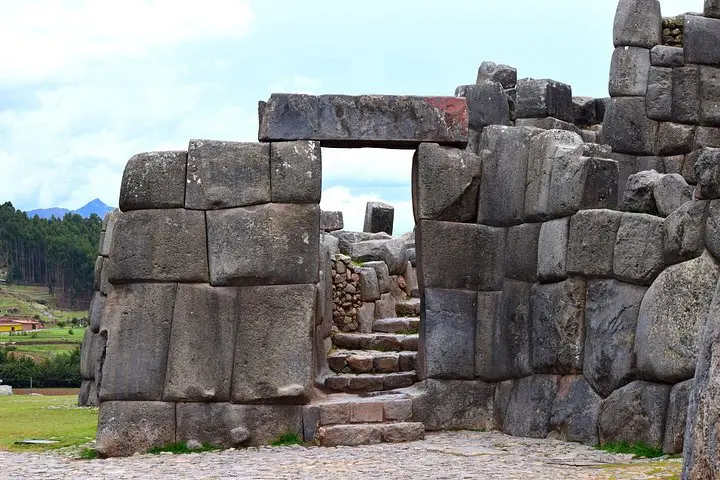
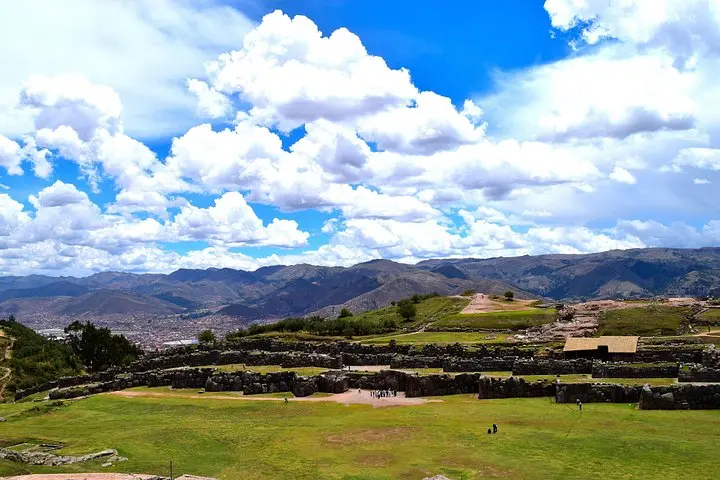
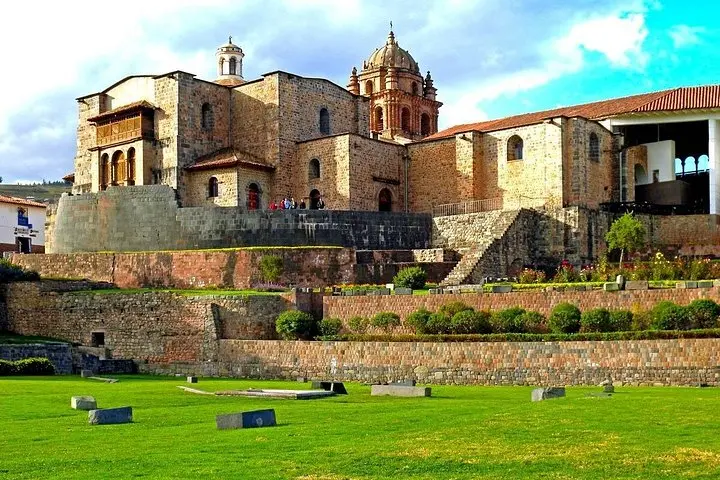
This half-day group tour threads the city’s core: Qoricancha’s polished stone where Inca precision meets Spanish church foundations; the vast, fortress-like terraces of Sacsayhuamán perched above the valley; the rock-cut amphitheater of Qenqo; the red-stone watchpost of Puka Pukara; and the hydraulic baths at Tambomachay. Together they map the collision and coexistence of Inca engineering and colonial overlay.
Geology here is immediate — dense andesite blocks quarried from nearby ridgelines, fitted so tightly mortar is unnecessary. Culturally, Cusco was the Inca empire’s capital, later refashioned by Spanish urban planners; the result is streets where plazas and chapel facades sit atop ancient foundations.
Expect guided stops of roughly 30–40 minutes at each ruin, with practical framing from a local guide: chronology, construction techniques, and ritual use. The tour moves at a steady pace across uneven cobbles and short stair sections; light walking ability is sufficient but the altitude (3,400 m) changes exertion.
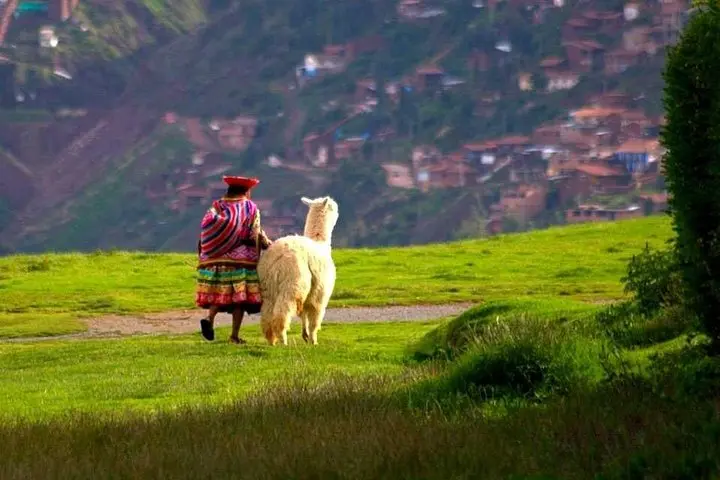
Bring a water bottle, sunscreen, and a wind layer. Morning light is best for photos and clearer skies; rainy season can muddy paths and reduce views. The tour includes hotel pickup and vehicle transport between sites, making it an efficient primer on Cusco’s archaeology and the living Quechua culture layered through the city.
This group tour normally includes transport and guiding; entrance fees to some archaeological sites may not be included—confirm at booking.
Cusco sits at about 3,400 m (11,200 ft); mild altitude symptoms (headache, breathlessness) are common—allow acclimatization time and hydrate.
Yes—hotel pickup and return within Cusco is included; if you decline pickup you can meet at a central point like Plaza Regocijo.
The tour is easy on fitness but involves uneven ground and stairs; it’s not recommended for travelers with serious spine, heart, or pregnancy concerns as noted by the operator.
Inkayni Peru Tours operates guided outdoor trips and adventures with an emphasis on safety, stewardship, and memorable experiences.
You step from the van into a highland air that bites and clears the head — Cusco’s cobbled streets slope toward plazas framed by stonework older than many nations.
You step from the van into a highland air that bites and clears the head — Cusco’s cobbled streets slope toward plazas framed by stonework older than many nations.
This half-day group tour threads the city’s core: Qoricancha’s polished stone where Inca precision meets Spanish church foundations; the vast, fortress-like terraces of Sacsayhuamán perched above the valley; the rock-cut amphitheater of Qenqo; the red-stone watchpost of Puka Pukara; and the hydraulic baths at Tambomachay. Together they map the collision and coexistence of Inca engineering and colonial overlay.
Geology here is immediate — dense andesite blocks quarried from nearby ridgelines, fitted so tightly mortar is unnecessary. Culturally, Cusco was the Inca empire’s capital, later refashioned by Spanish urban planners; the result is streets where plazas and chapel facades sit atop ancient foundations.
Expect guided stops of roughly 30–40 minutes at each ruin, with practical framing from a local guide: chronology, construction techniques, and ritual use. The tour moves at a steady pace across uneven cobbles and short stair sections; light walking ability is sufficient but the altitude (3,400 m) changes exertion.
Bring a water bottle, sunscreen, and a wind layer. Morning light is best for photos and clearer skies; rainy season can muddy paths and reduce views. The tour includes hotel pickup and vehicle transport between sites, making it an efficient primer on Cusco’s archaeology and the living Quechua culture layered through the city.