THE ADVENTURE COLLECTIVE® · Independent discovery and booking for outdoor travel

Walk from the Plaza de Armas to Koricancha and the stone ramparts of Saqsayhuamán on a focused five‑hour city tour. Learn Inca engineering, colonial overlays, and contemporary ritual life while keeping the itinerary manageable at high altitude.
Walk from the Plaza de Armas to Koricancha and the stone ramparts of Saqsayhuamán on a focused five‑hour city tour. Learn Inca engineering, colonial overlays, and contemporary ritual life while keeping the itinerary manageable at high altitude.
You step out onto the Plaza de Armas as the city wakes—cobblestones cool underfoot, and cathedral bells cut through the thin Andean air. The guide threads history into the morning: Koricancha’s polished stone once reflected the sun for Inca priests, while the terraces of Saqsayhuamán loom above the city like a dry-stacked wall daring you to trace the lines with your eyes.
Verified experiences and guided adventures in the surrounding area.
Operated by Dream Adventure Life · Cusco, Cusco
You step out onto the Plaza de Armas as the city wakes—cobblestones cool underfoot, and cathedral bells cut through the thin Andean air. The guide threads history into the morning: Koricancha’s polished stone once reflected the sun for Inca priests, while the terraces of Saqsayhuamán loom above the city like a dry-stacked wall daring you to trace the lines with your eyes.
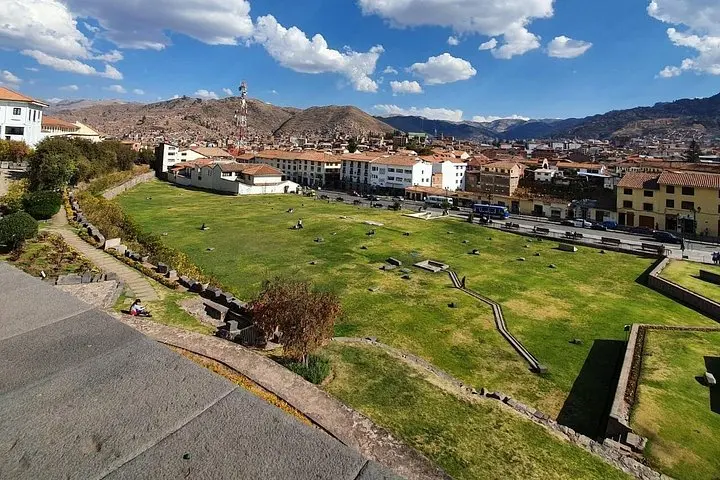
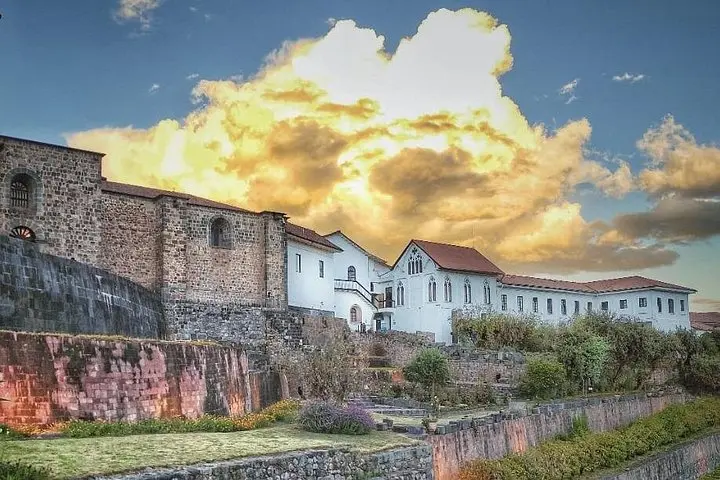
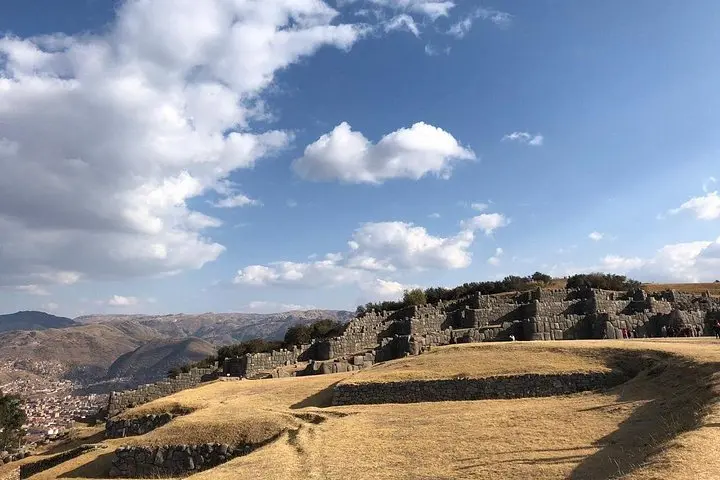
This half-day circuit moves from imperial spirituality to military vantage points. Koricancha (Temple of the Sun) showcases fine masonry and the layers of colonial intervention when Spanish churches were built atop Inca foundations. Saqsayhuamán’s massive stones and sloping ramparts reveal seismic-age engineering and a landscape shaped by uplift and erosion; nearby religious shrines tie contemporary Andean Catholicism to older earth-centered rites.
Expect short, paved walks through narrow streets, a steady climb to hilltop ruins, and multiple stops for explanations rather than lengthy hikes. Cultural context—Inca urban planning, colonial architecture, and local Aymara-Quechua traditions—dominates the narrative.
Practicalities: tours run about five hours, start at the main square, and include private transport and a professional guide; entry fees are typically excluded, so bring cash for admissions. Wear supportive walking shoes for uneven stone and layers for rapid temperature shifts. Hydrate at altitude and take it easy on the first day to avoid fatigue; the tour is labeled easy but cusco’s elevation (about 3,400 m) makes pacing essential.
This is a compact, informative introduction to Cusco—perfect for travelers who want a cultural primer before heading to the Sacred Valley or the Inca Trail.
No, most shared city tours exclude archaeological site admissions—bring local currency to purchase tickets on site.
Yes; the itinerary is easy paced with short walks, but consider altitude sensitivity and mobility on uneven surfaces.
Pick up is typically around the Plaza de Armas; tours often end back at the main square or on Avenida El Sol.
Private transport options are listed among inclusions—confirm at booking if you need different pickup points or a private tour.
Dream Adventure Life operates guided outdoor trips and adventures with an emphasis on safety, stewardship, and memorable experiences.
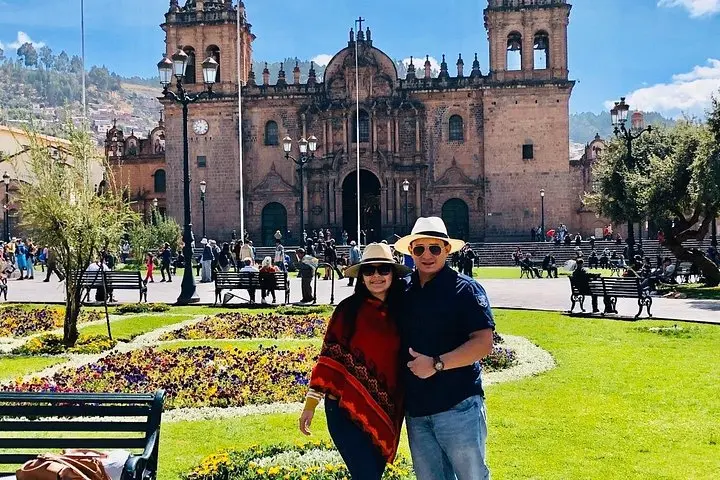
You step out onto the Plaza de Armas as the city wakes—cobblestones cool underfoot, and cathedral bells cut through the thin Andean air. The guide threads history into the morning: Koricancha’s polished stone once reflected the sun for Inca priests, while the terraces of Saqsayhuamán loom above the city like a dry-stacked wall daring you to trace the lines with your eyes.
You step out onto the Plaza de Armas as the city wakes—cobblestones cool underfoot, and cathedral bells cut through the thin Andean air. The guide threads history into the morning: Koricancha’s polished stone once reflected the sun for Inca priests, while the terraces of Saqsayhuamán loom above the city like a dry-stacked wall daring you to trace the lines with your eyes.
This half-day circuit moves from imperial spirituality to military vantage points. Koricancha (Temple of the Sun) showcases fine masonry and the layers of colonial intervention when Spanish churches were built atop Inca foundations. Saqsayhuamán’s massive stones and sloping ramparts reveal seismic-age engineering and a landscape shaped by uplift and erosion; nearby religious shrines tie contemporary Andean Catholicism to older earth-centered rites.
Expect short, paved walks through narrow streets, a steady climb to hilltop ruins, and multiple stops for explanations rather than lengthy hikes. Cultural context—Inca urban planning, colonial architecture, and local Aymara-Quechua traditions—dominates the narrative.
Practicalities: tours run about five hours, start at the main square, and include private transport and a professional guide; entry fees are typically excluded, so bring cash for admissions. Wear supportive walking shoes for uneven stone and layers for rapid temperature shifts. Hydrate at altitude and take it easy on the first day to avoid fatigue; the tour is labeled easy but cusco’s elevation (about 3,400 m) makes pacing essential.
This is a compact, informative introduction to Cusco—perfect for travelers who want a cultural primer before heading to the Sacred Valley or the Inca Trail.