THE ADVENTURE COLLECTIVE® · Independent discovery and booking for outdoor travel

Explore the heart of the former Inca capital on a four-hour guided loop that links the Plaza de Armas, Koricancha and the hilltop stoneworks of Sacsayhuamán. Ideal as a first-day orientation in Cusco, the tour blends colonial architecture with Inca masonry and accessible short hikes.
Explore the heart of the former Inca capital on a four-hour guided loop that links the Plaza de Armas, Koricancha and the hilltop stoneworks of Sacsayhuamán. Ideal as a first-day orientation in Cusco, the tour blends colonial architecture with Inca masonry and accessible short hikes.
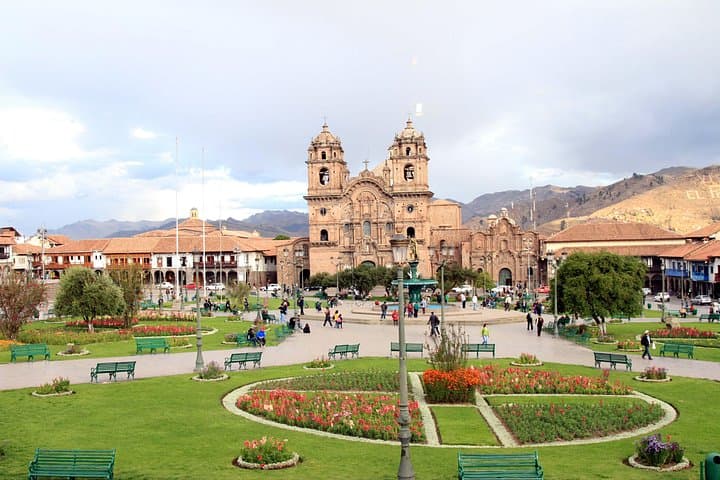
You step onto the Plaza de Armas and the air feels thin and bright—highland light slants across colonial balconies while granite blocks from another era anchor the hill above. The City Tour in Cusco moves at a deliberate, walkable pace: cathedral bells, carved Inca stones and the wind that keeps the city honest.
Verified experiences and guided adventures in the surrounding area.
Operated by Aventuras EcotrekPeru Tour Operador · Cusco, Cusco
You step onto the Plaza de Armas and the air feels thin and bright—highland light slants across colonial balconies while granite blocks from another era anchor the hill above. The City Tour in Cusco moves at a deliberate, walkable pace: cathedral bells, carved Inca stones and the wind that keeps the city honest.
Cusco was the political and spiritual center of the Inca Empire; Spanish colonizers overlaid churches and plazas on top of Inca foundations. Geologically the city sits in a high Andean bowl at roughly 3,400 m, with outcrops of hard igneous and metamorphic stone that Inca masons shaped into interlocking walls. Culture here is a continuous conversation between Quechua traditions and colonial Catholic rituals—visit Koricancha to feel that intersection, then climb to Sacsayhuamán to see the monumental stonework freed from urban density.
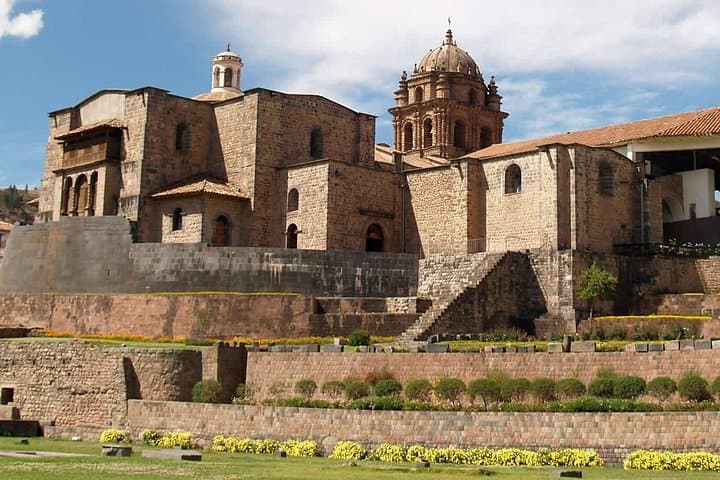
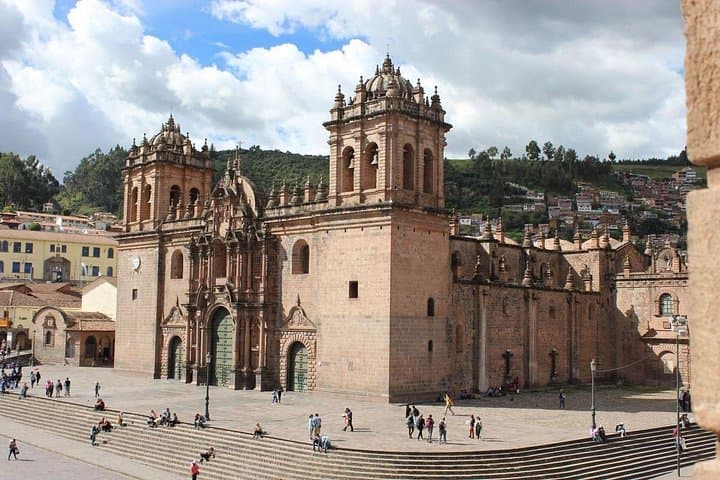
The route includes the Basilica Cathedral, Koricancha (Temple of the Sun), and four nearby archaeological sites—Sacsayhuamán, Qenqo, Puka Pukara and Tambomachay. Expect short uphill walks on uneven, often stepped stone; some sites sit above the city and offer sweeping views of rooftops and valley.
Practical guide: bring layered clothing for sun and wind, hydrate well before and during the tour to combat altitude, and wear supportive footwear for cobbles and stairs. The tour is family-friendly and lasts about four hours—allow extra time afterward for the market or a coffee in San Blas. Book a morning slot to avoid afternoon showers in the wet season and to see the light fall across the stones at its sharpest.
Yes—Cusco sits around 3,400 m. Allow a full day to acclimatize if you can, hydrate, avoid heavy meals and consider medication or gradual ascent if you have a history of altitude issues.
Some site admissions are included per itinerary (Sacsayhuamán, Qenqo, Puka Pukara, Tambomachay show included), but places like the Cathedral and Koricancha may require separate tickets—bring local currency for any extras.
The tour is family-friendly and marked as physically easy, but uneven surfaces and steps can be challenging; consider mobility and altitude tolerance for seniors and young children.
The meeting point is typically at a central location near the Plaza de Armas where staff wait with a company flag; check booking details for pickup arrangements or special instructions sent after booking.
Aventuras EcotrekPeru Tour Operador operates guided outdoor trips and adventures with an emphasis on safety, stewardship, and memorable experiences.

You step onto the Plaza de Armas and the air feels thin and bright—highland light slants across colonial balconies while granite blocks from another era anchor the hill above. The City Tour in Cusco moves at a deliberate, walkable pace: cathedral bells, carved Inca stones and the wind that keeps the city honest.
You step onto the Plaza de Armas and the air feels thin and bright—highland light slants across colonial balconies while granite blocks from another era anchor the hill above. The City Tour in Cusco moves at a deliberate, walkable pace: cathedral bells, carved Inca stones and the wind that keeps the city honest.
Cusco was the political and spiritual center of the Inca Empire; Spanish colonizers overlaid churches and plazas on top of Inca foundations. Geologically the city sits in a high Andean bowl at roughly 3,400 m, with outcrops of hard igneous and metamorphic stone that Inca masons shaped into interlocking walls. Culture here is a continuous conversation between Quechua traditions and colonial Catholic rituals—visit Koricancha to feel that intersection, then climb to Sacsayhuamán to see the monumental stonework freed from urban density.
The route includes the Basilica Cathedral, Koricancha (Temple of the Sun), and four nearby archaeological sites—Sacsayhuamán, Qenqo, Puka Pukara and Tambomachay. Expect short uphill walks on uneven, often stepped stone; some sites sit above the city and offer sweeping views of rooftops and valley.
Practical guide: bring layered clothing for sun and wind, hydrate well before and during the tour to combat altitude, and wear supportive footwear for cobbles and stairs. The tour is family-friendly and lasts about four hours—allow extra time afterward for the market or a coffee in San Blas. Book a morning slot to avoid afternoon showers in the wet season and to see the light fall across the stones at its sharpest.