THE ADVENTURE COLLECTIVE® · Independent discovery and booking for outdoor travel

See Cusco’s most important Inca sites in a focused afternoon outing. This 5-hour city tour hits Qorikancha, Sacsayhuamán, Qenqo, Puka Pukara and Tambomachay with transport and an English-speaking guide.
See Cusco’s most important Inca sites in a focused afternoon outing. This 5-hour city tour hits Qorikancha, Sacsayhuamán, Qenqo, Puka Pukara and Tambomachay with transport and an English-speaking guide.
The city opens like a staged scene as the guide meets you at the Plaza de Armas; colonial facades frame snow-dusted peaks beyond, and the air—thin at 3,400 meters—carries a sharp clarity that makes every stone look deliberate.
Verified experiences and guided adventures in the surrounding area.
Operated by Machupicchu Travelers · Cusco, Cusco
The city opens like a staged scene as the guide meets you at the Plaza de Armas; colonial facades frame snow-dusted peaks beyond, and the air—thin at 3,400 meters—carries a sharp clarity that makes every stone look deliberate.
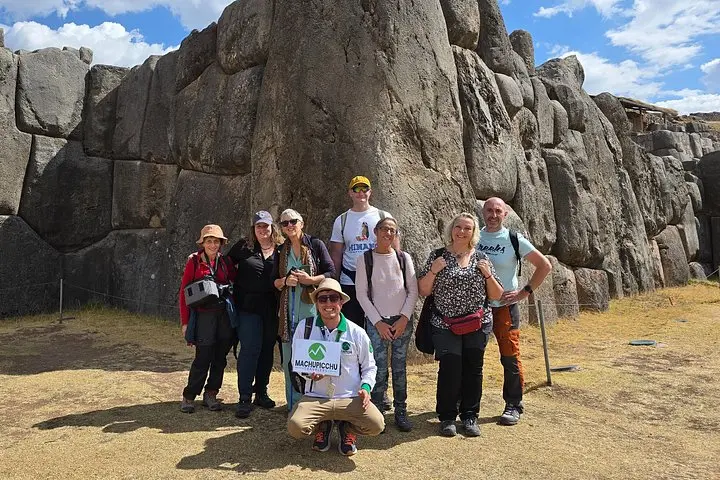
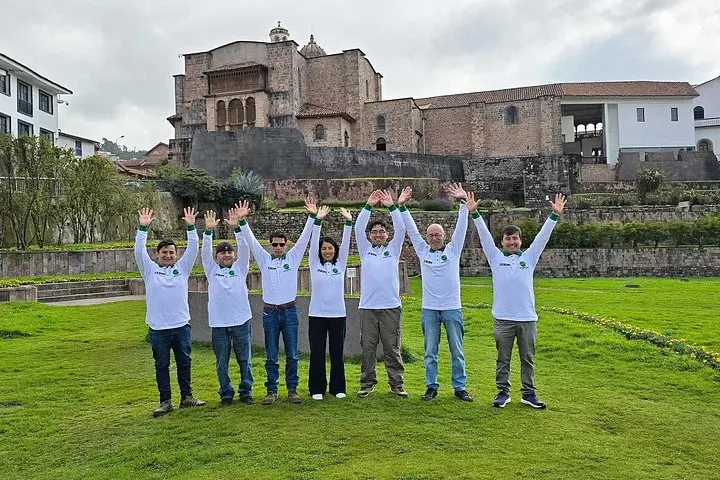
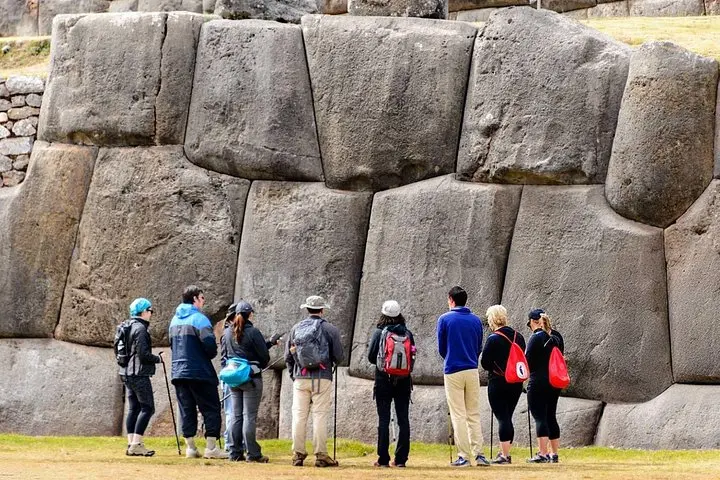
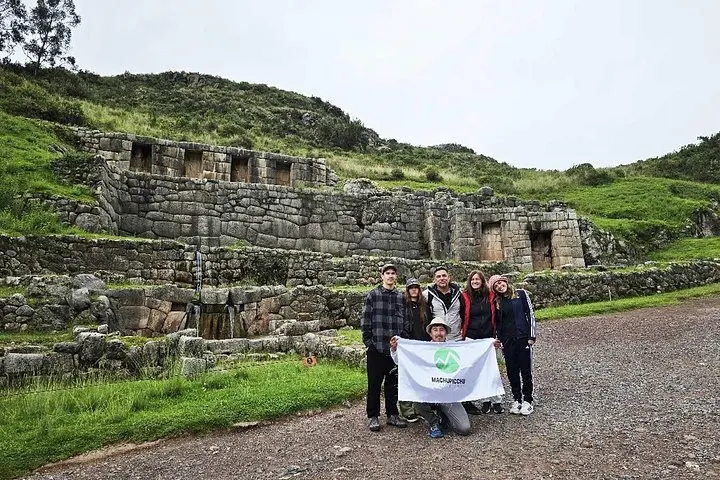
Over five hours the tour moves outward from Qorikancha, the Temple of the Sun, to the wide terraces and colossal walls of Sacsayhuamán, then to Qenqo’s carved altars, the lookout at Puka Pukara, and the water channels of Tambomachay. Each stop reveals a different facet of Inca engineering: precisely cut and fitted masonry at Sacsayhuamán, ritual rockwork at Qenqo, hydraulic design at Tambomachay and the later Spanish layers built into Qorikancha’s Dominican convent.
Geologically the region sits on folded Andean bedrock; the heavy stones were quarried and transported across valleys, then tightened into place so rain and frost rarely pry them loose. Culturally the circuit traces Cusco’s role as the Inca capital and its fast transformation after 16th-century conquest—the old heart repurposed into colonial structures that still command the square.
Practical notes: the tour includes shared transport and hotel pickup in the historic center; expect 5 hours with short walks and some uneven footing. Acclimatize to altitude beforehand, wear sturdy shoes for rocky terraces, bring sun protection and a warm layer—the Andes can swing from baking sun to brisk wind in minutes. Hydrate and move at a steady pace; the guide will manage entrances and logistics so you can focus on the stones, the views, and the history carved into them.
The tour runs about 5 hours and departs once daily at 1:00 PM from the meeting point at the Plaza de Armas; pickup from nearby hotels is available.
The tour is rated easy, but sites have uneven stone surfaces and steps; travelers with significant mobility limitations should contact the operator beforehand to confirm accessibility.
The tour operator manages site access and transport; any local museum fees or additional personal purchases may require cash—bring small bills in soles.
A professional English-speaking guide is included; transport is shared and group sizes are moderate—confirm details with the operator at booking.
Machupicchu Travelers operates guided outdoor trips and adventures with an emphasis on safety, stewardship, and memorable experiences.
The city opens like a staged scene as the guide meets you at the Plaza de Armas; colonial facades frame snow-dusted peaks beyond, and the air—thin at 3,400 meters—carries a sharp clarity that makes every stone look deliberate.
The city opens like a staged scene as the guide meets you at the Plaza de Armas; colonial facades frame snow-dusted peaks beyond, and the air—thin at 3,400 meters—carries a sharp clarity that makes every stone look deliberate.
Over five hours the tour moves outward from Qorikancha, the Temple of the Sun, to the wide terraces and colossal walls of Sacsayhuamán, then to Qenqo’s carved altars, the lookout at Puka Pukara, and the water channels of Tambomachay. Each stop reveals a different facet of Inca engineering: precisely cut and fitted masonry at Sacsayhuamán, ritual rockwork at Qenqo, hydraulic design at Tambomachay and the later Spanish layers built into Qorikancha’s Dominican convent.
Geologically the region sits on folded Andean bedrock; the heavy stones were quarried and transported across valleys, then tightened into place so rain and frost rarely pry them loose. Culturally the circuit traces Cusco’s role as the Inca capital and its fast transformation after 16th-century conquest—the old heart repurposed into colonial structures that still command the square.
Practical notes: the tour includes shared transport and hotel pickup in the historic center; expect 5 hours with short walks and some uneven footing. Acclimatize to altitude beforehand, wear sturdy shoes for rocky terraces, bring sun protection and a warm layer—the Andes can swing from baking sun to brisk wind in minutes. Hydrate and move at a steady pace; the guide will manage entrances and logistics so you can focus on the stones, the views, and the history carved into them.