THE ADVENTURE COLLECTIVE® · Independent discovery and booking for outdoor travel

Spend an afternoon exploring Cusco’s core Inca and colonial sites—Qoricancha, Sacsayhuamán, Tambomachay and more—on a guided tour that includes entrance fees and hotel pickup. Perfect for arriving travelers who want an orientation and gentle acclimatization to high altitude.
Spend an afternoon exploring Cusco’s core Inca and colonial sites—Qoricancha, Sacsayhuamán, Tambomachay and more—on a guided tour that includes entrance fees and hotel pickup. Perfect for arriving travelers who want an orientation and gentle acclimatization to high altitude.
You step off the van into the high-city air and the stones seem to hold their own temperature — cool where the sun hasn't reached, warm where it clings. Narrow colonial streets unfurl toward the Plaza de Armas while the ruins above the city watch like patient sentries. An afternoon city tour in Cusco moves at a steady pace: temples, fortresses, carved waterworks, and plazas each offering a different cut of Inca engineering and Spanish overlay.
Verified experiences and guided adventures in the surrounding area.
Operated by VIAJES POR PERU · Cusco, Cusco Region
You step off the van into the high-city air and the stones seem to hold their own temperature — cool where the sun hasn't reached, warm where it clings. Narrow colonial streets unfurl toward the Plaza de Armas while the ruins above the city watch like patient sentries. An afternoon city tour in Cusco moves at a steady pace: temples, fortresses, carved waterworks, and plazas each offering a different cut of Inca engineering and Spanish overlay.
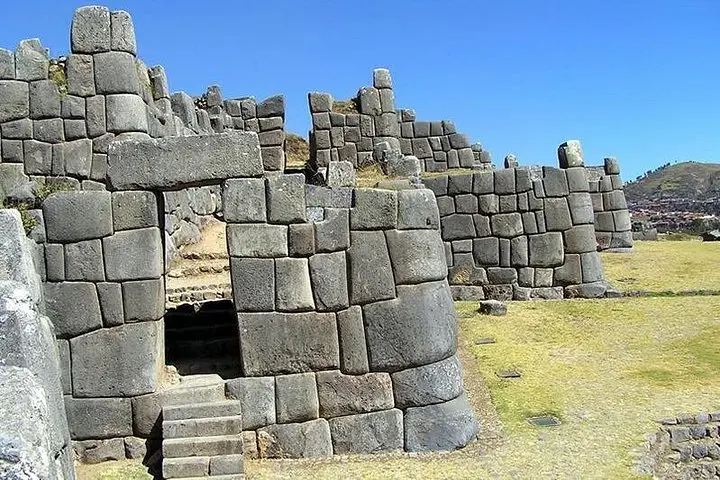
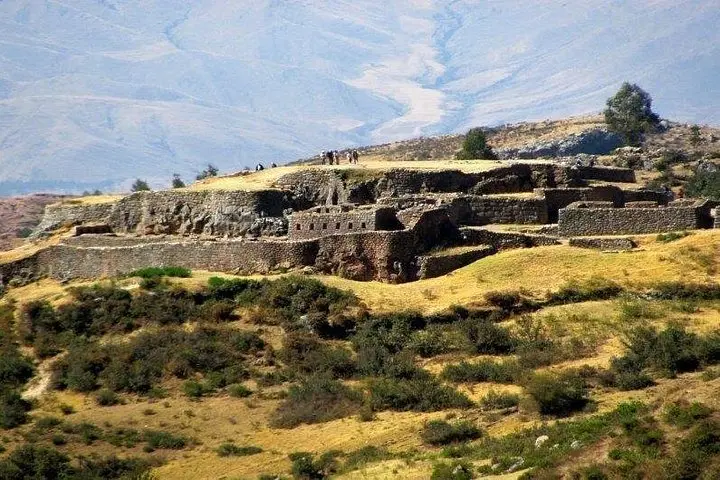
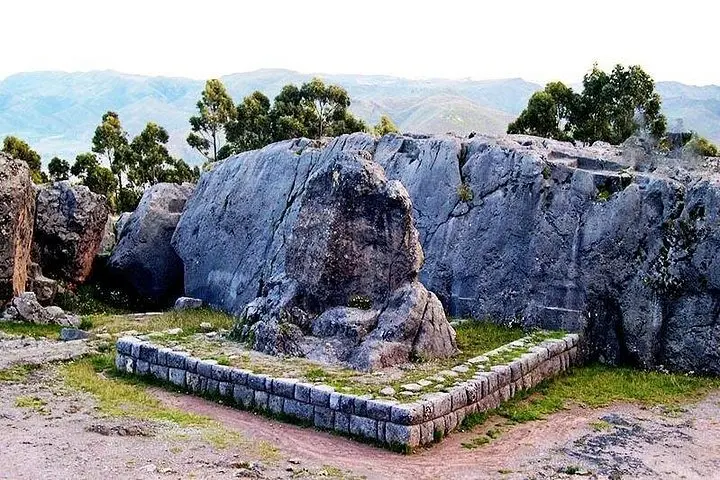
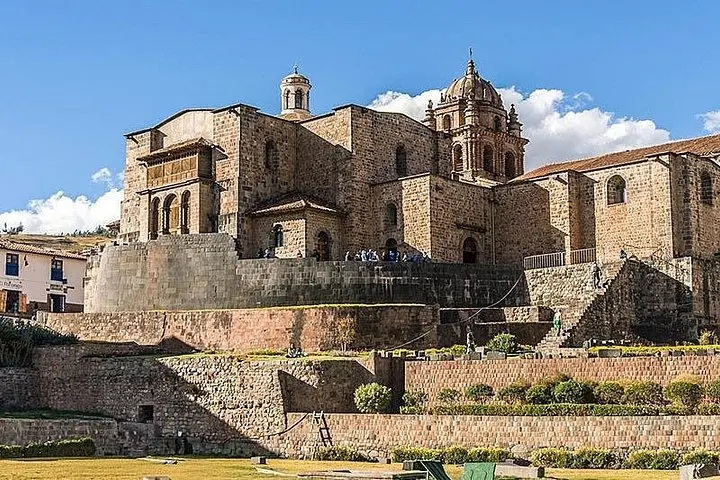
Cusco was the imperial hub of the Inca world; Qoricancha once held the empire's most sacred shrines before Spanish convents were built on its foundations. Sacsayhuamán’s enormous fitted stones and Puca Pucara’s defensive terraces reveal construction approaches born from local geology — hard andesite and sandstone quarried and moved with precision. Tambomachay shows the Inca mastery of water: canals that still whisper toward ceremonial basins.
Expect a mixed program of short walks and pausing at viewpoints; the tour runs about 4–5 hours, includes entrance fees, and usually provides hotel pickup. Practicalities matter: altitude can dull appetite and breath, so start slow, hydrate, and bring small local remedies like coca if you use them. Wear sturdy shoes for uneven stone and steps, sun and rain protection (Peru’s wet season is December–March), and carry your passport for ticket processing.
The guide will thread history and local customs into the route — how plazas doubled as marketplaces, where Spanish and Quechua cultures intersect — while you move through the living city that still breathes Inca time into modern life.
Yes — this tour includes admission to the listed archaeological sites, which are handled during the tour.
Yes; pickup is arranged — confirm your hotel name and location with the operator ahead of time.
The tour is labeled easy but operates at Cusco’s elevation; if you have significant concerns, rest first, consult a doctor, and bring altitude remedies or medications you normally use.
Children can join, but infants must sit on an adult’s lap; the tour involves short walks and stairs that may be challenging for very young children.
VIAJES POR PERU operates guided outdoor trips and adventures with an emphasis on safety, stewardship, and memorable experiences.
You step off the van into the high-city air and the stones seem to hold their own temperature — cool where the sun hasn't reached, warm where it clings. Narrow colonial streets unfurl toward the Plaza de Armas while the ruins above the city watch like patient sentries. An afternoon city tour in Cusco moves at a steady pace: temples, fortresses, carved waterworks, and plazas each offering a different cut of Inca engineering and Spanish overlay.
You step off the van into the high-city air and the stones seem to hold their own temperature — cool where the sun hasn't reached, warm where it clings. Narrow colonial streets unfurl toward the Plaza de Armas while the ruins above the city watch like patient sentries. An afternoon city tour in Cusco moves at a steady pace: temples, fortresses, carved waterworks, and plazas each offering a different cut of Inca engineering and Spanish overlay.
Cusco was the imperial hub of the Inca world; Qoricancha once held the empire's most sacred shrines before Spanish convents were built on its foundations. Sacsayhuamán’s enormous fitted stones and Puca Pucara’s defensive terraces reveal construction approaches born from local geology — hard andesite and sandstone quarried and moved with precision. Tambomachay shows the Inca mastery of water: canals that still whisper toward ceremonial basins.
Expect a mixed program of short walks and pausing at viewpoints; the tour runs about 4–5 hours, includes entrance fees, and usually provides hotel pickup. Practicalities matter: altitude can dull appetite and breath, so start slow, hydrate, and bring small local remedies like coca if you use them. Wear sturdy shoes for uneven stone and steps, sun and rain protection (Peru’s wet season is December–March), and carry your passport for ticket processing.
The guide will thread history and local customs into the route — how plazas doubled as marketplaces, where Spanish and Quechua cultures intersect — while you move through the living city that still breathes Inca time into modern life.