THE ADVENTURE COLLECTIVE® · Independent discovery and booking for outdoor travel

A compact six-hour circuit from Cusco’s Plaza de Armas to the great Inca sites: Qoricancha, Sacsayhuamán, Qenqo, Puka Pukara and Tambomachay. Expect sharp views, high-altitude walking and a clear window into Inca engineering and colonial overlay.
A compact six-hour circuit from Cusco’s Plaza de Armas to the great Inca sites: Qoricancha, Sacsayhuamán, Qenqo, Puka Pukara and Tambomachay. Expect sharp views, high-altitude walking and a clear window into Inca engineering and colonial overlay.
You step out onto Plaza de Armas as morning light slices across red-tile roofs and the Andes breathe cold air down the alleys.
From this urban heart a six-hour loop pulls you up out of the colonial grid into the raw geometry of Inca stone: Qoricancha’s polished walls, Sacsayhuamán’s monumental terraces and the carved altars of Qenqo.
Verified experiences and guided adventures in the surrounding area.
Operated by Andes Elite Trek · Cusco, Cusco Region
You step out onto Plaza de Armas as morning light slices across red-tile roofs and the Andes breathe cold air down the alleys.
From this urban heart a six-hour loop pulls you up out of the colonial grid into the raw geometry of Inca stone: Qoricancha’s polished walls, Sacsayhuamán’s monumental terraces and the carved altars of Qenqo.
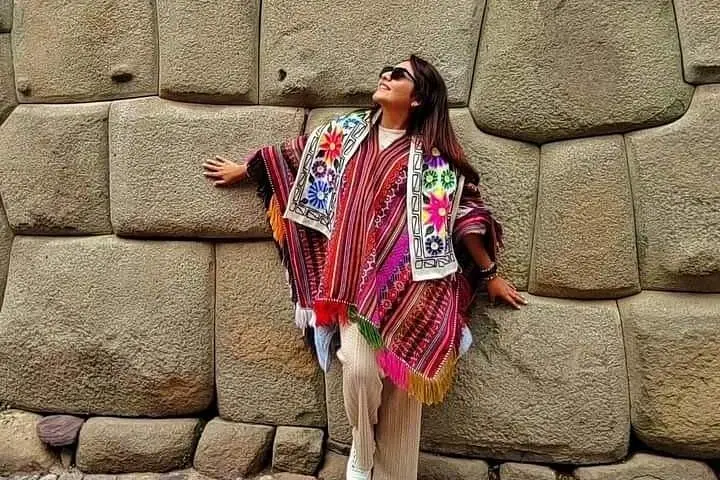
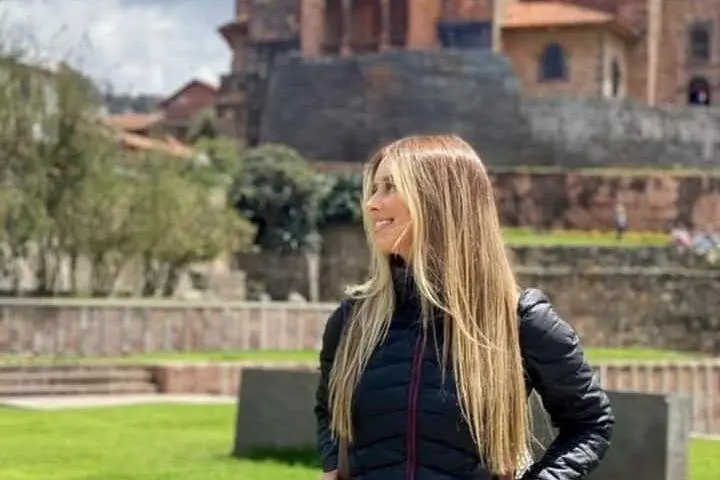
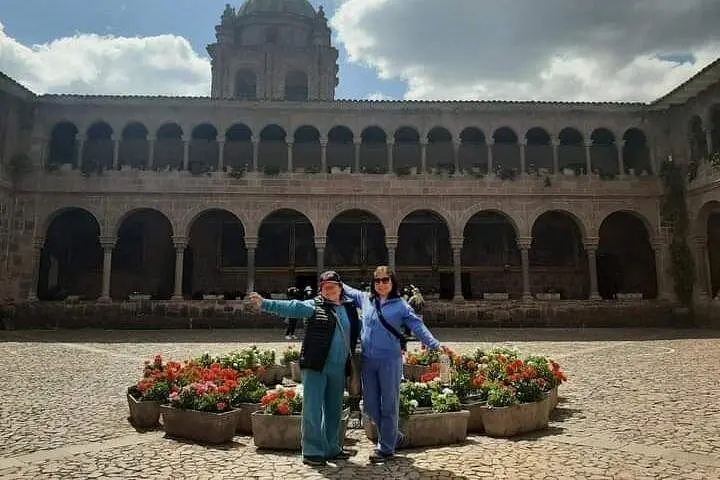
These places are architectural clues to an empire that organized stone, water and astronomy. Qoricancha began as the Temple of the Sun and was later capped by Santo Domingo’s convent—Spanish masonry literally sitting on Inca foundations. Sacsayhuamán’s massive interlocking blocks still refuse mortar; the precision hints at seismic-aware engineering. Puka Pukara and Tambomachay reveal military logistics and ritual hydraulics: the Incas routed water into ceremonial cascades that still flow today.
The route is largely short drives between sites with moderate walking on uneven stone and loose scree at viewpoints. Expect thin air—Cusco sits above 3,300 m—so move deliberately, sip water and let your breath set the pace.
Practical note: this hop-on, hop-off style tour departs Plaza de Armas, runs roughly 8:00–12:00, and includes transport and archaeological-site entrance fees. Wear grippy shoes for stone ramps, bring sun protection and a light insulating layer for wind at higher sites. Leave time afterward to wander San Blas’s artisan lanes or the San Pedro market; both offer context—contemporary life threaded through centuries of history.
The tour runs about 4–6 hours and typically departs Plaza de Armas at 08:00, returning around noon.
Some sites have uneven stone surfaces and steps; parts are wheelchair accessible in the city, but archaeological complexes have limited accessibility—check specific needs with the operator.
Yes, entrance fees to the listed archaeological sites are included in the tour price per the operator information.
Acclimatize in Cusco for 24–48 hours if possible, stay hydrated, avoid alcohol before the tour, and consider coca leaf tea or consult a physician about medication if you’ve had prior symptoms.
Andes Elite Trek operates guided outdoor trips and adventures with an emphasis on safety, stewardship, and memorable experiences.
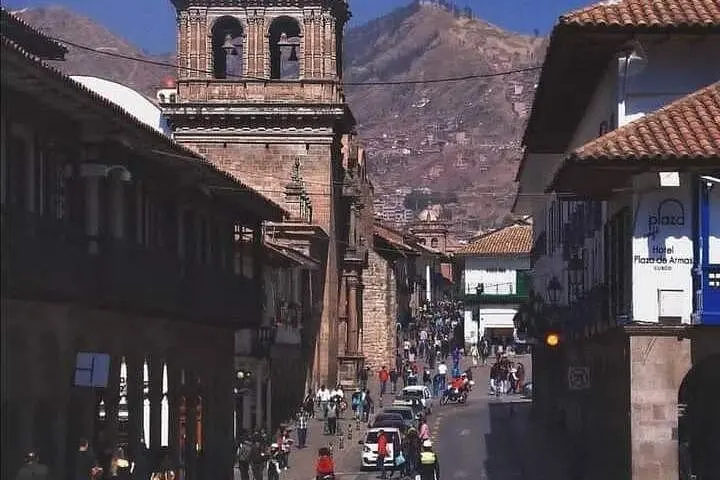
You step out onto Plaza de Armas as morning light slices across red-tile roofs and the Andes breathe cold air down the alleys.
From this urban heart a six-hour loop pulls you up out of the colonial grid into the raw geometry of Inca stone: Qoricancha’s polished walls, Sacsayhuamán’s monumental terraces and the carved altars of Qenqo.
These places are architectural clues to an empire that organized stone, water and astronomy. Qoricancha began as the Temple of the Sun and was later capped by Santo Domingo’s convent—Spanish masonry literally sitting on Inca foundations. Sacsayhuamán’s massive interlocking blocks still refuse mortar; the precision hints at seismic-aware engineering. Puka Pukara and Tambomachay reveal military logistics and ritual hydraulics: the Incas routed water into ceremonial cascades that still flow today.
The route is largely short drives between sites with moderate walking on uneven stone and loose scree at viewpoints. Expect thin air—Cusco sits above 3,300 m—so move deliberately, sip water and let your breath set the pace.
Practical note: this hop-on, hop-off style tour departs Plaza de Armas, runs roughly 8:00–12:00, and includes transport and archaeological-site entrance fees. Wear grippy shoes for stone ramps, bring sun protection and a light insulating layer for wind at higher sites. Leave time afterward to wander San Blas’s artisan lanes or the San Pedro market; both offer context—contemporary life threaded through centuries of history.