THE ADVENTURE COLLECTIVE® · Independent discovery and booking for outdoor travel

Experience the Sacred Valley’s signature sites in a single long day: Moray’s agricultural circles, Maras’ salt terraces, Ollantaytambo’s fortress, and Pisac’s ruins and market. This practical guide covers what you’ll see, how to prepare for altitude, and the on-the-ground details you’ll want to know before you go.
Experience the Sacred Valley’s signature sites in a single long day: Moray’s agricultural circles, Maras’ salt terraces, Ollantaytambo’s fortress, and Pisac’s ruins and market. This practical guide covers what you’ll see, how to prepare for altitude, and the on-the-ground details you’ll want to know before you go.
The day begins before dawn in Cusco, when minivans hum through thin air and the valley unfolds like a long, living map beneath you. Light hits stone terraces and salt pans, and the river below seems to tug you toward the corridor the Incas once guarded.
Verified experiences and guided adventures in the surrounding area.
Operated by MACHUPICCHU TOURIST CONNECTION · Cusco, Cusco Region
The day begins before dawn in Cusco, when minivans hum through thin air and the valley unfolds like a long, living map beneath you. Light hits stone terraces and salt pans, and the river below seems to tug you toward the corridor the Incas once guarded.
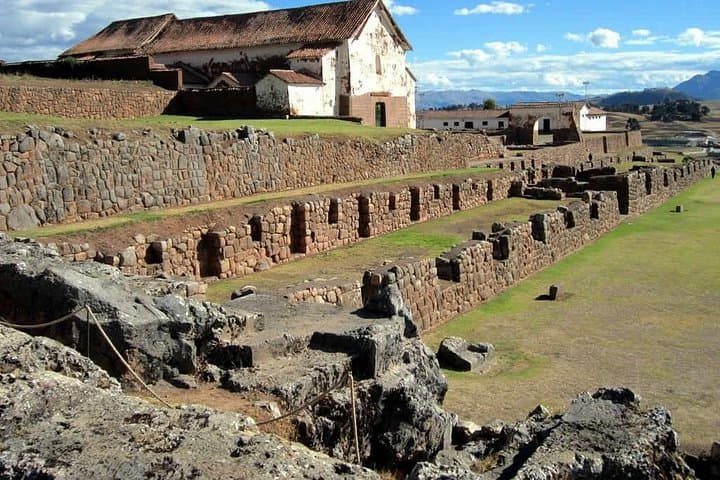
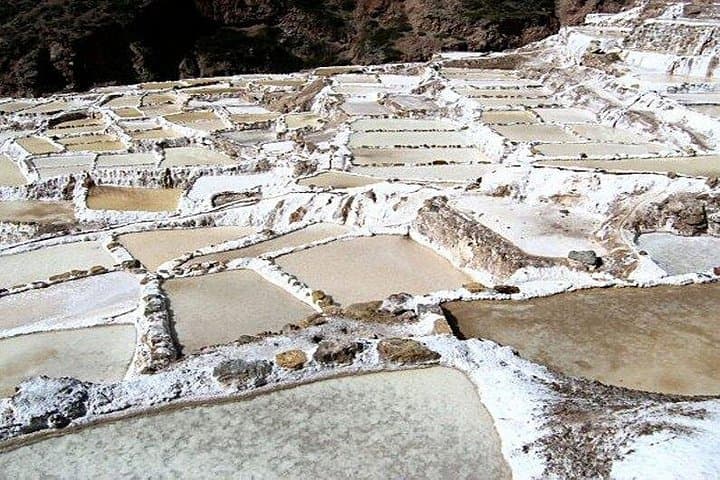
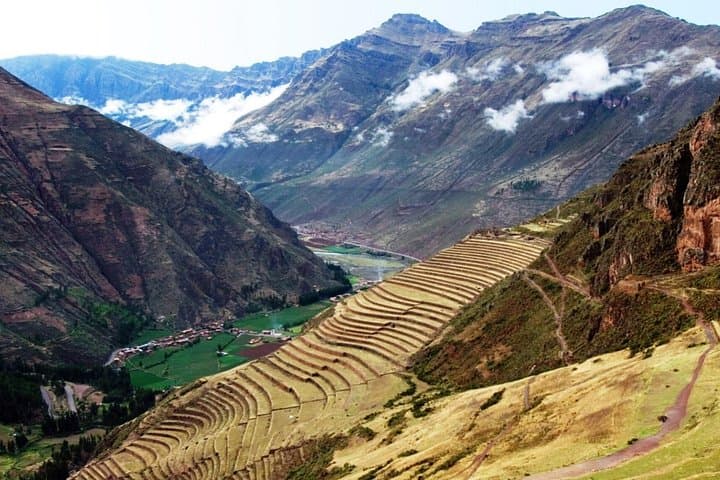
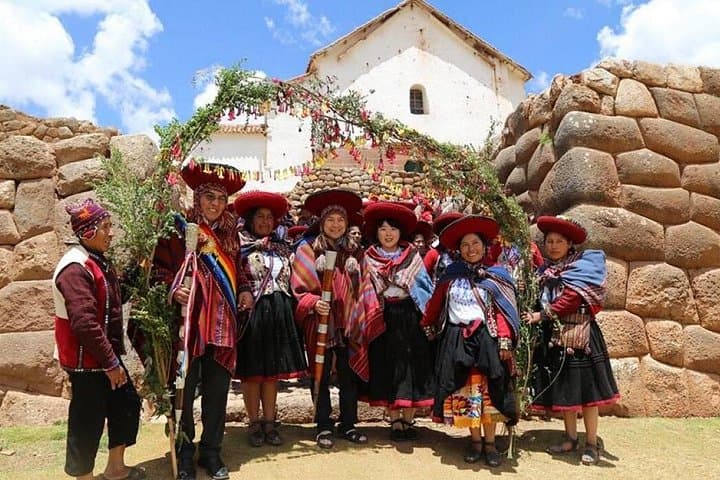
This full-day Sacred Valley loop visits several of the region’s defining places: the concentric agricultural circles of Moray, the glimmering salt terraces of Maras, the living Inca town and fortress of Ollantaytambo, and the high-elevation ruins and market at Pisac. Geologically the valley is a deep incision in Andean rock, carved by glacial melt and the Urubamba River; agriculturally it shows the Incas’ experiments in microclimates. Culturally you’ll see colonial churches built on Inca foundations and markets where alpaca textiles and local produce trade hands as centuries-old techniques endure.
Practical guidance: pickup is early (around 6:30 a.m.), the day runs roughly 13 hours, and most archaeological sites require separate entry tickets. Expect brief uphill walks on uneven stonework, punctuated by flat town strolls and panoramic viewpoints. Altitude matters—pace yourself, hydrate, and favor layered clothing for sun and sudden wind. Bring cash for markets and small entrance fees, sturdy footwear for terraces, and a camera with spare batteries; light is best mid-morning to late afternoon. Guides typically provide context and logistics, but plan for a long active day and moderate fitness demands if you want to explore ruins rather than just photograph them.
Pickup typically begins around 6:30 a.m. from hotels in Cusco; confirm your exact pickup point when booking.
Most archaeological site admissions are not included—bring cash or check with your operator for ticketing options.
Infants can join but must sit on a lap; the tour involves long hours and uneven walking, so assess comfort for young children.
Sites sit around 3,000–3,400 m (9,800–11,200 ft); mild altitude effects are common—allow time to acclimate and hydrate.
MACHUPICCHU TOURIST CONNECTION operates guided outdoor trips and adventures with an emphasis on safety, stewardship, and memorable experiences.
The day begins before dawn in Cusco, when minivans hum through thin air and the valley unfolds like a long, living map beneath you. Light hits stone terraces and salt pans, and the river below seems to tug you toward the corridor the Incas once guarded.
The day begins before dawn in Cusco, when minivans hum through thin air and the valley unfolds like a long, living map beneath you. Light hits stone terraces and salt pans, and the river below seems to tug you toward the corridor the Incas once guarded.
This full-day Sacred Valley loop visits several of the region’s defining places: the concentric agricultural circles of Moray, the glimmering salt terraces of Maras, the living Inca town and fortress of Ollantaytambo, and the high-elevation ruins and market at Pisac. Geologically the valley is a deep incision in Andean rock, carved by glacial melt and the Urubamba River; agriculturally it shows the Incas’ experiments in microclimates. Culturally you’ll see colonial churches built on Inca foundations and markets where alpaca textiles and local produce trade hands as centuries-old techniques endure.
Practical guidance: pickup is early (around 6:30 a.m.), the day runs roughly 13 hours, and most archaeological sites require separate entry tickets. Expect brief uphill walks on uneven stonework, punctuated by flat town strolls and panoramic viewpoints. Altitude matters—pace yourself, hydrate, and favor layered clothing for sun and sudden wind. Bring cash for markets and small entrance fees, sturdy footwear for terraces, and a camera with spare batteries; light is best mid-morning to late afternoon. Guides typically provide context and logistics, but plan for a long active day and moderate fitness demands if you want to explore ruins rather than just photograph them.