THE ADVENTURE COLLECTIVE® · Independent discovery and booking for outdoor travel

A focused half-day circuit from Cusco’s Plaza de Armas to Sacsayhuamán, Qenqo and Tambomachay that mixes Inca engineering, carved rock shrines and water temples. Ideal for travelers who want a compact archaeological overview with hotel pickup and an experienced guide.
A focused half-day circuit from Cusco’s Plaza de Armas to Sacsayhuamán, Qenqo and Tambomachay that mixes Inca engineering, carved rock shrines and water temples. Ideal for travelers who want a compact archaeological overview with hotel pickup and an experienced guide.
Morning light breaks over the Plaza de Armas and the air is thin and bright — the Andes seem to hold their breath as you step out onto cobbled streets. This half-day circuit moves from the colonial heart of Cusco to the raw, oversized stones of Sacsayhuamán, then down to the carved-rock shrines at Qenqo and the water channels of Tambomachay, folding centuries of Inca practice into a single stretch of highland terrain.
Verified experiences and guided adventures in the surrounding area.
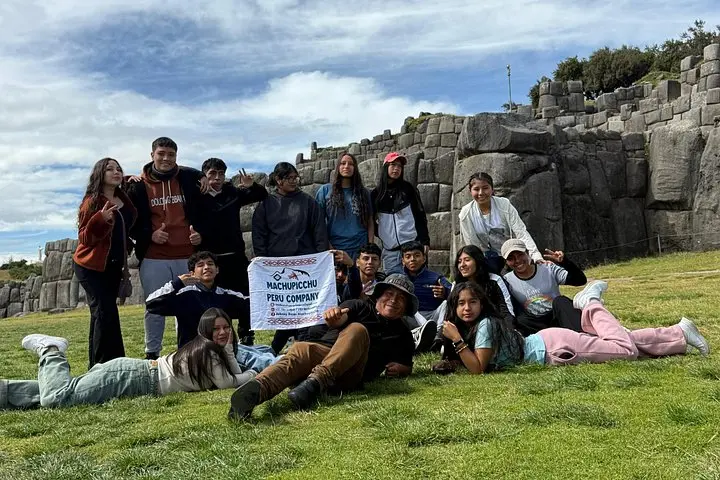
Operated by Machupicchu Peru Company · Cusco, Cusco
Morning light breaks over the Plaza de Armas and the air is thin and bright — the Andes seem to hold their breath as you step out onto cobbled streets. This half-day circuit moves from the colonial heart of Cusco to the raw, oversized stones of Sacsayhuamán, then down to the carved-rock shrines at Qenqo and the water channels of Tambomachay, folding centuries of Inca practice into a single stretch of highland terrain.
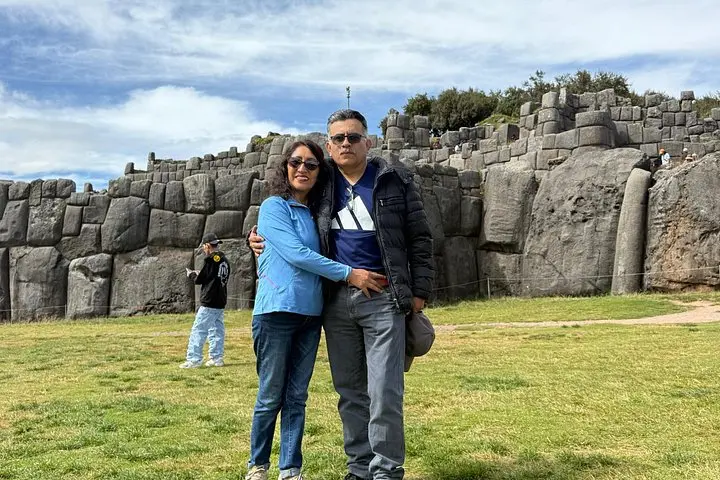
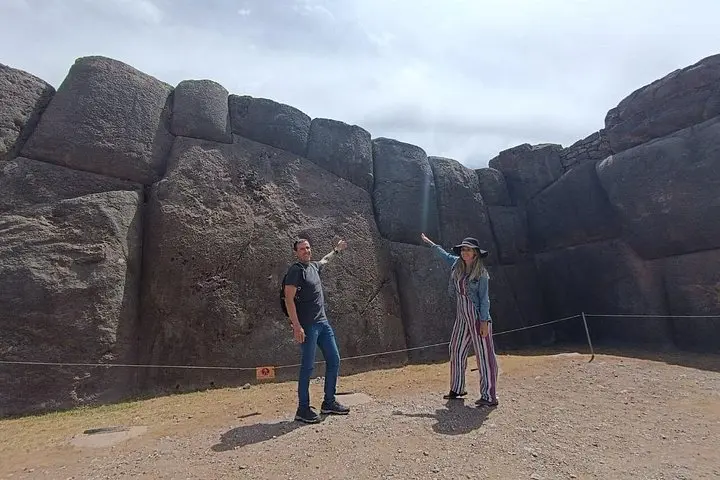
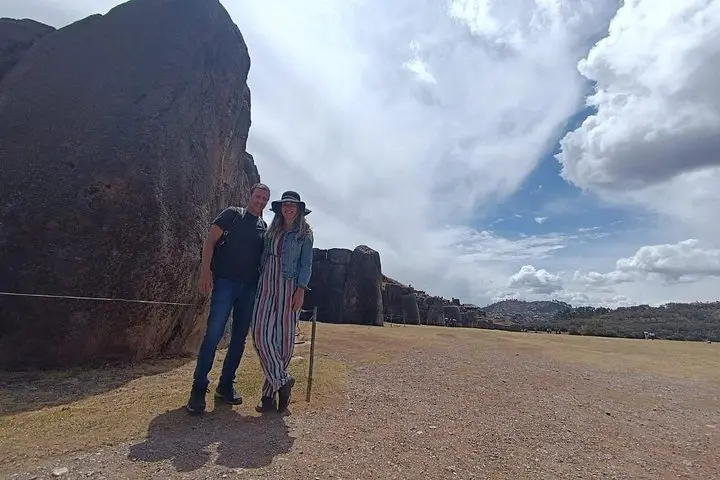
Cusco was the capital of the Inca Empire; Qoricancha (the Temple of the Sun) anchors the itinerary with its precise stone foundations and later Spanish church overlay. Sacsayhuamán’s giant andesite blocks show Inca engineering — fine-cut joints resistant to earthquakes — while Qenqo’s rock-cut niches and zigzag channels reveal ceremonial and possibly astronomical uses. Tambomachay, fed by spring aquifers, demonstrates the Inca’s reverence for water and hydraulic control.
Expect short walks on uneven stone and terraces, panoramic city views framed by steep ridgelines, and close encounters with local culture — from street vendors around the Plaza de Armas to an optional community alpaca demonstration. Guides typically explain both archaeology and living traditions, including Inti Raymi’s seasonal return to Sacsayhuamán.
Practical notes: the tour runs about 5–6 hours with hotel pickup in central Cusco; entrance fees are usually not included. Altitude is the defining factor — go slow, hydrate, and wear good-grip shoes and sun protection. Bring small bills for site entry, tips, and photos; plan for bright sun and sudden mountain breezes.
Most operators do not include archaeological site entrance fees; confirm when booking and carry local currency for admissions.
Pickup is usually included for hotels in central Cusco (Plaza de Armas area); confirm your pickup point at reservation time.
Yes, for those who can walk short distances and manage stairs, but consider altitude and mobility — those with cardiovascular issues should consult a physician.
Guides commonly speak Spanish and English; request your preferred language when booking.
Machupicchu Peru Company operates guided outdoor trips and adventures with an emphasis on safety, stewardship, and memorable experiences.
Morning light breaks over the Plaza de Armas and the air is thin and bright — the Andes seem to hold their breath as you step out onto cobbled streets. This half-day circuit moves from the colonial heart of Cusco to the raw, oversized stones of Sacsayhuamán, then down to the carved-rock shrines at Qenqo and the water channels of Tambomachay, folding centuries of Inca practice into a single stretch of highland terrain.
Morning light breaks over the Plaza de Armas and the air is thin and bright — the Andes seem to hold their breath as you step out onto cobbled streets. This half-day circuit moves from the colonial heart of Cusco to the raw, oversized stones of Sacsayhuamán, then down to the carved-rock shrines at Qenqo and the water channels of Tambomachay, folding centuries of Inca practice into a single stretch of highland terrain.
Cusco was the capital of the Inca Empire; Qoricancha (the Temple of the Sun) anchors the itinerary with its precise stone foundations and later Spanish church overlay. Sacsayhuamán’s giant andesite blocks show Inca engineering — fine-cut joints resistant to earthquakes — while Qenqo’s rock-cut niches and zigzag channels reveal ceremonial and possibly astronomical uses. Tambomachay, fed by spring aquifers, demonstrates the Inca’s reverence for water and hydraulic control.
Expect short walks on uneven stone and terraces, panoramic city views framed by steep ridgelines, and close encounters with local culture — from street vendors around the Plaza de Armas to an optional community alpaca demonstration. Guides typically explain both archaeology and living traditions, including Inti Raymi’s seasonal return to Sacsayhuamán.
Practical notes: the tour runs about 5–6 hours with hotel pickup in central Cusco; entrance fees are usually not included. Altitude is the defining factor — go slow, hydrate, and wear good-grip shoes and sun protection. Bring small bills for site entry, tips, and photos; plan for bright sun and sudden mountain breezes.