THE ADVENTURE COLLECTIVE® · Independent discovery and booking for outdoor travel

Explore Cusco’s core in a focused half-day: Qoricancha’s Inca foundations, the megaliths of Sacsayhuamán, carved kinship at Qenqo, and water rites at Tambomachay. This compact tour delivers history, views and practical access to the ruins around the former Inca capital.
Explore Cusco’s core in a focused half-day: Qoricancha’s Inca foundations, the megaliths of Sacsayhuamán, carved kinship at Qenqo, and water rites at Tambomachay. This compact tour delivers history, views and practical access to the ruins around the former Inca capital.
The group departs from Plaza de Armas as crisp highland air pulls at your layers and the city rises around a web of cobbled streets and red-tile roofs. Walk past colonial façades to the Temple of the Sun, where Inca stonework meets Spanish stone and the light seems to linger on edges honed centuries ago.
Verified experiences and guided adventures in the surrounding area.
Operated by Eco Tour Cusco · Cusco, Cusco
The group departs from Plaza de Armas as crisp highland air pulls at your layers and the city rises around a web of cobbled streets and red-tile roofs. Walk past colonial façades to the Temple of the Sun, where Inca stonework meets Spanish stone and the light seems to linger on edges honed centuries ago.
This half-day tour threads through the core of the Inca capital and its immediate outlying complexes. Qoricancha (Temple of the Sun) was the spiritual axis of Cusco; its polished stone foundations supported gold-covered walls before the conquest. A short drive climbs to Sacsayhuamán, a fortress of enormous fitted boulders that illustrates Inca engineering and the seismic logic of dry-stone construction. Nearby Qenqo offers carved altars and subterranean chambers once used for rituals; Puka Pukara—literally the "red fortress"—served as a military and administrative checkpoint, and Tambomachay presents channels and fountains tied to the water cult.
Expect uneven stone steps, short walks between sites, and broad views over Cusco at roughly 3,400 meters elevation. Guides typically explain Inca cosmology, imperial logistics and how Spanish colonialism layered new meanings onto these places.
Practical notes: bring water, high-SPF sun protection and a warm layer for wind and sudden temperature swings. Take it slow to reduce altitude effects; most visitors complete the circuit in about five hours. Wear sturdy shoes with good traction—stones get slick when wet—and carry small bills for local vendors and museum admissions not always included. The route is compact but historically dense: move deliberately and let the stones set the pace.
The tour includes the tourist ticket valid for Sacsayhuamán, Qenqo, Puka Pukara and Tambomachay and entry to Qoricancha as stated; confirm with the operator for any museum supplements.
The shared tour lasts about five hours and typically starts near Plaza de Armas with hotel pickup between 8:00–8:20 a.m.
Not recommended for those with significant mobility issues—sites have uneven stone surfaces and stairways; notify the operator of special requirements when booking.
Yes—Cusco sits around 3,400 m; acclimatize first, hydrate, avoid overexertion and consider speaking with a doctor about preventive medication if you have concerns.
Eco Tour Cusco operates guided outdoor trips and adventures with an emphasis on safety, stewardship, and memorable experiences.
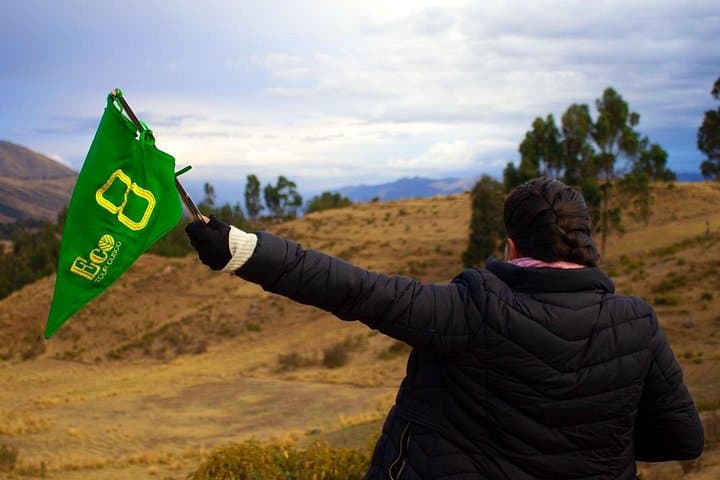


The group departs from Plaza de Armas as crisp highland air pulls at your layers and the city rises around a web of cobbled streets and red-tile roofs. Walk past colonial façades to the Temple of the Sun, where Inca stonework meets Spanish stone and the light seems to linger on edges honed centuries ago.
The group departs from Plaza de Armas as crisp highland air pulls at your layers and the city rises around a web of cobbled streets and red-tile roofs. Walk past colonial façades to the Temple of the Sun, where Inca stonework meets Spanish stone and the light seems to linger on edges honed centuries ago.
This half-day tour threads through the core of the Inca capital and its immediate outlying complexes. Qoricancha (Temple of the Sun) was the spiritual axis of Cusco; its polished stone foundations supported gold-covered walls before the conquest. A short drive climbs to Sacsayhuamán, a fortress of enormous fitted boulders that illustrates Inca engineering and the seismic logic of dry-stone construction. Nearby Qenqo offers carved altars and subterranean chambers once used for rituals; Puka Pukara—literally the "red fortress"—served as a military and administrative checkpoint, and Tambomachay presents channels and fountains tied to the water cult.
Expect uneven stone steps, short walks between sites, and broad views over Cusco at roughly 3,400 meters elevation. Guides typically explain Inca cosmology, imperial logistics and how Spanish colonialism layered new meanings onto these places.
Practical notes: bring water, high-SPF sun protection and a warm layer for wind and sudden temperature swings. Take it slow to reduce altitude effects; most visitors complete the circuit in about five hours. Wear sturdy shoes with good traction—stones get slick when wet—and carry small bills for local vendors and museum admissions not always included. The route is compact but historically dense: move deliberately and let the stones set the pace.