THE ADVENTURE COLLECTIVE® · Independent discovery and booking for outdoor travel

Explore Cusco’s core on a private half-day tour that pairs Koricancha’s Inca solar legacy with the fortress walls of Sacsayhuamán and the city’s colonial cathedral. Perfect for travelers who want a condensed, context-rich introduction to the former Inca capital.
Explore Cusco’s core on a private half-day tour that pairs Koricancha’s Inca solar legacy with the fortress walls of Sacsayhuamán and the city’s colonial cathedral. Perfect for travelers who want a condensed, context-rich introduction to the former Inca capital.
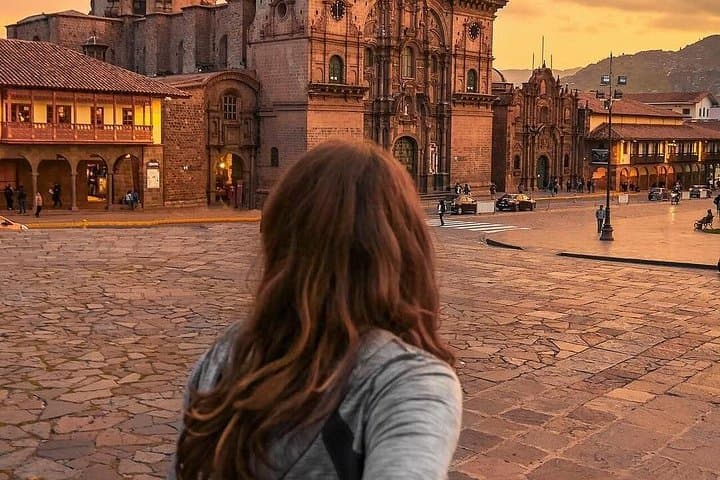
Morning light washes across Cusco’s Plaza de Armas and the city wakes under the shadow of the Andes—a compact, walkable stage where Inca stonework and Spanish baroque share the same stones.
Verified experiences and guided adventures in the surrounding area.
Operated by BM TOURS SA · Cusco, Cusco
Morning light washes across Cusco’s Plaza de Armas and the city wakes under the shadow of the Andes—a compact, walkable stage where Inca stonework and Spanish baroque share the same stones.
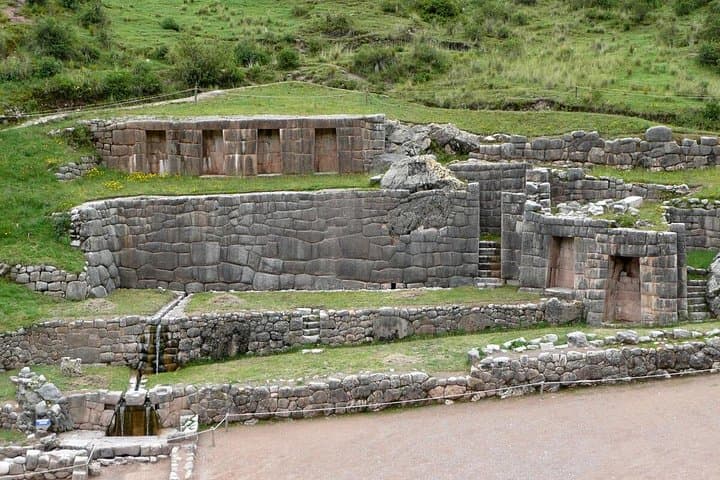
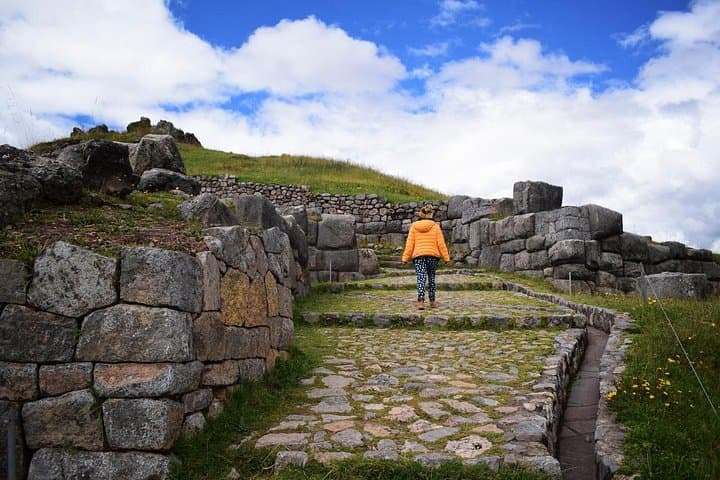
This half-day private tour threads through two main stops: the sun temple Koricancha and the cluster of archaeological sites that ring the city—Sacsayhuamán, Kenko, Puca Pucara and Tambomachay. Visitors will see Inca masonry so precise the joints seem invisible, then step into colonial spaces where convents and cathedrals were built atop older foundations. Geologically, you’re moving across uplifted Andean bedrock; the giant boulders of Sacsayhuamán were quarried and fitted without mortar, a practice that still draws study and admiration.
Culture here is living: Quechua-speaking vendors, artisan workshops in San Blas, and markets where coca leaves, textiles and local snacks are traded. The guide places each monument in context—how water was venerated at Tambomachay or how Koricancha’s solar calendar oriented daily life.
Practical side: the route is largely paved or compacted stone with short climbs; expect about 3–4 hours on foot at 3,400 m elevation. Altitude is the real variable—move deliberately, hydrate, and avoid heavy exertion the first day. Wear supportive walking shoes, sun protection, and layers for quick temperature swings. Admissions to sites are typically paid on site unless specified; check with your operator if museum entries are included. An early start reduces crowds and turns the highland sky into a clear, sharp backdrop for those ancient stones.
Not by default—this tour lists admissions as not applicable, so plan to pay site entrances on location unless your booking confirms otherwise.
Yes; the itinerary is rated easy and suitable for most fitness levels, but consider altitude effects for young children and those with cardiovascular or spinal conditions.
Pickup arrangements vary by operator—confirm meeting point or hotel transfer when booking, as inclusions list only a guide and the excursion itself.
Move slowly, breathe deliberately, sip water, and inform your guide immediately if you experience severe symptoms; rest and descend if necessary.
BM TOURS SA operates guided outdoor trips and adventures with an emphasis on safety, stewardship, and memorable experiences.

Morning light washes across Cusco’s Plaza de Armas and the city wakes under the shadow of the Andes—a compact, walkable stage where Inca stonework and Spanish baroque share the same stones.
Morning light washes across Cusco’s Plaza de Armas and the city wakes under the shadow of the Andes—a compact, walkable stage where Inca stonework and Spanish baroque share the same stones.
This half-day private tour threads through two main stops: the sun temple Koricancha and the cluster of archaeological sites that ring the city—Sacsayhuamán, Kenko, Puca Pucara and Tambomachay. Visitors will see Inca masonry so precise the joints seem invisible, then step into colonial spaces where convents and cathedrals were built atop older foundations. Geologically, you’re moving across uplifted Andean bedrock; the giant boulders of Sacsayhuamán were quarried and fitted without mortar, a practice that still draws study and admiration.
Culture here is living: Quechua-speaking vendors, artisan workshops in San Blas, and markets where coca leaves, textiles and local snacks are traded. The guide places each monument in context—how water was venerated at Tambomachay or how Koricancha’s solar calendar oriented daily life.
Practical side: the route is largely paved or compacted stone with short climbs; expect about 3–4 hours on foot at 3,400 m elevation. Altitude is the real variable—move deliberately, hydrate, and avoid heavy exertion the first day. Wear supportive walking shoes, sun protection, and layers for quick temperature swings. Admissions to sites are typically paid on site unless specified; check with your operator if museum entries are included. An early start reduces crowds and turns the highland sky into a clear, sharp backdrop for those ancient stones.