THE ADVENTURE COLLECTIVE® · Independent discovery and booking for outdoor travel

A compact, private half-day tour that covers Plaza de Armas, Qoricancha, Sacsayhuamán and Qenqo—ideal as an orientation to Cusco and a practical introduction before heading to the Sacred Valley or Machu Picchu.
A compact, private half-day tour that covers Plaza de Armas, Qoricancha, Sacsayhuamán and Qenqo—ideal as an orientation to Cusco and a practical introduction before heading to the Sacred Valley or Machu Picchu.
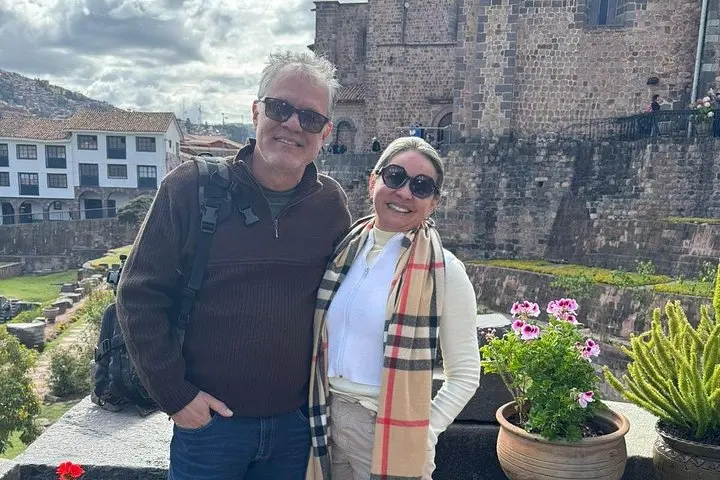
You step out onto the Plaza de Armas as thin mountain air lifts a cool, clear hush over the city. Colonial balconies frame a square that pulses with vendors and day-trippers, while the stones underfoot whisper the route from Inca capital to Spanish seat of power.
Verified experiences and guided adventures in the surrounding area.
Operated by Machupicchu Adventour · Cusco, Cusco
You step out onto the Plaza de Armas as thin mountain air lifts a cool, clear hush over the city. Colonial balconies frame a square that pulses with vendors and day-trippers, while the stones underfoot whisper the route from Inca capital to Spanish seat of power.
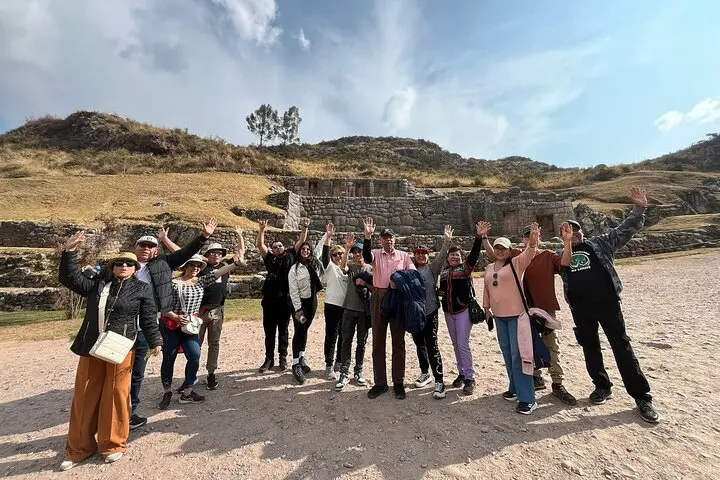
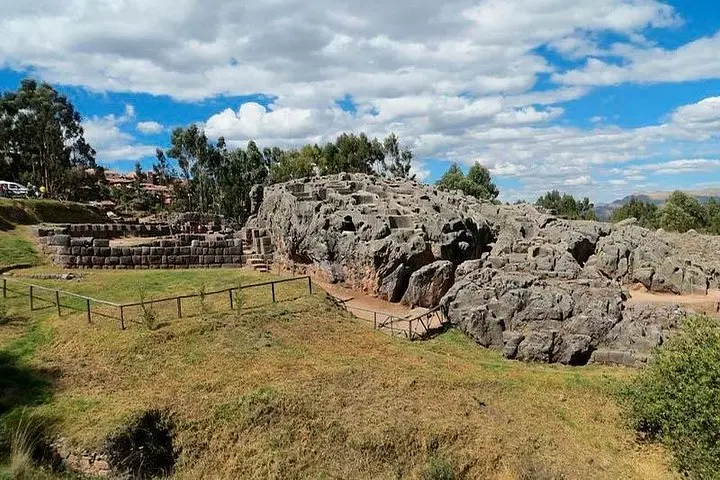
This private half-day circuit moves fast but deliberately: Plaza de Armas, the gold-lined Qoricancha (Temple of the Sun), expansive terraced walls of Sacsayhuamán, and the carved ceremonial complex at Qenqo, with quick stops at Pucapucara and Tambomachay. Geologically, the region sits on folded Andean bedrock—massive limestone and volcanic intrusions provide the raw blocks the Incas cut and set with precision.
Culturally, the tour highlights the overlay of Inca urban planning and Spanish colonial reuse—churches built into Inca foundations and water channels still running from Andean springs. A brief visit to a local alpaca farm introduces traditional fiber crafts that remain a living economy for surrounding communities.
Practical notes: the itinerary runs about 5–6 hours, includes central hotel pickup and drop-off, and usually does not cover site admissions. Expect cobbled streets, uneven steps and short uphill stretches; wear sturdy shoes, carry water and sun protection, and allow time to acclimatize—Cusco sits near 3,400 m (11,150 ft). Morning departures catch softer light and cooler temperatures; reserve an afternoon buffer if you’re feeling altitude effects.
This is an efficient primer for travelers bound for the Sacred Valley or Machu Picchu: historical context, tactile stonework, and a grounded sense of how the city still moves between past and present.
Admissions to archaeological sites are usually not included; your guide will advise which tickets to buy or where to purchase them.
Yes — the tour typically includes hotel pickup and drop-off from central Cusco (Plaza de Armas area) as listed in the inclusions.
Allow at least 24 hours in Cusco at low exertion, hydrate, avoid alcohol and heavy meals, and consider coca tea; seek medical advice for severe symptoms.
Generally yes — the tour is classified as easy, but caregivers should account for uneven terrain and shorter attention spans at historic sites.
Machupicchu Adventour operates guided outdoor trips and adventures with an emphasis on safety, stewardship, and memorable experiences.
You step out onto the Plaza de Armas as thin mountain air lifts a cool, clear hush over the city. Colonial balconies frame a square that pulses with vendors and day-trippers, while the stones underfoot whisper the route from Inca capital to Spanish seat of power.
You step out onto the Plaza de Armas as thin mountain air lifts a cool, clear hush over the city. Colonial balconies frame a square that pulses with vendors and day-trippers, while the stones underfoot whisper the route from Inca capital to Spanish seat of power.
This private half-day circuit moves fast but deliberately: Plaza de Armas, the gold-lined Qoricancha (Temple of the Sun), expansive terraced walls of Sacsayhuamán, and the carved ceremonial complex at Qenqo, with quick stops at Pucapucara and Tambomachay. Geologically, the region sits on folded Andean bedrock—massive limestone and volcanic intrusions provide the raw blocks the Incas cut and set with precision.
Culturally, the tour highlights the overlay of Inca urban planning and Spanish colonial reuse—churches built into Inca foundations and water channels still running from Andean springs. A brief visit to a local alpaca farm introduces traditional fiber crafts that remain a living economy for surrounding communities.
Practical notes: the itinerary runs about 5–6 hours, includes central hotel pickup and drop-off, and usually does not cover site admissions. Expect cobbled streets, uneven steps and short uphill stretches; wear sturdy shoes, carry water and sun protection, and allow time to acclimatize—Cusco sits near 3,400 m (11,150 ft). Morning departures catch softer light and cooler temperatures; reserve an afternoon buffer if you’re feeling altitude effects.
This is an efficient primer for travelers bound for the Sacred Valley or Machu Picchu: historical context, tactile stonework, and a grounded sense of how the city still moves between past and present.