THE ADVENTURE COLLECTIVE® · Independent discovery and booking for outdoor travel

Discover Cusco’s layered history on a private 4–5 hour tour that pairs colonial cathedrals with Inca temples and fortress walls. Ideal for travelers who want guided context, short walks, and direct access to key sites.
Discover Cusco’s layered history on a private 4–5 hour tour that pairs colonial cathedrals with Inca temples and fortress walls. Ideal for travelers who want guided context, short walks, and direct access to key sites.
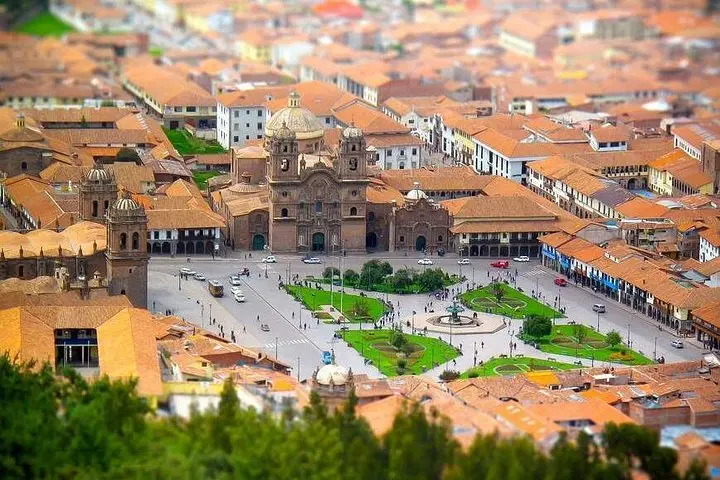
Morning light slides down narrow Calle del Medio as a private vehicle carries visitors from their hotel toward the Plaza de Armas of Cusco. The square opens like a living map: colonial facades perched on Inca foundations, locals balancing market baskets, and the cathedral’s bells marking a rhythm that’s part reverence, part daily routine.
Verified experiences and guided adventures in the surrounding area.
Operated by America Viajes · Cusco, Cusco Region
Morning light slides down narrow Calle del Medio as a private vehicle carries visitors from their hotel toward the Plaza de Armas of Cusco. The square opens like a living map: colonial facades perched on Inca foundations, locals balancing market baskets, and the cathedral’s bells marking a rhythm that’s part reverence, part daily routine.
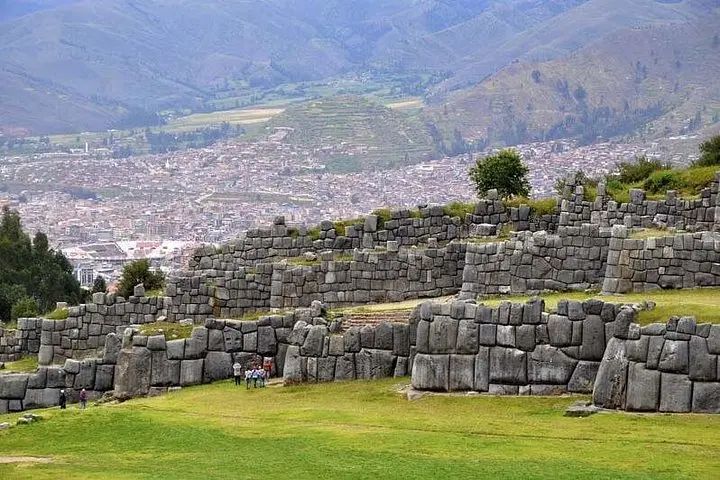
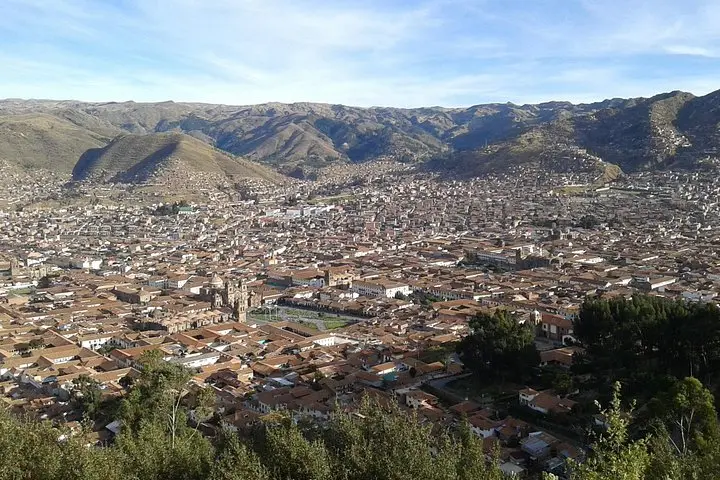
This 4–5 hour private city tour moves through layers of history. The Spanish cathedral rises over the palace of Viracocha; inside, colonial altarpieces sit above stones once shaped by Inca masons. Coricancha—once the richest temple of the sun—reveals Inca planning and solar alignments, while the fortress of Sacsayhuamán, with its monumental cyclopean walls, offers both a lesson in stonework and a sweeping view of the valley below.
Beyond architecture, the route touches smaller archaeological sites—Qenqo’s carved platforms, Tambomachay’s ritual fountains, and the military outpost of Puca Pucara—each a practical chapter in Andean ceremonial and logistics systems shaped by altitude and water.
Practical guidance: the pace is walking-friendly with short vehicle transfers between sites. Altitude affects breath and pace—carry water and rest between viewpoints. Morning departures avoid the afternoon rain showers common in the region; wear layered clothing for sharp temperature shifts between sun and shadow. Bring cash for small museum fees and local artisans; tipping your guide is customary.
Visitors should respect fragile stonework, follow guide instructions at sacred sites, and allow time to absorb both the sweep of the landscape and the detailed stone joints that keep these places standing.
Yes—private transport and hotel pickup/drop-off are included as stated in the tour inclusions.
The operator requires a minimum of two people per booking for this private tour.
Check with the provider—transport and guide are included, but some museums and site entrances may require additional local fees.
Mobile or paper tickets are accepted; bring your confirmation and ID for pickup.
America Viajes operates guided outdoor trips and adventures with an emphasis on safety, stewardship, and memorable experiences.
Morning light slides down narrow Calle del Medio as a private vehicle carries visitors from their hotel toward the Plaza de Armas of Cusco. The square opens like a living map: colonial facades perched on Inca foundations, locals balancing market baskets, and the cathedral’s bells marking a rhythm that’s part reverence, part daily routine.
Morning light slides down narrow Calle del Medio as a private vehicle carries visitors from their hotel toward the Plaza de Armas of Cusco. The square opens like a living map: colonial facades perched on Inca foundations, locals balancing market baskets, and the cathedral’s bells marking a rhythm that’s part reverence, part daily routine.
This 4–5 hour private city tour moves through layers of history. The Spanish cathedral rises over the palace of Viracocha; inside, colonial altarpieces sit above stones once shaped by Inca masons. Coricancha—once the richest temple of the sun—reveals Inca planning and solar alignments, while the fortress of Sacsayhuamán, with its monumental cyclopean walls, offers both a lesson in stonework and a sweeping view of the valley below.
Beyond architecture, the route touches smaller archaeological sites—Qenqo’s carved platforms, Tambomachay’s ritual fountains, and the military outpost of Puca Pucara—each a practical chapter in Andean ceremonial and logistics systems shaped by altitude and water.
Practical guidance: the pace is walking-friendly with short vehicle transfers between sites. Altitude affects breath and pace—carry water and rest between viewpoints. Morning departures avoid the afternoon rain showers common in the region; wear layered clothing for sharp temperature shifts between sun and shadow. Bring cash for small museum fees and local artisans; tipping your guide is customary.
Visitors should respect fragile stonework, follow guide instructions at sacred sites, and allow time to absorb both the sweep of the landscape and the detailed stone joints that keep these places standing.