THE ADVENTURE COLLECTIVE® · Independent discovery and booking for outdoor travel

A full-day loop from Cusco that packs Inca engineering, communal salt pans and mountain markets into one immersive outing. Expect high-altitude walking, vivid landscapes and a chance to see living agricultural traditions dating back centuries.
A full-day loop from Cusco that packs Inca engineering, communal salt pans and mountain markets into one immersive outing. Expect high-altitude walking, vivid landscapes and a chance to see living agricultural traditions dating back centuries.
Morning light cuts across the Andean bowl at Moray, where circular terraces step down like an amphitheater for the sky. Cool wind pushes at your jacket; salt-scented pools sparkle on a hillside nearby, and a guide gestures toward stonework that still sheds water precisely where the Incas engineered it to fall.
Verified experiences and guided adventures in the surrounding area.
Operated by ATV CUSCO ADVENTURES ON WHEELS · Cusco, Cusco Region
Morning light cuts across the Andean bowl at Moray, where circular terraces step down like an amphitheater for the sky. Cool wind pushes at your jacket; salt-scented pools sparkle on a hillside nearby, and a guide gestures toward stonework that still sheds water precisely where the Incas engineered it to fall.
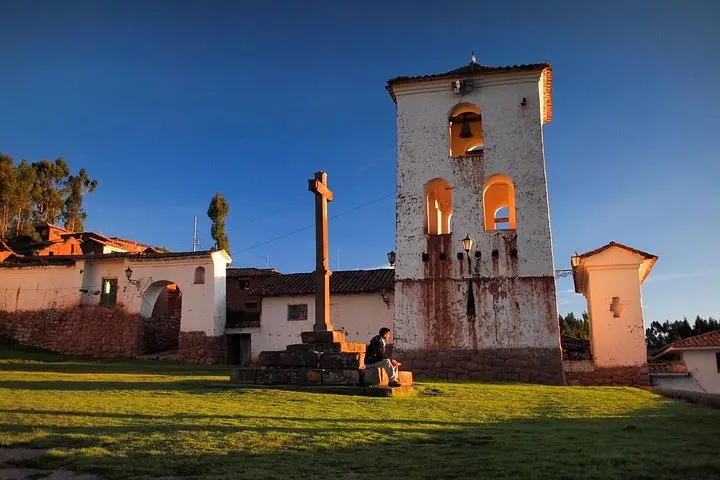
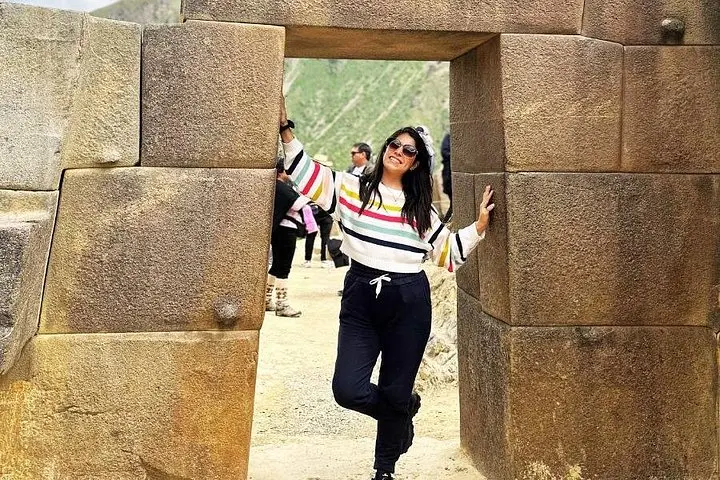
This full-day loop from Cusco moves through living communities — Chinchero’s colonial church built on Inca foundations, Moray’s experimental agricultural rings that created microclimates, the honeycomb of Salineras de Maras where families harvest salt from spring-fed pools, and the fortress-terraces of Ollantaytambo. Geology here is raw: uplifted volcanic tuffs and deep river-cut valleys create sharp ecological layers; elevation changes produce temperature bands the Incas exploited for crops.
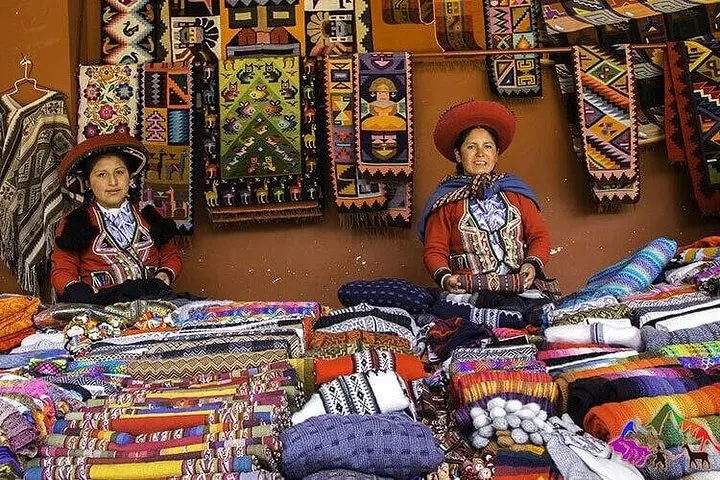
Culturally the route reveals continuity: Quechua weaving traditions in Chinchero, communal salt rights at Maras, and centuries-old irrigation on Pisaq. Local markets hum with corn, pottery and alpaca textiles.
Practically, expect a long day — 12 hours including multiple short walks on uneven stone and steep steps at altitude (3,000–3,500 m). Bring layers, water and sunscreen; take it slow to adjust to thin air. Lunch is a buffet in Urubamba; admission fees for specific sites may be extra. The tour uses an air‑conditioned vehicle and includes a bilingual guide and pickup from Cusco hotels. Early start and late return mean planning rest in Cusco the next day. Travel light, carry cash for market purchases, and remain on paths to protect fragile terraces. Photography is excellent but respect private property and local customs.
Some archaeological sites may require separate entrance fees or a Boleto Turístico; the tour often covers transport and guide but not all admissions.
Symptoms are common; rest, hydrate, avoid heavy exertion first day, and consider acetazolamide if you consult a doctor beforehand.
Yes — the tour includes hotel pickup in Cusco, typically starting early around 6:30 a.m.
Yes — the tour notes it can handle dietary restrictions; mention needs when booking and at pickup.
ATV CUSCO ADVENTURES ON WHEELS operates guided outdoor trips and adventures with an emphasis on safety, stewardship, and memorable experiences.
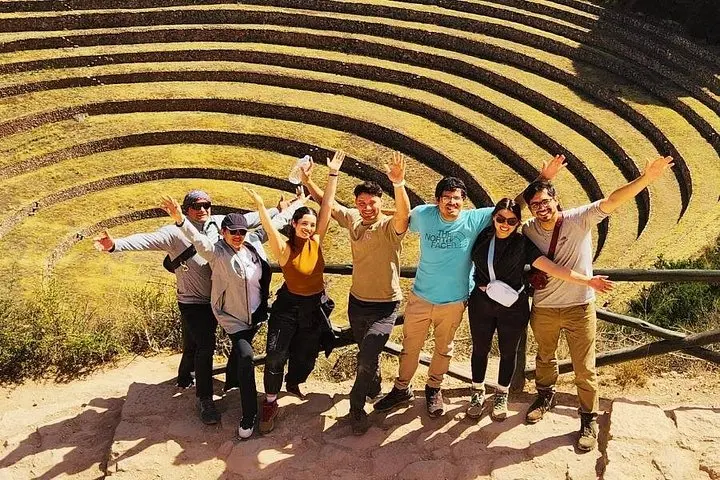
Morning light cuts across the Andean bowl at Moray, where circular terraces step down like an amphitheater for the sky. Cool wind pushes at your jacket; salt-scented pools sparkle on a hillside nearby, and a guide gestures toward stonework that still sheds water precisely where the Incas engineered it to fall.
Morning light cuts across the Andean bowl at Moray, where circular terraces step down like an amphitheater for the sky. Cool wind pushes at your jacket; salt-scented pools sparkle on a hillside nearby, and a guide gestures toward stonework that still sheds water precisely where the Incas engineered it to fall.
This full-day loop from Cusco moves through living communities — Chinchero’s colonial church built on Inca foundations, Moray’s experimental agricultural rings that created microclimates, the honeycomb of Salineras de Maras where families harvest salt from spring-fed pools, and the fortress-terraces of Ollantaytambo. Geology here is raw: uplifted volcanic tuffs and deep river-cut valleys create sharp ecological layers; elevation changes produce temperature bands the Incas exploited for crops.
Culturally the route reveals continuity: Quechua weaving traditions in Chinchero, communal salt rights at Maras, and centuries-old irrigation on Pisaq. Local markets hum with corn, pottery and alpaca textiles.
Practically, expect a long day — 12 hours including multiple short walks on uneven stone and steep steps at altitude (3,000–3,500 m). Bring layers, water and sunscreen; take it slow to adjust to thin air. Lunch is a buffet in Urubamba; admission fees for specific sites may be extra. The tour uses an air‑conditioned vehicle and includes a bilingual guide and pickup from Cusco hotels. Early start and late return mean planning rest in Cusco the next day. Travel light, carry cash for market purchases, and remain on paths to protect fragile terraces. Photography is excellent but respect private property and local customs.