THE ADVENTURE COLLECTIVE® · Independent discovery and booking for outdoor travel

Spend a full day exploring the Sacred Valley’s best-known sites: Pisac’s ruins and market, a buffet lunch in Urubamba, Ollantaytambo’s inhabited Inca streets, and Chinchero’s textile demonstrations. This accessible 11‑hour loop blends archaeology, living culture and valley views.
Spend a full day exploring the Sacred Valley’s best-known sites: Pisac’s ruins and market, a buffet lunch in Urubamba, Ollantaytambo’s inhabited Inca streets, and Chinchero’s textile demonstrations. This accessible 11‑hour loop blends archaeology, living culture and valley views.
The morning light over the Sacred Valley slices across terraced hills as the van winds down from Cusco—stone walls catching sun, llamas lifting their heads as travelers step out to stretch. On this one-day loop visitors move from Pisac’s hilltop ruins to a buffet in Urubamba, then into the living Inca streets of Ollantaytambo before finishing with textile demonstrations in Chinchero.
Verified experiences and guided adventures in the surrounding area.
Operated by Machu Picchu Road Trip · Urubamba, Cusco
The morning light over the Sacred Valley slices across terraced hills as the van winds down from Cusco—stone walls catching sun, llamas lifting their heads as travelers step out to stretch. On this one-day loop visitors move from Pisac’s hilltop ruins to a buffet in Urubamba, then into the living Inca streets of Ollantaytambo before finishing with textile demonstrations in Chinchero.
The valley’s history is blunt and practical: a corridor the Incas engineered for agriculture, administration and movement between the highlands and the jungle. Geology here is compacted sediment and volcanic ash carved by the Urubamba River; terraces cling where steep slopes demand human control. Culture is immediate—markets in Pisac and the colonial church at Chinchero reveal layers of pre-Columbian craft, Spanish influence and contemporary Quechua life.
Expect uneven stone steps at archaeological sites, short uphill walks to viewpoints, and a full day of standing and light hiking—total tour time is about 11 hours. Guides will explain terraces, irrigation channels and the textile dyeing process; photography is welcomed but follow local guidance at demonstrations.
Practical tips: start with a light, salty breakfast and bring water and layered clothing—the valley warms fast but mornings are cool. Carry small bills for markets and tip guides if service is good. Allow extra time to acclimatize in Cusco before the tour to reduce altitude effects. The day balances cultural immersion and accessible walking—ideal for curious travelers who want a concentrated introduction to the Sacred Valley’s living archaeology and craft traditions.
Admission is not included in this tour price; guides will advise where tickets are required and how to purchase them.
This is an approximate 11‑hour day tour that typically departs from central Cusco with group transport and returns the same day.
Yes—buffet lunch in Urubamba is included and offers regional Peruvian dishes suitable for most diets; notify the operator of restrictions ahead of time.
Altitude can affect travelers; hydrate, avoid alcohol the night before, and consider coca tea or medication if you have prior sensitivity—consult a physician if concerned.
Machu Picchu Road Trip operates guided outdoor trips and adventures with an emphasis on safety, stewardship, and memorable experiences.
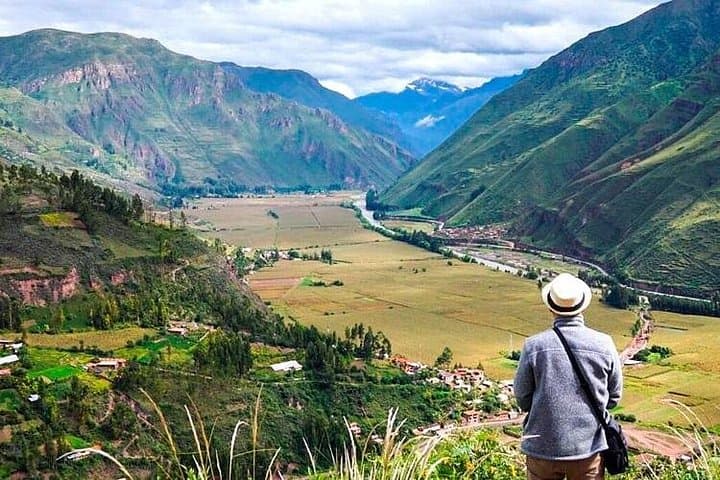
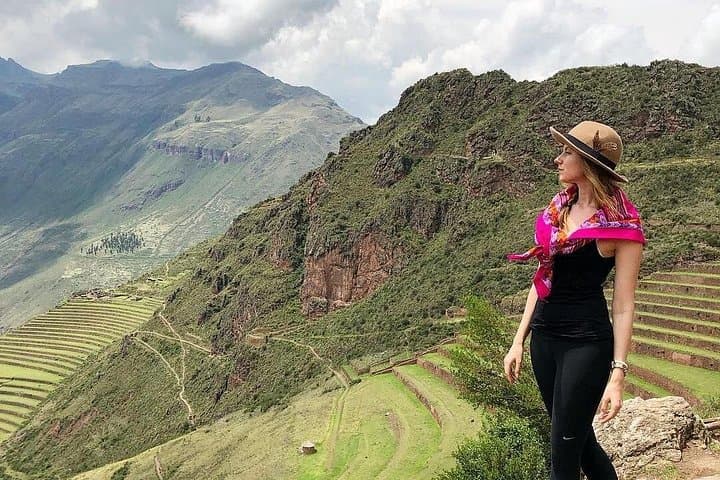
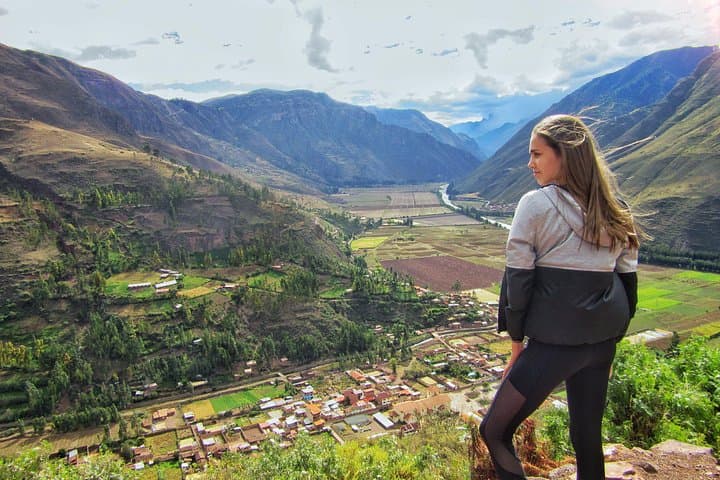
The morning light over the Sacred Valley slices across terraced hills as the van winds down from Cusco—stone walls catching sun, llamas lifting their heads as travelers step out to stretch. On this one-day loop visitors move from Pisac’s hilltop ruins to a buffet in Urubamba, then into the living Inca streets of Ollantaytambo before finishing with textile demonstrations in Chinchero.
The morning light over the Sacred Valley slices across terraced hills as the van winds down from Cusco—stone walls catching sun, llamas lifting their heads as travelers step out to stretch. On this one-day loop visitors move from Pisac’s hilltop ruins to a buffet in Urubamba, then into the living Inca streets of Ollantaytambo before finishing with textile demonstrations in Chinchero.
The valley’s history is blunt and practical: a corridor the Incas engineered for agriculture, administration and movement between the highlands and the jungle. Geology here is compacted sediment and volcanic ash carved by the Urubamba River; terraces cling where steep slopes demand human control. Culture is immediate—markets in Pisac and the colonial church at Chinchero reveal layers of pre-Columbian craft, Spanish influence and contemporary Quechua life.
Expect uneven stone steps at archaeological sites, short uphill walks to viewpoints, and a full day of standing and light hiking—total tour time is about 11 hours. Guides will explain terraces, irrigation channels and the textile dyeing process; photography is welcomed but follow local guidance at demonstrations.
Practical tips: start with a light, salty breakfast and bring water and layered clothing—the valley warms fast but mornings are cool. Carry small bills for markets and tip guides if service is good. Allow extra time to acclimatize in Cusco before the tour to reduce altitude effects. The day balances cultural immersion and accessible walking—ideal for curious travelers who want a concentrated introduction to the Sacred Valley’s living archaeology and craft traditions.