THE ADVENTURE COLLECTIVE® · Independent discovery and booking for outdoor travel

A full-day loop from Cusco through the Sacred Valley—visit Chincheros, Moray’s concentric terraces, the Maras salt pans, lunch in Urubamba, Ollantaytambo’s fortress and Pisac ruins. High-altitude history and striking Andean engineering in one long, photo-ready day.
A full-day loop from Cusco through the Sacred Valley—visit Chincheros, Moray’s concentric terraces, the Maras salt pans, lunch in Urubamba, Ollantaytambo’s fortress and Pisac ruins. High-altitude history and striking Andean engineering in one long, photo-ready day.
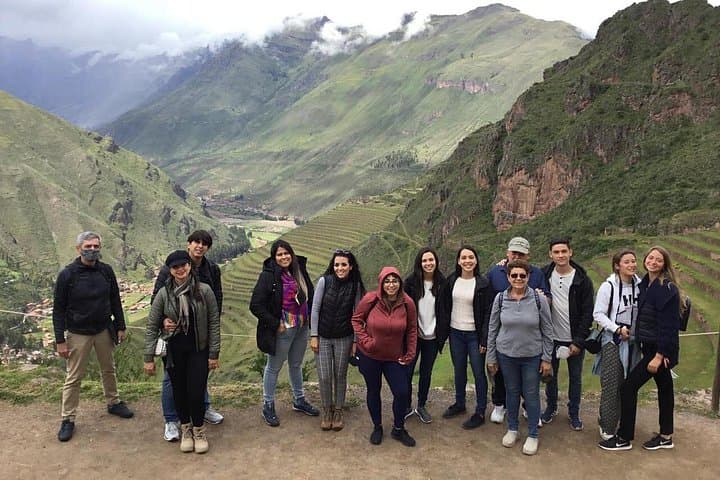
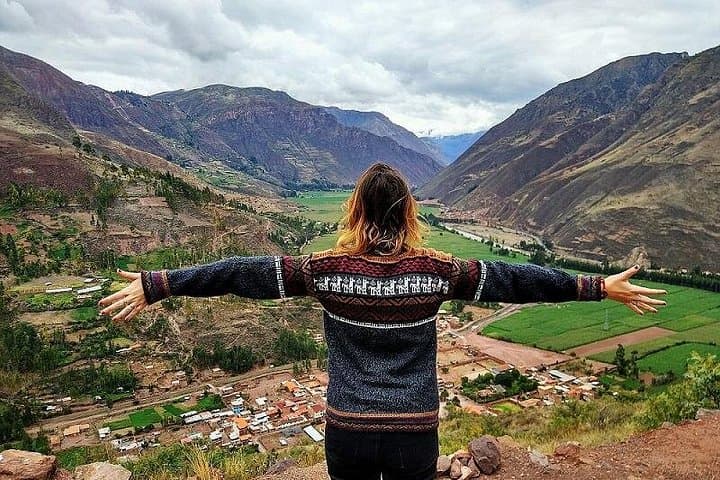
You leave Cusco before sunrise, windows fogging as the bus climbs out of the city and into the broad incision of the Urubamba River valley. High terraces and sun-bleached stone appear, and the air thins—this is a landscape that made agriculture itself into architecture.
Verified experiences and guided adventures in the surrounding area.
Operated by Sun Paths · Cusco, Cusco
You leave Cusco before sunrise, windows fogging as the bus climbs out of the city and into the broad incision of the Urubamba River valley. High terraces and sun-bleached stone appear, and the air thins—this is a landscape that made agriculture itself into architecture.
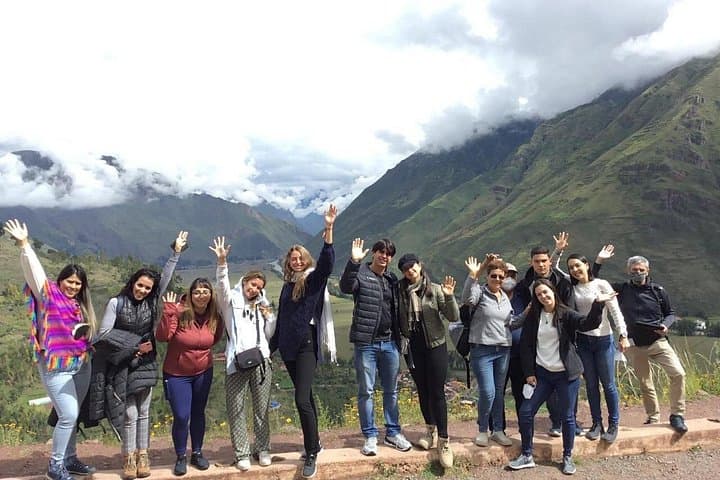
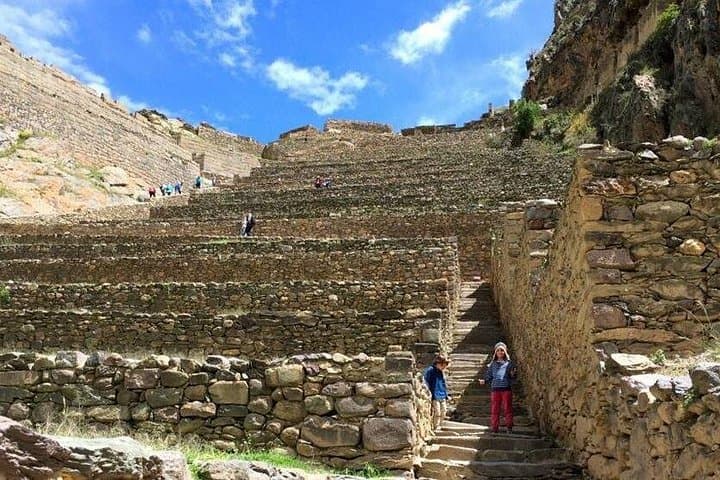
The route threads living Inca sites: Chincheros’ colonial plaza and straight Inca masonry, the concentric experimental terraces of Moray (about 3,500 m) that read like an open-air laboratory, the glittering pools of the Maras salt pans fed by an ancient saline spring, then lunch in Urubamba and the steep, stair-cut fortress of Ollantaytambo before a late walk through Pisac ruins and market. Geologically the valley is a product of Andean uplift and river incision; culturally it is an agricultural heartland where terrace engineering and textile craft persist.
Expect short uphill walks, stone steps, and altitude shifts between roughly 2,800–3,500 meters; Ollantaytambo’s climb and the Moray descent involve uneven footing. Practical details: pickup is early (about 6:30–6:55 a.m.), the full loop is roughly 13 hours, and a regional tourist ticket (~70 soles) is required for many sites (buyable at entrances). Bring layers for sun to cold swings, a hat and sunscreen for strong high‑altitude UV, and local currency for small purchases. The tour moves at a steady pace—good for travelers who want cultural context and photography without multi-day trekking. Hydrate well the day before and plan for a full, long day of standing, stairs, and spectacular highland light.
A regional tourist ticket (approx. 70 soles) covers many sites and can be purchased at entrances the same day; Maras charge a small additional fee (~10 soles). Bring cash.
The Sacred Valley ranges roughly 2,800–3,500 m; travelers can feel shortness of breath or mild headaches—allow a day to acclimate in Cusco, stay hydrated, and use the provided oxygen if needed.
Yes, the itinerary includes a buffet lunch in Urubamba featuring regional and Novo-Andean dishes; bring snacks if you have dietary restrictions and notify at booking.
This tour is listed as ‘easy’ physically but is not recommended for travelers with serious spinal issues or pregnancy due to long duration, vehicle travel, and stair climbs at sites.
Sun Paths operates guided outdoor trips and adventures with an emphasis on safety, stewardship, and memorable experiences.
You leave Cusco before sunrise, windows fogging as the bus climbs out of the city and into the broad incision of the Urubamba River valley. High terraces and sun-bleached stone appear, and the air thins—this is a landscape that made agriculture itself into architecture.
You leave Cusco before sunrise, windows fogging as the bus climbs out of the city and into the broad incision of the Urubamba River valley. High terraces and sun-bleached stone appear, and the air thins—this is a landscape that made agriculture itself into architecture.
The route threads living Inca sites: Chincheros’ colonial plaza and straight Inca masonry, the concentric experimental terraces of Moray (about 3,500 m) that read like an open-air laboratory, the glittering pools of the Maras salt pans fed by an ancient saline spring, then lunch in Urubamba and the steep, stair-cut fortress of Ollantaytambo before a late walk through Pisac ruins and market. Geologically the valley is a product of Andean uplift and river incision; culturally it is an agricultural heartland where terrace engineering and textile craft persist.
Expect short uphill walks, stone steps, and altitude shifts between roughly 2,800–3,500 meters; Ollantaytambo’s climb and the Moray descent involve uneven footing. Practical details: pickup is early (about 6:30–6:55 a.m.), the full loop is roughly 13 hours, and a regional tourist ticket (~70 soles) is required for many sites (buyable at entrances). Bring layers for sun to cold swings, a hat and sunscreen for strong high‑altitude UV, and local currency for small purchases. The tour moves at a steady pace—good for travelers who want cultural context and photography without multi-day trekking. Hydrate well the day before and plan for a full, long day of standing, stairs, and spectacular highland light.