THE ADVENTURE COLLECTIVE® · Independent discovery and booking for outdoor travel

A five-day alternative to the Inca Trail, the Salkantay Trek moves from glacial passes to cloud forest before arriving at Machu Picchu. This guide outlines what to expect—terrain, culture, and practical tips for high-altitude trekking.
A five-day alternative to the Inca Trail, the Salkantay Trek moves from glacial passes to cloud forest before arriving at Machu Picchu. This guide outlines what to expect—terrain, culture, and practical tips for high-altitude trekking.
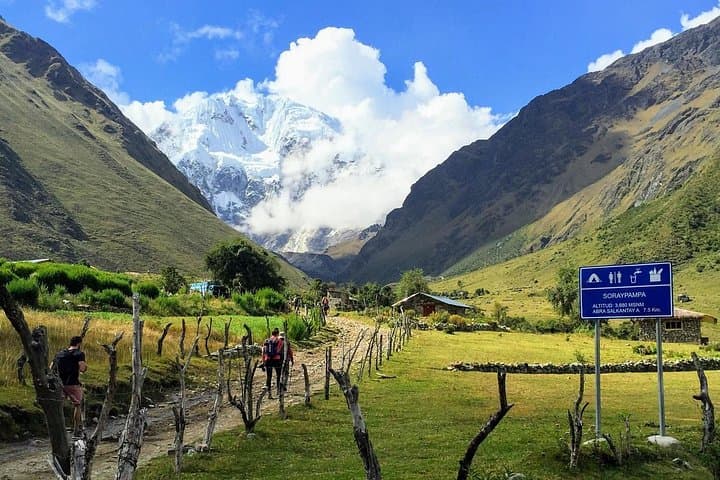
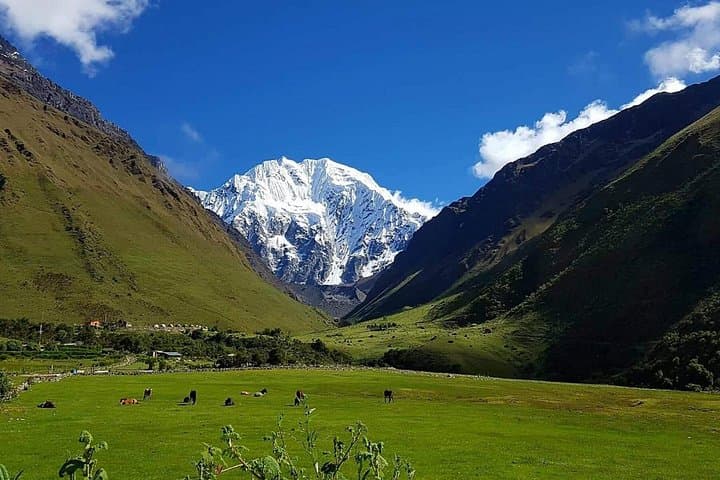
Dawn arrives cold and sharp on the Salkantay shoulders, light skimming glacial ridges while low clouds curl into the jungle valleys below.
Verified experiences and guided adventures in the surrounding area.
Operated by Andes Peru Travel · Cusco, Cusco
Dawn arrives cold and sharp on the Salkantay shoulders, light skimming glacial ridges while low clouds curl into the jungle valleys below.
On this five-day route you move from windswept high passes to warm cloud forest—an Inca-era corridor that rivals the better-known path to Machu Picchu. The trail climbs from about 2,100 m (6,900 ft) to the Salkantay Pass near 4,650 m (15,255 ft), then descends through puna, subtropical shrubs and finally the humid Amazonian rim before finishing at Aguas Calientes and Machu Picchu.
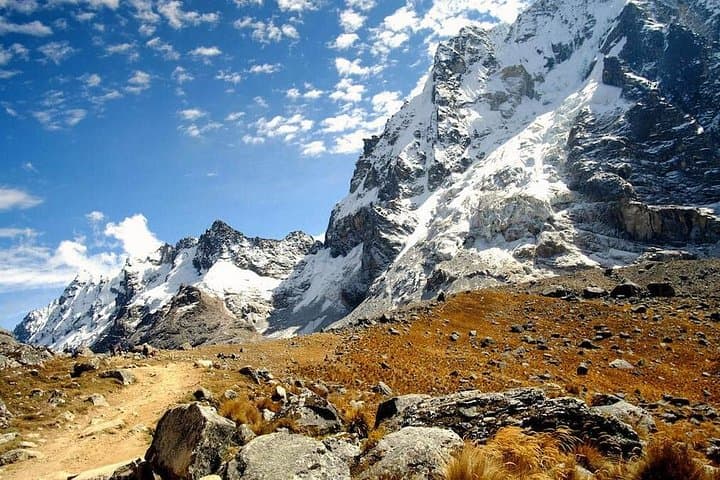
Geology here reads like a chapter in mountain building: granite cores, glacial polish and steep flanks carved by past ice. Salkantay itself is an Apu—a mountain with spiritual significance to Quechua communities—and you'll pass small settlements and terraces that still grow native crops and coffee.
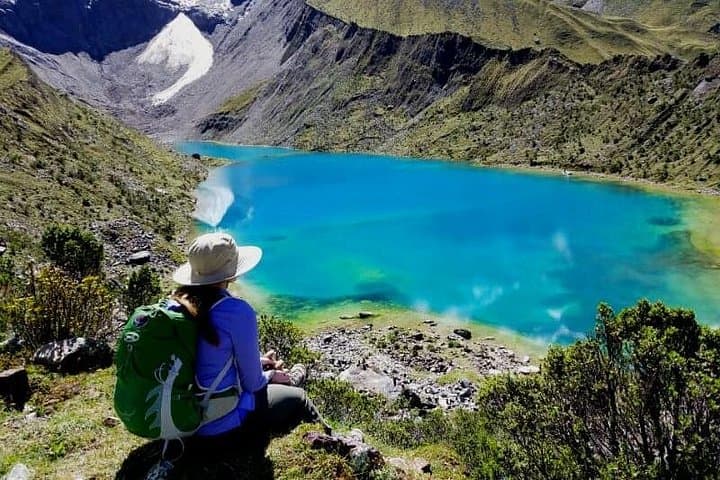
Expect hand-built camps, porters and horse support, and a mixture of rocky ascents, gravel switchbacks and tropical dirt trails that can become slick in rain. Highlights include Humantay Lake, the Salkantay viewpoint and the Llactapata Inca outlook near the Urubamba gorge.
Practical guidance: acclimatize in Cusco for 48 hours if possible, carry layers for wide temperature swings, and plan for early starts when the mountain is clearest. Hydration and sun protection matter as much as a solid pair of boots. Guides handle logistics—meals, tents, permits and train connections—so your focus is on rhythm: step, breathe, look up, and let the mountain shape the day's pace.
No single national permit like the Inca Trail is required for the Salkantay route, but Machu Picchu entrance tickets and the train to Ollantaytambo/Aguas Calientes must be purchased in advance.
The pass reaches about 4,650 m; even fit hikers can feel breathless—acclimatization and slow pacing greatly reduce risk of AMS.
Guided groups typically include porters, tents, sleeping pads and most meals; confirm whether sleeping bags are supplied or if you must rent your own.
Basic multi-day hiking experience is recommended; the route includes steep, rocky sections and long days—consider training hikes and consulting your operator.
Andes Peru Travel operates guided outdoor trips and adventures with an emphasis on safety, stewardship, and memorable experiences.
Dawn arrives cold and sharp on the Salkantay shoulders, light skimming glacial ridges while low clouds curl into the jungle valleys below.
Dawn arrives cold and sharp on the Salkantay shoulders, light skimming glacial ridges while low clouds curl into the jungle valleys below.
On this five-day route you move from windswept high passes to warm cloud forest—an Inca-era corridor that rivals the better-known path to Machu Picchu. The trail climbs from about 2,100 m (6,900 ft) to the Salkantay Pass near 4,650 m (15,255 ft), then descends through puna, subtropical shrubs and finally the humid Amazonian rim before finishing at Aguas Calientes and Machu Picchu.
Geology here reads like a chapter in mountain building: granite cores, glacial polish and steep flanks carved by past ice. Salkantay itself is an Apu—a mountain with spiritual significance to Quechua communities—and you'll pass small settlements and terraces that still grow native crops and coffee.
Expect hand-built camps, porters and horse support, and a mixture of rocky ascents, gravel switchbacks and tropical dirt trails that can become slick in rain. Highlights include Humantay Lake, the Salkantay viewpoint and the Llactapata Inca outlook near the Urubamba gorge.
Practical guidance: acclimatize in Cusco for 48 hours if possible, carry layers for wide temperature swings, and plan for early starts when the mountain is clearest. Hydration and sun protection matter as much as a solid pair of boots. Guides handle logistics—meals, tents, permits and train connections—so your focus is on rhythm: step, breathe, look up, and let the mountain shape the day's pace.