THE ADVENTURE COLLECTIVE® · Independent discovery and booking for outdoor travel

Board a scenic tourist train from the Sacred Valley and arrive at Machu Picchu for a guided exploration of the Inca citadel. This full-day tour combines river gorge views, a bus climb to the ruins, and practical logistics for a single-day visit from Cusco.
Board a scenic tourist train from the Sacred Valley and arrive at Machu Picchu for a guided exploration of the Inca citadel. This full-day tour combines river gorge views, a bus climb to the ruins, and practical logistics for a single-day visit from Cusco.
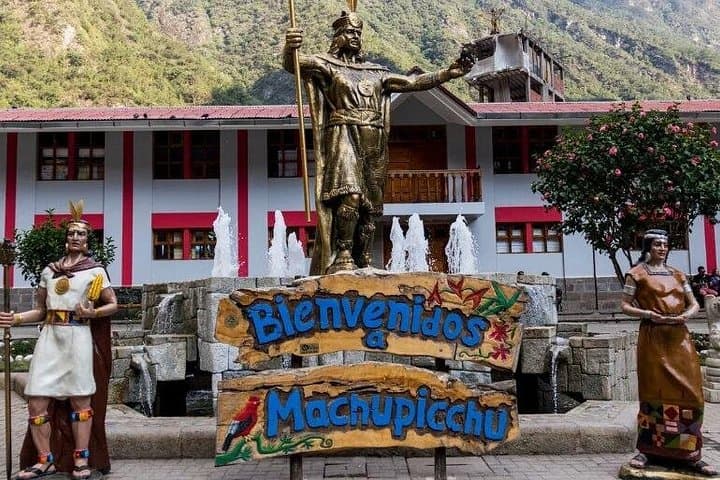
You leave Cusco before dawn and the Andes open like a changing map through the train window: terraced hills, the Urubamba River darting below, and villages clinging to slopes. The carriage rocks in a steady rhythm as the line threads Ollantaytambo and follows a river-cut gorge toward Aguas Calientes — the small town that serves as the gateway to Machu Picchu.
Verified experiences and guided adventures in the surrounding area.
Operated by ATV CUSCO ADVENTURES ON WHEELS · Aguas Calientes, Cusco Region
You leave Cusco before dawn and the Andes open like a changing map through the train window: terraced hills, the Urubamba River darting below, and villages clinging to slopes. The carriage rocks in a steady rhythm as the line threads Ollantaytambo and follows a river-cut gorge toward Aguas Calientes — the small town that serves as the gateway to Machu Picchu.
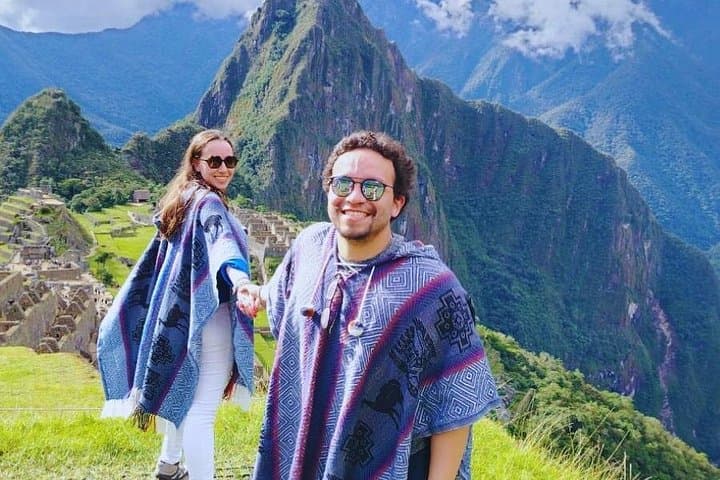
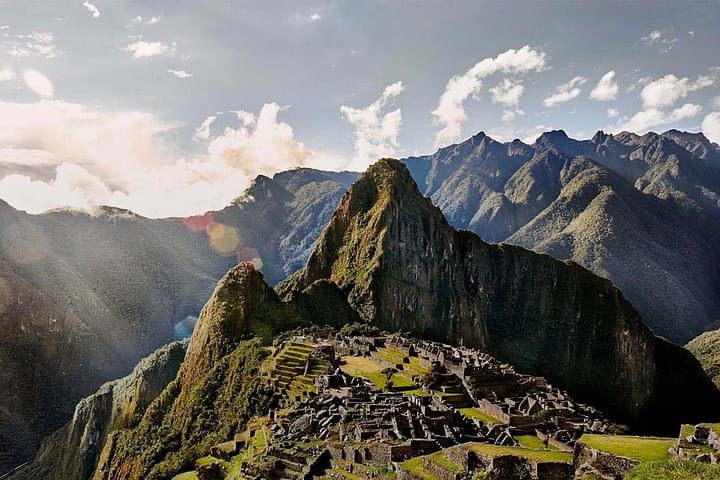
Machu Picchu perches on a granite spine above the cloud forest, created where Andean uplift met river erosion. The site dates to the 15th century and showcases precise ashlar masonry, agricultural terraces, and alignments that reflect Inca cosmology and practical engineering. Nearby, the Sacred Valley communities still speak Quechua and maintain weaving and farming traditions that helped sustain the citadel centuries ago.
Practical notes fold into the experience: the tour includes round-trip tourist-class train tickets, a bus transfer up the switchback road, and a guided visit inside the Historical Sanctuary. Entrance requires a passport and a timed ticket; timing is strict. Expect uneven stone paths, short steep sections, and frequent photo stops. Weather shifts fast — morning mist can burn off into bright sun by noon.
To make the day run smoothly, acclimatize in Cusco for 24–48 hours if possible, carry a small daypack with water (1–1.5 L), sun protection, and a light waterproof layer. Use comfortable, grippy shoes for stone steps. Allow time for lunch in Aguas Calientes before the return train, and double-check your train time: missing it can lengthen the trip. This itinerary turns the train ride into more than transport — it’s the slow entrance to one of the Andes’ most intense cultural landscapes.
Yes. Your passport must match the name on your entrance ticket and will be checked at the site.
Very strict — tickets specify departure times; missing a train can require purchasing a new ticket or waiting many hours for the next service.
The itinerary is suitable for most ages, but visitors should be able to navigate uneven steps and manage altitude; free movement on-site varies by ability.
No — lunch in Aguas Calientes is typically on your own; the itinerary provides transportation, guide services, train and entrance fees.
ATV CUSCO ADVENTURES ON WHEELS operates guided outdoor trips and adventures with an emphasis on safety, stewardship, and memorable experiences.
You leave Cusco before dawn and the Andes open like a changing map through the train window: terraced hills, the Urubamba River darting below, and villages clinging to slopes. The carriage rocks in a steady rhythm as the line threads Ollantaytambo and follows a river-cut gorge toward Aguas Calientes — the small town that serves as the gateway to Machu Picchu.
You leave Cusco before dawn and the Andes open like a changing map through the train window: terraced hills, the Urubamba River darting below, and villages clinging to slopes. The carriage rocks in a steady rhythm as the line threads Ollantaytambo and follows a river-cut gorge toward Aguas Calientes — the small town that serves as the gateway to Machu Picchu.
Machu Picchu perches on a granite spine above the cloud forest, created where Andean uplift met river erosion. The site dates to the 15th century and showcases precise ashlar masonry, agricultural terraces, and alignments that reflect Inca cosmology and practical engineering. Nearby, the Sacred Valley communities still speak Quechua and maintain weaving and farming traditions that helped sustain the citadel centuries ago.
Practical notes fold into the experience: the tour includes round-trip tourist-class train tickets, a bus transfer up the switchback road, and a guided visit inside the Historical Sanctuary. Entrance requires a passport and a timed ticket; timing is strict. Expect uneven stone paths, short steep sections, and frequent photo stops. Weather shifts fast — morning mist can burn off into bright sun by noon.
To make the day run smoothly, acclimatize in Cusco for 24–48 hours if possible, carry a small daypack with water (1–1.5 L), sun protection, and a light waterproof layer. Use comfortable, grippy shoes for stone steps. Allow time for lunch in Aguas Calientes before the return train, and double-check your train time: missing it can lengthen the trip. This itinerary turns the train ride into more than transport — it’s the slow entrance to one of the Andes’ most intense cultural landscapes.