THE ADVENTURE COLLECTIVE® · Independent discovery and booking for outdoor travel

Traverse Cusco’s imperial streets, the Sacred Valley’s terraces, a guided Machu Picchu visit and the 5,033 m spectacle of Vinicunca in five active days. This tour mixes archaeology, geology and high‑altitude trekking with practical transport links by train and bus.
Traverse Cusco’s imperial streets, the Sacred Valley’s terraces, a guided Machu Picchu visit and the 5,033 m spectacle of Vinicunca in five active days. This tour mixes archaeology, geology and high‑altitude trekking with practical transport links by train and bus.
You step out into thin mountain air as dawn unfurls over Plaza de Armas — the city still yawning, church bells distant, and a coach idles with luggage stacked high.
Verified experiences and guided adventures in the surrounding area.
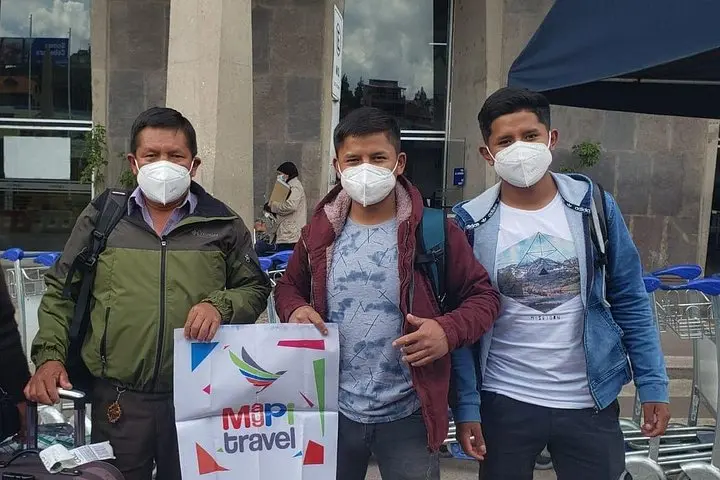
Operated by Maypi Travel · Cusco, Cusco
You step out into thin mountain air as dawn unfurls over Plaza de Armas — the city still yawning, church bells distant, and a coach idles with luggage stacked high.
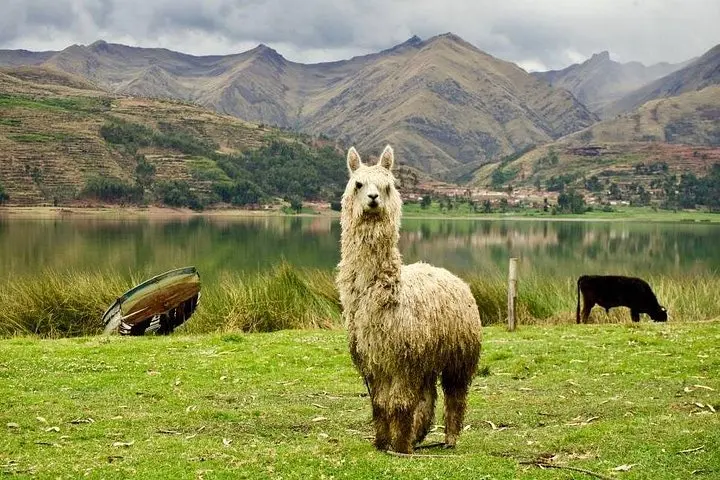
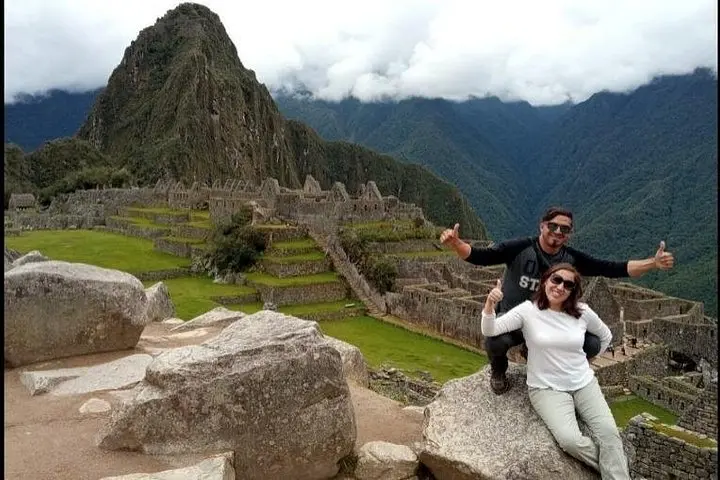
This five-day itinerary threads modern Cusco, the agricultural terraces of the Sacred Valley, the rumble of the tourist train to Aguas Calientes, a guided circuit through Machu Picchu (≈2,430 m), and the high, color-streaked slopes of Vinicunca (Rainbow Mountain, 5,033 m). The route follows Inca roads, river valleys carved by glacial melt, and puna grasslands where wind seems to push you along.
History is constant here: Inca terraces and ceremonial centers at Pisac and Ollantaytambo speak to agricultural engineering and imperial logistics that shaped Andean settlement. Geology reveals uplifted sedimentary bands and iron-oxide staining that give Vinicunca its stripes; glaciers and rivers sculpted the Sacred Valley’s steep terraces over millennia.
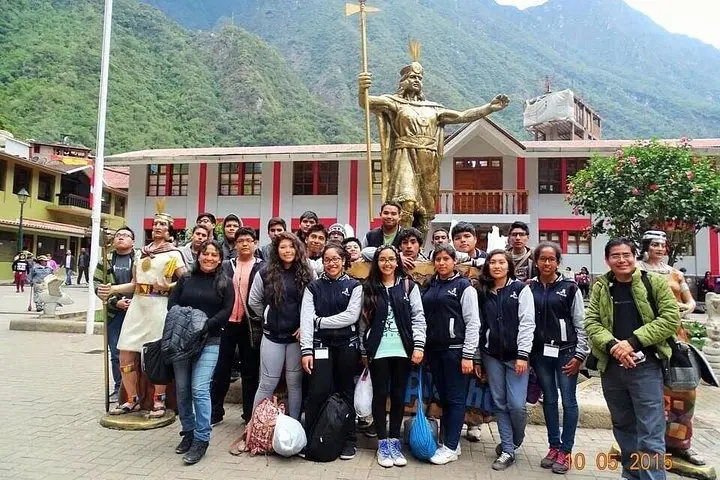
Locally, Quechua culture remains visible in market stalls, woven textiles, and highland farming rhythms. Guides translate both landscape and custom, pointing out agricultural microclimates and altitudinal crops.
Practical guidance: expect long travel windows (train + bus segments), steep short hikes, and significant altitude change—plan 48 hours of light activity in Cusco before climbing above 3,500 m. Footing ranges from paved village roads to rocky mountain trails with loose scree near Vinicunca; carry layered clothing, sunscreen, water, and altitude remedies. Timings favor early departures to avoid afternoon weather and to secure Machu Picchu entry slots. With preparation, the sequence of ruins, valleys, and high‑altitude colors is both achievable and unforgettable.
Plan two nights in Cusco with light activity on the first full day; this helps your body begin to acclimatize before ascending above 3,500 m.
This tour includes a tourist-class round-trip train (Inca Rail or Peru Rail) from Ollantaytambo to Aguas Calientes and the roundtrip bus to Machu Picchu.
Expect a 2–3 hour uphill walk from the trailhead with steep sections to reach 5,033 m—short but physically demanding because of altitude and loose ground.
The itinerary lists breakfasts and several lunches, including a full-day Machu Picchu lunch; confirm any dietary needs when booking.
Maypi Travel operates guided outdoor trips and adventures with an emphasis on safety, stewardship, and memorable experiences.
You step out into thin mountain air as dawn unfurls over Plaza de Armas — the city still yawning, church bells distant, and a coach idles with luggage stacked high.
You step out into thin mountain air as dawn unfurls over Plaza de Armas — the city still yawning, church bells distant, and a coach idles with luggage stacked high.
This five-day itinerary threads modern Cusco, the agricultural terraces of the Sacred Valley, the rumble of the tourist train to Aguas Calientes, a guided circuit through Machu Picchu (≈2,430 m), and the high, color-streaked slopes of Vinicunca (Rainbow Mountain, 5,033 m). The route follows Inca roads, river valleys carved by glacial melt, and puna grasslands where wind seems to push you along.
History is constant here: Inca terraces and ceremonial centers at Pisac and Ollantaytambo speak to agricultural engineering and imperial logistics that shaped Andean settlement. Geology reveals uplifted sedimentary bands and iron-oxide staining that give Vinicunca its stripes; glaciers and rivers sculpted the Sacred Valley’s steep terraces over millennia.
Locally, Quechua culture remains visible in market stalls, woven textiles, and highland farming rhythms. Guides translate both landscape and custom, pointing out agricultural microclimates and altitudinal crops.
Practical guidance: expect long travel windows (train + bus segments), steep short hikes, and significant altitude change—plan 48 hours of light activity in Cusco before climbing above 3,500 m. Footing ranges from paved village roads to rocky mountain trails with loose scree near Vinicunca; carry layered clothing, sunscreen, water, and altitude remedies. Timings favor early departures to avoid afternoon weather and to secure Machu Picchu entry slots. With preparation, the sequence of ruins, valleys, and high‑altitude colors is both achievable and unforgettable.