THE ADVENTURE COLLECTIVE® · Independent discovery and booking for outdoor travel

A flexible private transfer from Cusco to Ollantaytambo that stops at Chinchero, Moray and the Maras salt pans. Expect textile demonstrations, pre-Inca agricultural terraces and salt-evaporation ponds, with time for markets and photos.
A flexible private transfer from Cusco to Ollantaytambo that stops at Chinchero, Moray and the Maras salt pans. Expect textile demonstrations, pre-Inca agricultural terraces and salt-evaporation ponds, with time for markets and photos.
You roll out of Cusco before the sun climbs hard over the high Andes and the valley opens like a map. The road to Ollantaytambo threads through puna grass, stone walls, and villages where alpaca fleece dries on lines; wind and altitude push against you, but the landscape rewards each mile with stepped fields and glinting salt pans.
Verified experiences and guided adventures in the surrounding area.
Operated by Palomino TAXI TOUR · Ollantaytambo, Cusco
You roll out of Cusco before the sun climbs hard over the high Andes and the valley opens like a map. The road to Ollantaytambo threads through puna grass, stone walls, and villages where alpaca fleece dries on lines; wind and altitude push against you, but the landscape rewards each mile with stepped fields and glinting salt pans.
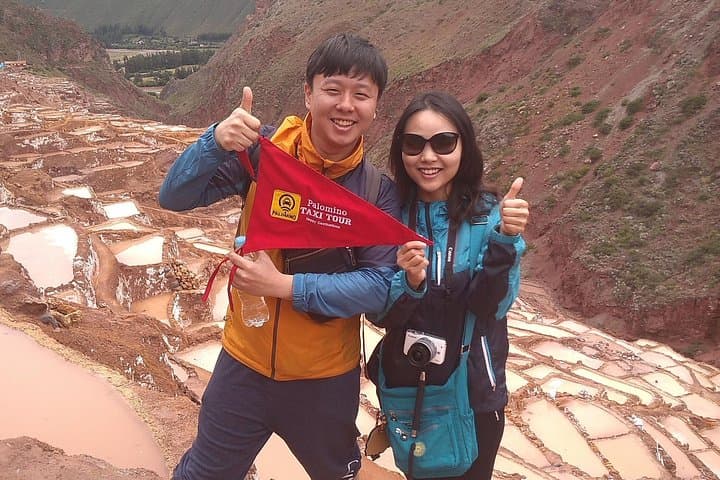
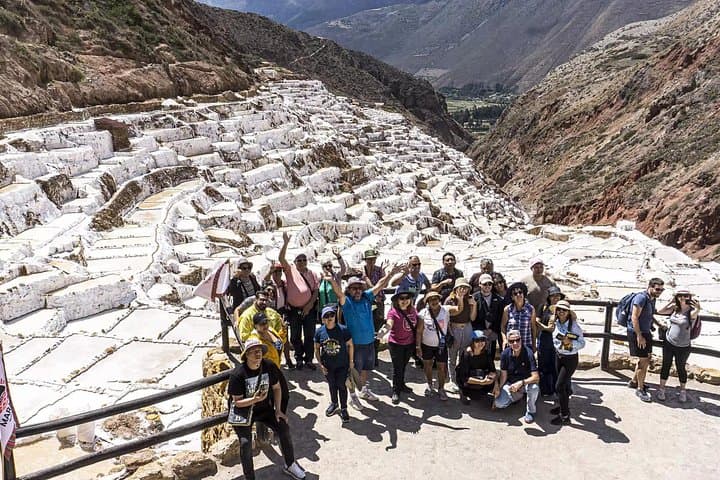
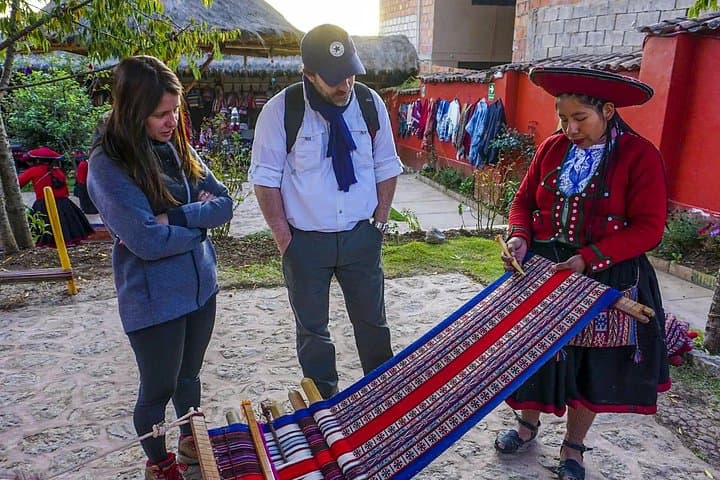
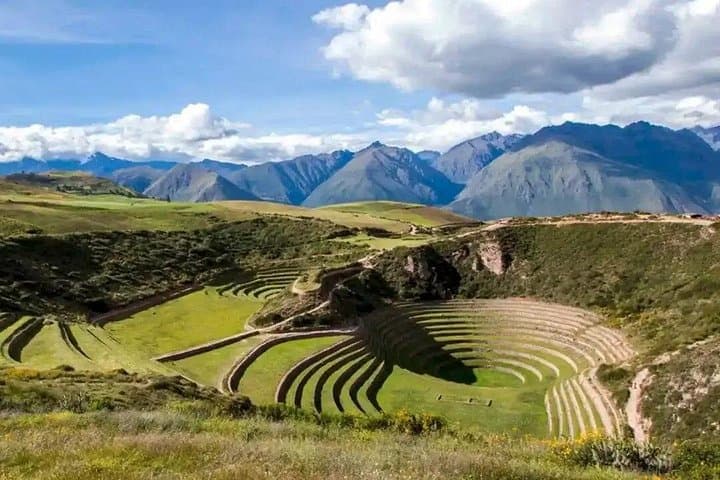
Chinchero greets you with a market and living weaving traditions—women still dye wool with native plants and explain patterns that trace Inca kinship. A short drive drops into Moray, where concentric agricultural terraces read like a sunken amphitheater: the Incas engineered microclimates here to test crops, trading elevation for temperature control. Nearby, Maras’ salt pans cling to a hillside; terraces of shallow pools evaporate under the sun, capturing mineral brine the locals have managed since pre-Inca times.
Ollantaytambo itself is both fortress and functioning town—granite blocks, narrow streets, and terraces that once controlled the Sacred Valley. The geology shifts from volcanic tuff to compacted alluvium, and the rivers dare you to step closer for a better photograph.
Practical guidance: this private 7–8 hour transfer is flexible—plan for 7–8 hours on the road, with stops for photos, markets, and short walks. Altitude ranges 3,000–3,500 m: hydrate, move slowly, and wear layered clothing and sturdy shoes for uneven terraces and cobbled streets. Bring cash for market purchases and small entrance fees. A private driver-guide lets you linger where light and crowds align—use that time for local food, textile demos, and quieter vantage points before arriving in Ollantaytambo ready for onward travel or the train to Machu Picchu.
This private transfer typically does not include entrance fees—bring cash to pay local site fees or hire local guides where required.
Plan on a 7–8 hour day including travel time and 20–60 minute stops at each site; timing varies with how long you choose to linger.
Short, manageable walks are family-friendly; some terraces and market areas are uneven so strollers may be limited—check accessibility at each stop.
Yes—this private service is designed to be flexible so you can spend extra time at markets, photo spots, or restaurants with your driver-guide’s recommendations.
Palomino TAXI TOUR operates guided outdoor trips and adventures with an emphasis on safety, stewardship, and memorable experiences.
You roll out of Cusco before the sun climbs hard over the high Andes and the valley opens like a map. The road to Ollantaytambo threads through puna grass, stone walls, and villages where alpaca fleece dries on lines; wind and altitude push against you, but the landscape rewards each mile with stepped fields and glinting salt pans.
You roll out of Cusco before the sun climbs hard over the high Andes and the valley opens like a map. The road to Ollantaytambo threads through puna grass, stone walls, and villages where alpaca fleece dries on lines; wind and altitude push against you, but the landscape rewards each mile with stepped fields and glinting salt pans.
Chinchero greets you with a market and living weaving traditions—women still dye wool with native plants and explain patterns that trace Inca kinship. A short drive drops into Moray, where concentric agricultural terraces read like a sunken amphitheater: the Incas engineered microclimates here to test crops, trading elevation for temperature control. Nearby, Maras’ salt pans cling to a hillside; terraces of shallow pools evaporate under the sun, capturing mineral brine the locals have managed since pre-Inca times.
Ollantaytambo itself is both fortress and functioning town—granite blocks, narrow streets, and terraces that once controlled the Sacred Valley. The geology shifts from volcanic tuff to compacted alluvium, and the rivers dare you to step closer for a better photograph.
Practical guidance: this private 7–8 hour transfer is flexible—plan for 7–8 hours on the road, with stops for photos, markets, and short walks. Altitude ranges 3,000–3,500 m: hydrate, move slowly, and wear layered clothing and sturdy shoes for uneven terraces and cobbled streets. Bring cash for market purchases and small entrance fees. A private driver-guide lets you linger where light and crowds align—use that time for local food, textile demos, and quieter vantage points before arriving in Ollantaytambo ready for onward travel or the train to Machu Picchu.