THE ADVENTURE COLLECTIVE® · Independent discovery and booking for outdoor travel

Explore Naha on foot with a government-licensed English guide who customizes a six-hour route through Shuri Castle, Makishi Market, and lesser-known cultural sites. Ideal for travelers who want a focused, local perspective on Okinawa’s history and living traditions.
Explore Naha on foot with a government-licensed English guide who customizes a six-hour route through Shuri Castle, Makishi Market, and lesser-known cultural sites. Ideal for travelers who want a focused, local perspective on Okinawa’s history and living traditions.
Morning light slants across Kokusai-dori as your guide leads you through the market’s clamour and into narrow lanes where tile-roofed homes hold the island’s quieter rhythms. The city smells of frying sweet potato, salt from the nearby East China Sea, and lacquered wood from craft shops; the walk-on-foot pace lets the city unfold at the human scale.
Verified experiences and guided adventures in the surrounding area.
Operated by Japan Guide Agency · Naha, Okinawa Prefecture
Morning light slants across Kokusai-dori as your guide leads you through the market’s clamour and into narrow lanes where tile-roofed homes hold the island’s quieter rhythms. The city smells of frying sweet potato, salt from the nearby East China Sea, and lacquered wood from craft shops; the walk-on-foot pace lets the city unfold at the human scale.
Naha compresses centuries into blocks: the Ryukyu Kingdom’s courtly reach centered at Shuri, postwar rebuilding around International Street, and strategic wartime history memorialized on southern ridgelines. Geologically the island is coral limestone with reef-fringed coasts; inland you’ll notice red-tiled roofs and stone walls built against frequent typhoons. Culture here is tactile — pottery studios in Tsuboya, sanshin music drifting from izakaya, and Shisa guardian statues watching street corners.
A licensed English-speaking guide tailors six hours to your interests — Shuri Castle grounds, Makishi Market’s food stalls, Sefa Utaki’s sacred rock paths, or Gyokusendo’s cave at Okinawa World are common stops. Expect stretches of easy walking, some steps at heritage sites, and short transit between neighborhoods on foot or local transport.
Practical edge: bring sun protection, comfortable shoes, a light rain layer and a small daypack for market purchases. Start early in hot months; plan for cash at smaller stalls and a respectful pace at sacred sites. The tour is accessible to most fitness levels and is ideal for travelers who want cultural depth within a compact, walkable city.
This walking tour is on foot; a guide plans a route within Naha that minimizes transit, but short public transport rides can be arranged and are typically not included.
Yes — you choose 3–4 must-see spots from the provided list and the licensed guide will tailor the six-hour route accordingly.
Yes — the tour is stroller and wheelchair accessible in many areas, though some historic sites have steps or uneven surfaces; notify the operator of needs when booking.
Guides are government-licensed English speakers; specify any additional language requests at booking but availability may vary.
Japan Guide Agency operates guided outdoor trips and adventures with an emphasis on safety, stewardship, and memorable experiences.


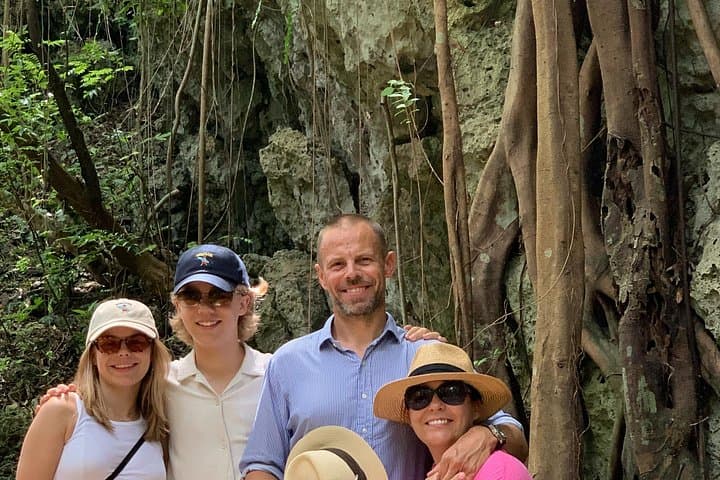

Morning light slants across Kokusai-dori as your guide leads you through the market’s clamour and into narrow lanes where tile-roofed homes hold the island’s quieter rhythms. The city smells of frying sweet potato, salt from the nearby East China Sea, and lacquered wood from craft shops; the walk-on-foot pace lets the city unfold at the human scale.
Morning light slants across Kokusai-dori as your guide leads you through the market’s clamour and into narrow lanes where tile-roofed homes hold the island’s quieter rhythms. The city smells of frying sweet potato, salt from the nearby East China Sea, and lacquered wood from craft shops; the walk-on-foot pace lets the city unfold at the human scale.
Naha compresses centuries into blocks: the Ryukyu Kingdom’s courtly reach centered at Shuri, postwar rebuilding around International Street, and strategic wartime history memorialized on southern ridgelines. Geologically the island is coral limestone with reef-fringed coasts; inland you’ll notice red-tiled roofs and stone walls built against frequent typhoons. Culture here is tactile — pottery studios in Tsuboya, sanshin music drifting from izakaya, and Shisa guardian statues watching street corners.
A licensed English-speaking guide tailors six hours to your interests — Shuri Castle grounds, Makishi Market’s food stalls, Sefa Utaki’s sacred rock paths, or Gyokusendo’s cave at Okinawa World are common stops. Expect stretches of easy walking, some steps at heritage sites, and short transit between neighborhoods on foot or local transport.
Practical edge: bring sun protection, comfortable shoes, a light rain layer and a small daypack for market purchases. Start early in hot months; plan for cash at smaller stalls and a respectful pace at sacred sites. The tour is accessible to most fitness levels and is ideal for travelers who want cultural depth within a compact, walkable city.