THE ADVENTURE COLLECTIVE® · Independent discovery and booking for outdoor travel

Dive into Akihabara with a local who knows its arcades, retro game dens, and the right way to behave at a shrine. This customizable walking tour blends pop culture with practical tips so you see the neighborhood like a resident.
Dive into Akihabara with a local who knows its arcades, retro game dens, and the right way to behave at a shrine. This customizable walking tour blends pop culture with practical tips so you see the neighborhood like a resident.
You step out of Akihabara Station into a corridor of neon and human energy: pachinko lights blink like constellations, arcade clatter spills into the street, and vending machines hum. The guide falls seamlessly into the current—pointing out a shuttered storefront that once sold radios, a landmark reborn as an anime mecca—then steers you toward quieter alleys where game shops and themed cafés stack like a vertical city of subcultures.
Verified experiences and guided adventures in the surrounding area.
Operated by ASK Mune · Tokyo, Tokyo
You step out of Akihabara Station into a corridor of neon and human energy: pachinko lights blink like constellations, arcade clatter spills into the street, and vending machines hum. The guide falls seamlessly into the current—pointing out a shuttered storefront that once sold radios, a landmark reborn as an anime mecca—then steers you toward quieter alleys where game shops and themed cafés stack like a vertical city of subcultures.
Akihabara sits in Tokyo’s Kanda district, historically a merchant and artisan quarter on the flat expanse of the former Edo plain. Its geology is unremarkable—man-made layers of urban Tokyo—but its culture has been built in vertical strata: electronics in the postwar boom, otaku culture from the 1980s onward, and a recent conscious blending of tradition and pop culture around shrines like Kanda Myojin.
Expect a mix of sensory notes: the metallic tang of arcade rooms, the papery quiet of shrine precincts, and the murmured rules of Japanese etiquette. Your guide will explain how to behave in a shrine, how to approach arcades and secondhand game stores, and the unspoken courtesies that smooth city travel.
Practical guidance: wear comfortable walking shoes, carry a charged phone or portable battery, and bring a Suica/Pasmo card or small bills for purchases. Plan for 1.5–2 hours for a compact itinerary, longer if you linger in shops. Midweek mornings are less crowded; evenings pulse with gamers and neon. This tour is customizable—tell your guide your interests to shape the route and timing for the clearest experience of Akihabara’s electric culture.
Yes—this private tour is tailored to your interests; tell the guide if you prefer retro gaming, figurine shops, themed cafés, or cultural sites like Kanda Myojin.
The tour notes wheelchair accessibility; however, some smaller shops and older buildings may have steps—inform the guide of mobility needs when booking.
Tipping is not customary in Japan; a polite thank-you or a small souvenir is appreciated but not expected.
Weekday mornings are the calmest; evenings and weekends are busiest when arcades and shops are most lively.
ASK Mune operates guided outdoor trips and adventures with an emphasis on safety, stewardship, and memorable experiences.
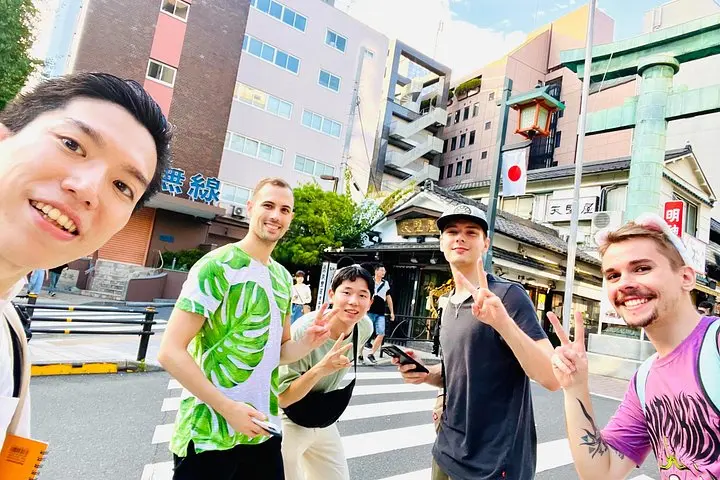



You step out of Akihabara Station into a corridor of neon and human energy: pachinko lights blink like constellations, arcade clatter spills into the street, and vending machines hum. The guide falls seamlessly into the current—pointing out a shuttered storefront that once sold radios, a landmark reborn as an anime mecca—then steers you toward quieter alleys where game shops and themed cafés stack like a vertical city of subcultures.
You step out of Akihabara Station into a corridor of neon and human energy: pachinko lights blink like constellations, arcade clatter spills into the street, and vending machines hum. The guide falls seamlessly into the current—pointing out a shuttered storefront that once sold radios, a landmark reborn as an anime mecca—then steers you toward quieter alleys where game shops and themed cafés stack like a vertical city of subcultures.
Akihabara sits in Tokyo’s Kanda district, historically a merchant and artisan quarter on the flat expanse of the former Edo plain. Its geology is unremarkable—man-made layers of urban Tokyo—but its culture has been built in vertical strata: electronics in the postwar boom, otaku culture from the 1980s onward, and a recent conscious blending of tradition and pop culture around shrines like Kanda Myojin.
Expect a mix of sensory notes: the metallic tang of arcade rooms, the papery quiet of shrine precincts, and the murmured rules of Japanese etiquette. Your guide will explain how to behave in a shrine, how to approach arcades and secondhand game stores, and the unspoken courtesies that smooth city travel.
Practical guidance: wear comfortable walking shoes, carry a charged phone or portable battery, and bring a Suica/Pasmo card or small bills for purchases. Plan for 1.5–2 hours for a compact itinerary, longer if you linger in shops. Midweek mornings are less crowded; evenings pulse with gamers and neon. This tour is customizable—tell your guide your interests to shape the route and timing for the clearest experience of Akihabara’s electric culture.