THE ADVENTURE COLLECTIVE® · Independent discovery and booking for outdoor travel
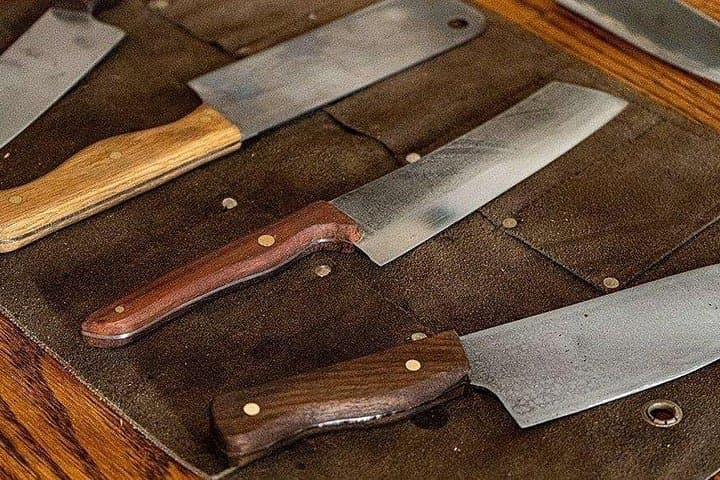
Spend a full day in Brooklyn learning traditional bladesmithing techniques and craft a custom high-carbon chef's knife. This hands-on workshop teaches profiling, beveling, polishing, and handle making with safety-first instruction and practical outcomes.
Spend a full day in Brooklyn learning traditional bladesmithing techniques and craft a custom high-carbon chef's knife. This hands-on workshop teaches profiling, beveling, polishing, and handle making with safety-first instruction and practical outcomes.
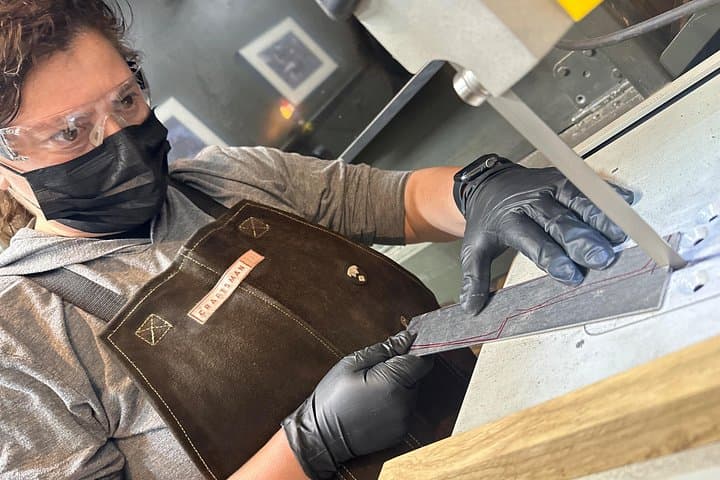
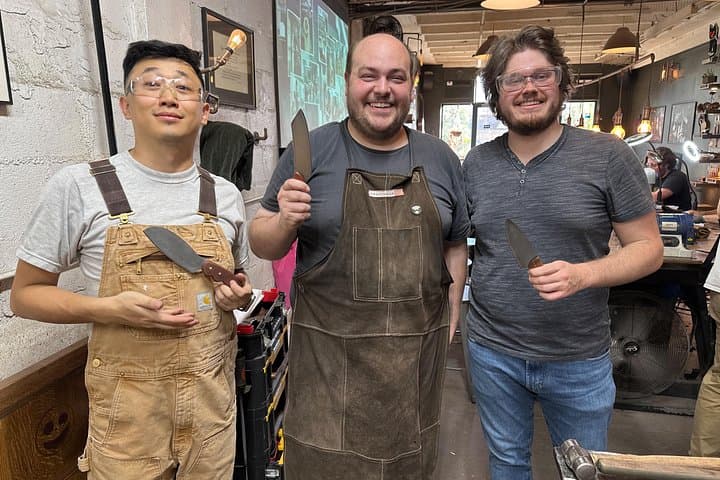
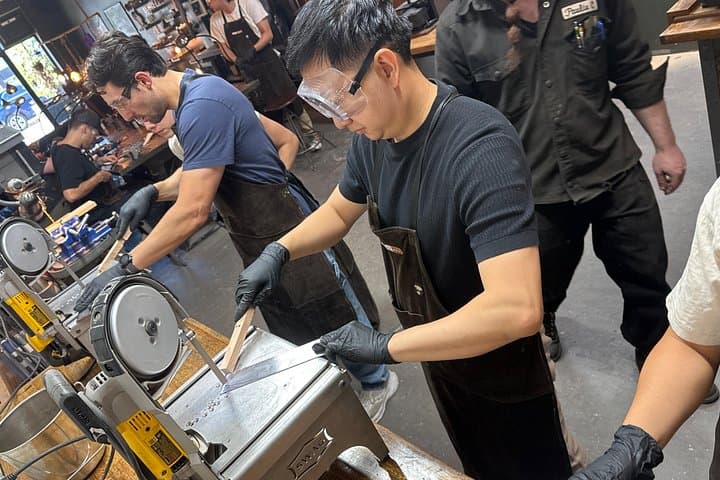
Step into a bright studio in Brooklyn where the scent of oil and warm metal replaces the usual city smells. Workbenches lined with files, grinders, and blocks of high-carbon tool steel await; artisans circulate, offering focused corrections as you shape the blade that will become your daily kitchen partner.
Verified experiences and guided adventures in the surrounding area.
Operated by Craftsman Ave · Brooklyn, New York
Step into a bright studio in Brooklyn where the scent of oil and warm metal replaces the usual city smells. Workbenches lined with files, grinders, and blocks of high-carbon tool steel await; artisans circulate, offering focused corrections as you shape the blade that will become your daily kitchen partner.
Knife-making in New York has roots in 19th- and 20th-century immigrant metalworking traditions — small shops where practical skill met creative adaptation. This workshop follows that lineage: profiling, bevel grinding, heat-treat basics, polishing, and custom handle crafting, all in a single-day, hands-on format. The technique emphasizes functional design — balance, edge geometry, and a handle tailored to your grip — rather than decorative flair.
Expect concrete floors, noise from grinders, and a steady rhythm of measured blows and rotating wheels. Instructors prioritize safety: PPE, tool briefings, and staged demonstrations before you touch the steel. The result is a usable, sharpenable chef's knife made from high-carbon tool steel with a personalized handle.
Practical notes: the session runs roughly eight hours; wear closed-toe shoes and comfortable, non-flammable clothing. Come with a basic plan for blade length and handle shape, but remain open to instructor adjustments — metallurgy and heat treatment will influence final form. Hydrate and plan a light meal break; focus fades faster than metal hardens. If you want a truly heirloom piece, follow up with a professional heat treat or tempering service recommended by the studio.
This is a full-day craft intensive that trains hands and attention — not just to make a knife, but to understand what makes a blade perform under real cooking conditions.
No—classes are designed for beginners; instructors guide you through each step and demonstrate techniques before you work.
Yes—you will complete shaping, basic heat treatment handled by the instructor or studio protocols, and a final sharpening suitable for kitchen use.
Bookings typically ask for participant ages; minors may be allowed with parental consent—confirm with the operator before booking.
Materials, use of tools, safety gear, and instructor guidance are included; extra options like exotic handle materials or advanced heat treatment may cost more.
Craftsman Ave operates guided outdoor trips and adventures with an emphasis on safety, stewardship, and memorable experiences.
Step into a bright studio in Brooklyn where the scent of oil and warm metal replaces the usual city smells. Workbenches lined with files, grinders, and blocks of high-carbon tool steel await; artisans circulate, offering focused corrections as you shape the blade that will become your daily kitchen partner.
Step into a bright studio in Brooklyn where the scent of oil and warm metal replaces the usual city smells. Workbenches lined with files, grinders, and blocks of high-carbon tool steel await; artisans circulate, offering focused corrections as you shape the blade that will become your daily kitchen partner.
Knife-making in New York has roots in 19th- and 20th-century immigrant metalworking traditions — small shops where practical skill met creative adaptation. This workshop follows that lineage: profiling, bevel grinding, heat-treat basics, polishing, and custom handle crafting, all in a single-day, hands-on format. The technique emphasizes functional design — balance, edge geometry, and a handle tailored to your grip — rather than decorative flair.
Expect concrete floors, noise from grinders, and a steady rhythm of measured blows and rotating wheels. Instructors prioritize safety: PPE, tool briefings, and staged demonstrations before you touch the steel. The result is a usable, sharpenable chef's knife made from high-carbon tool steel with a personalized handle.
Practical notes: the session runs roughly eight hours; wear closed-toe shoes and comfortable, non-flammable clothing. Come with a basic plan for blade length and handle shape, but remain open to instructor adjustments — metallurgy and heat treatment will influence final form. Hydrate and plan a light meal break; focus fades faster than metal hardens. If you want a truly heirloom piece, follow up with a professional heat treat or tempering service recommended by the studio.
This is a full-day craft intensive that trains hands and attention — not just to make a knife, but to understand what makes a blade perform under real cooking conditions.
