THE ADVENTURE COLLECTIVE® · Independent discovery and booking for outdoor travel

Design your own four-hour exploration of Niigata — pick markets, museums, sake breweries, or historic districts. This private, customizable half-day tour pairs local insight with flexible pacing, ideal for first-time visitors or returning food-focused travelers.
Design your own four-hour exploration of Niigata — pick markets, museums, sake breweries, or historic districts. This private, customizable half-day tour pairs local insight with flexible pacing, ideal for first-time visitors or returning food-focused travelers.
You step off the riverside walk where the Shinano meets the Sea of Japan and the air smells faintly of salt and freshly cut rice. In four hours a private guide can thread you through Meiji-era warehouses, a quiet Shinto shrine, a sake brewery room where steam rises like a slow exhale, and a market stall piled with morning catches. The city feels less like a single attraction than a choreography of neighborhoods — Furumachi’s narrow lanes, Hakusan Park’s green hills, and the broad waterfront where ferries and gulls share the horizon.
Verified experiences and guided adventures in the surrounding area.
Operated by Japan Awaits · Niigata, Niigata Prefecture
You step off the riverside walk where the Shinano meets the Sea of Japan and the air smells faintly of salt and freshly cut rice. In four hours a private guide can thread you through Meiji-era warehouses, a quiet Shinto shrine, a sake brewery room where steam rises like a slow exhale, and a market stall piled with morning catches. The city feels less like a single attraction than a choreography of neighborhoods — Furumachi’s narrow lanes, Hakusan Park’s green hills, and the broad waterfront where ferries and gulls share the horizon.
Niigata’s story is maritime and agricultural: a port opened to foreign trade in the late 19th century and a center for rice production whose wealth funded breweries and modern civic buildings. Geologically the area sits on alluvial plains fed by the Shinano River, with Suturing episodes of land reclamation shaping today’s waterfront. Local culture centers on food and drink — the city’s sake is a direct expression of Niigata rice and cold Sea of Japan water — while small museums preserve modern-art holdings and Meiji/Showa architecture.
Practically, a customizable half-day tour gives you control: choose 2–3 stops, request reservations, and opt for hotel pickup inside the city center. Expect urban walking on paved streets, short guided explanations at each stop, and the chance to taste sake or shop at Pier Bandai. Best times are morning markets or late-afternoon brewery visits when crowds thin. Wear comfortable shoes, bring a light layer for sea breezes, and complete the operator’s customization form at least a week before travel so reservations can be secured.
Yes—bookings are private and the itinerary is created for your group only, though the guide may recommend quieter times at popular stops.
Yes—pickup and drop-off are included if your hotel is within Niigata city center; otherwise a central meet-up is arranged.
Tours are offered with an English-speaking professional guide; other languages may be available by request but should be confirmed when booking.
Plan as early as possible—ideally 1–3 months before travel—especially if you need restaurant or brewery reservations.
Japan Awaits operates guided outdoor trips and adventures with an emphasis on safety, stewardship, and memorable experiences.
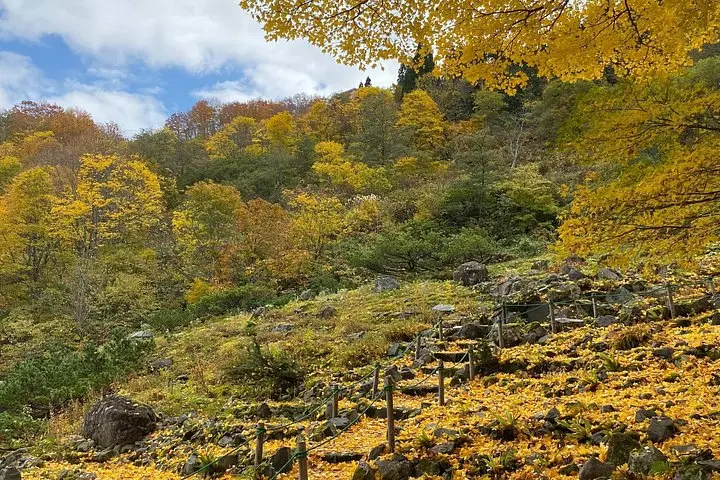
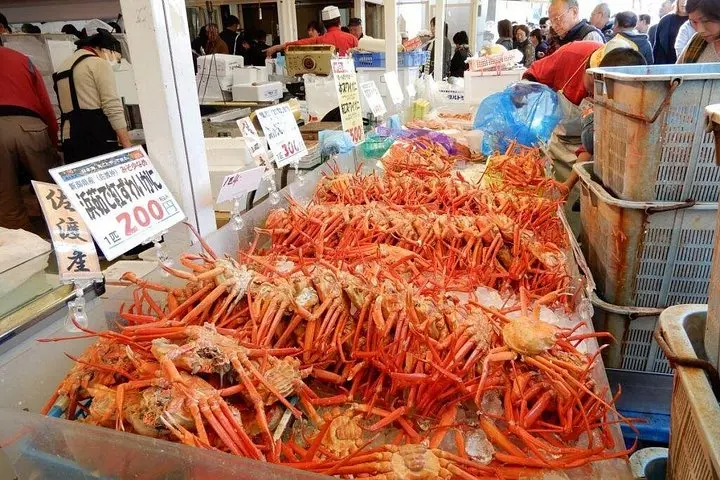
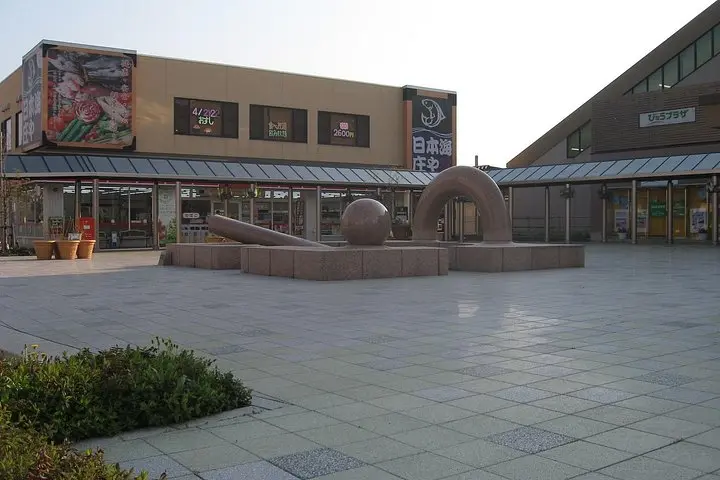
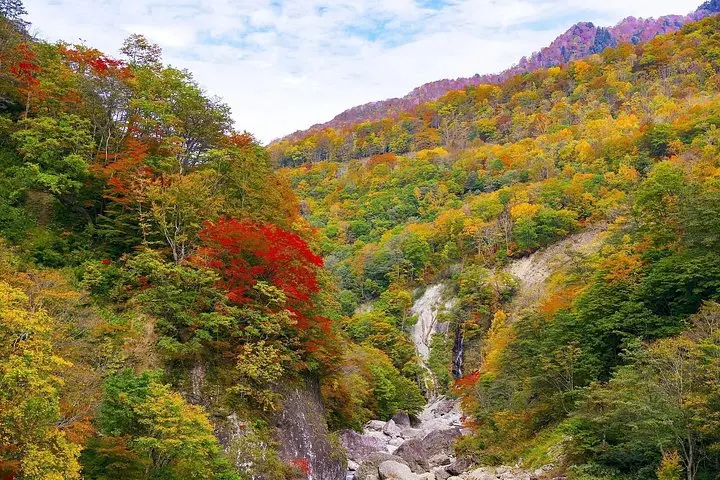
You step off the riverside walk where the Shinano meets the Sea of Japan and the air smells faintly of salt and freshly cut rice. In four hours a private guide can thread you through Meiji-era warehouses, a quiet Shinto shrine, a sake brewery room where steam rises like a slow exhale, and a market stall piled with morning catches. The city feels less like a single attraction than a choreography of neighborhoods — Furumachi’s narrow lanes, Hakusan Park’s green hills, and the broad waterfront where ferries and gulls share the horizon.
You step off the riverside walk where the Shinano meets the Sea of Japan and the air smells faintly of salt and freshly cut rice. In four hours a private guide can thread you through Meiji-era warehouses, a quiet Shinto shrine, a sake brewery room where steam rises like a slow exhale, and a market stall piled with morning catches. The city feels less like a single attraction than a choreography of neighborhoods — Furumachi’s narrow lanes, Hakusan Park’s green hills, and the broad waterfront where ferries and gulls share the horizon.
Niigata’s story is maritime and agricultural: a port opened to foreign trade in the late 19th century and a center for rice production whose wealth funded breweries and modern civic buildings. Geologically the area sits on alluvial plains fed by the Shinano River, with Suturing episodes of land reclamation shaping today’s waterfront. Local culture centers on food and drink — the city’s sake is a direct expression of Niigata rice and cold Sea of Japan water — while small museums preserve modern-art holdings and Meiji/Showa architecture.
Practically, a customizable half-day tour gives you control: choose 2–3 stops, request reservations, and opt for hotel pickup inside the city center. Expect urban walking on paved streets, short guided explanations at each stop, and the chance to taste sake or shop at Pier Bandai. Best times are morning markets or late-afternoon brewery visits when crowds thin. Wear comfortable shoes, bring a light layer for sea breezes, and complete the operator’s customization form at least a week before travel so reservations can be secured.