THE ADVENTURE COLLECTIVE® · Independent discovery and booking for outdoor travel

Design your own four-hour exploration of Toba — from pearl farms and coastal observation points to shrines and seafood markets. This private customizable tour puts local knowledge and reservations in your guide’s hands so you can focus on the sights that matter to you.
Design your own four-hour exploration of Toba — from pearl farms and coastal observation points to shrines and seafood markets. This private customizable tour puts local knowledge and reservations in your guide’s hands so you can focus on the sights that matter to you.
You step off the train into salt-sweet air and the low clack of ferry horns — Toba’s harbor pulls you toward the sea. The city crouches along Ise Bay, where aquaculture platforms bob and coastal lanes wind between seafood stalls and shrines. On a private four-hour tour you set the pace: wander shoreline observation points, visit small island pearl farms, or pause at a shrine for the deliberate quiet of Shinto ritual.
Verified experiences and guided adventures in the surrounding area.
Operated by Japan Awaits · Toba, Mie Prefecture
You step off the train into salt-sweet air and the low clack of ferry horns — Toba’s harbor pulls you toward the sea. The city crouches along Ise Bay, where aquaculture platforms bob and coastal lanes wind between seafood stalls and shrines. On a private four-hour tour you set the pace: wander shoreline observation points, visit small island pearl farms, or pause at a shrine for the deliberate quiet of Shinto ritual.
Toba’s story is written in shells and pilgrims. The city grew around cultured pearl innovation in the late 19th century and serves as a gateway for centuries of Ise pilgrimage. Geology here is coastal sediment and gentle headlands carved by tides; sea spray keeps the air cool and marine birds busy. Local culture centers on seafood, shrine etiquette, and the craftsmanship behind pearl cultivation — guides often translate both history and the unspoken rules of visiting sacred sites.
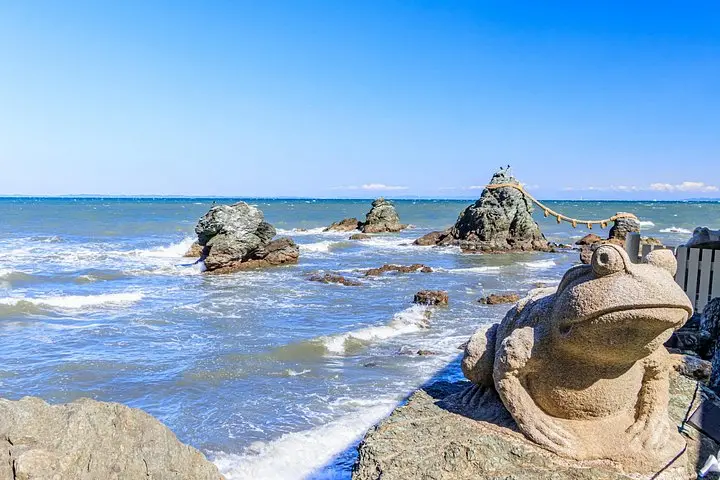
Practically speaking, plan an itinerary around two to three stops within the city: a pearl-farm viewing, Futami Okitama shrine, and a harbor-side eatery or observation deck are typical. Transportation is arranged within city limits; public transit and short transfers are common. Bring comfortable shoes for mixed pavement and coastal boardwalks, a light rain layer, and modest attire for shrine visits. Allow time for reservation-dependent activities like restaurant seating or museum entry. Your guide will handle bookings and timing, but arrive 10 minutes early and complete the pre-tour form at least seven days ahead to get the most from your custom half-day in Toba.
You can select 2–3 sites within Toba for a focused four-hour itinerary; the operator will handle bookings and transport within the city.
Transportation within the city is included and may use public transit or a private vehicle depending on the itinerary you request.
An English-speaking guide is provided; other languages may be requested on the booking form but require advance notice.
This listing indicates a strict policy with varying fees based on timing; confirm exact terms at booking and complete the tour form promptly to avoid nonrefundable arrangements.
Japan Awaits operates guided outdoor trips and adventures with an emphasis on safety, stewardship, and memorable experiences.
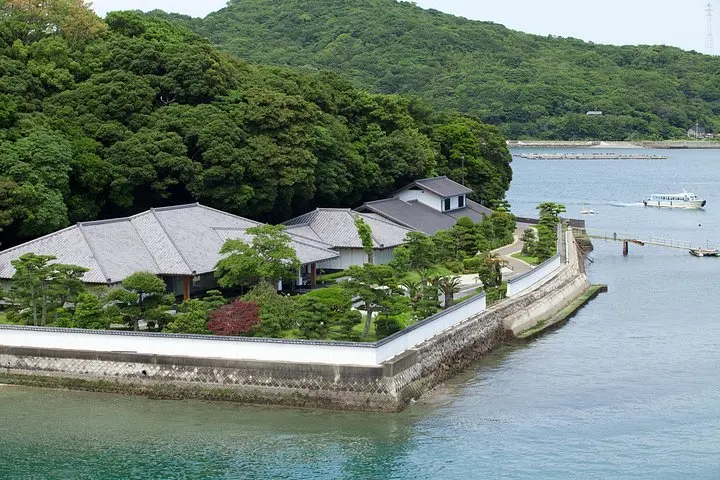
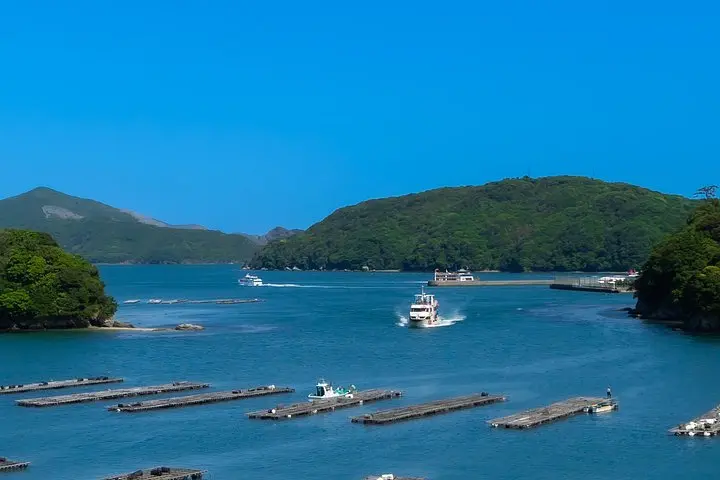
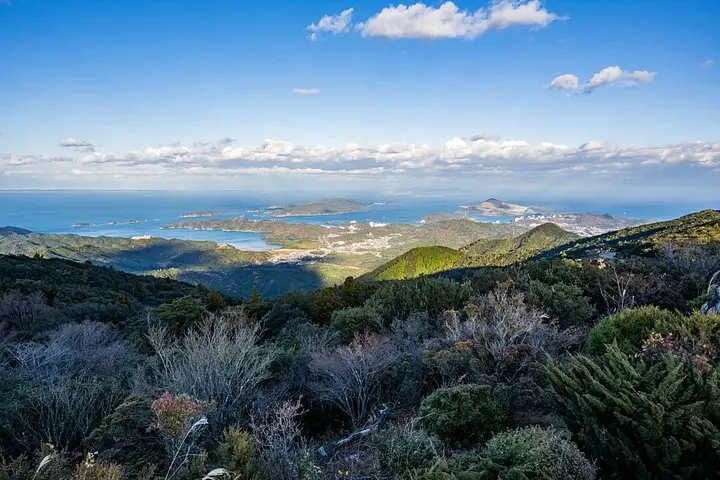
You step off the train into salt-sweet air and the low clack of ferry horns — Toba’s harbor pulls you toward the sea. The city crouches along Ise Bay, where aquaculture platforms bob and coastal lanes wind between seafood stalls and shrines. On a private four-hour tour you set the pace: wander shoreline observation points, visit small island pearl farms, or pause at a shrine for the deliberate quiet of Shinto ritual.
You step off the train into salt-sweet air and the low clack of ferry horns — Toba’s harbor pulls you toward the sea. The city crouches along Ise Bay, where aquaculture platforms bob and coastal lanes wind between seafood stalls and shrines. On a private four-hour tour you set the pace: wander shoreline observation points, visit small island pearl farms, or pause at a shrine for the deliberate quiet of Shinto ritual.
Toba’s story is written in shells and pilgrims. The city grew around cultured pearl innovation in the late 19th century and serves as a gateway for centuries of Ise pilgrimage. Geology here is coastal sediment and gentle headlands carved by tides; sea spray keeps the air cool and marine birds busy. Local culture centers on seafood, shrine etiquette, and the craftsmanship behind pearl cultivation — guides often translate both history and the unspoken rules of visiting sacred sites.
Practically speaking, plan an itinerary around two to three stops within the city: a pearl-farm viewing, Futami Okitama shrine, and a harbor-side eatery or observation deck are typical. Transportation is arranged within city limits; public transit and short transfers are common. Bring comfortable shoes for mixed pavement and coastal boardwalks, a light rain layer, and modest attire for shrine visits. Allow time for reservation-dependent activities like restaurant seating or museum entry. Your guide will handle bookings and timing, but arrive 10 minutes early and complete the pre-tour form at least seven days ahead to get the most from your custom half-day in Toba.