THE ADVENTURE COLLECTIVE® · Independent discovery and booking for outdoor travel

Spend four curated hours exploring Yokohama with a private guide who builds an itinerary around your interests — from CupNoodles Museum to Sankeien Garden. This half-day tour combines efficient logistics with local know-how, ideal for travelers who want highlights without the guesswork.
Spend four curated hours exploring Yokohama with a private guide who builds an itinerary around your interests — from CupNoodles Museum to Sankeien Garden. This half-day tour combines efficient logistics with local know-how, ideal for travelers who want highlights without the guesswork.
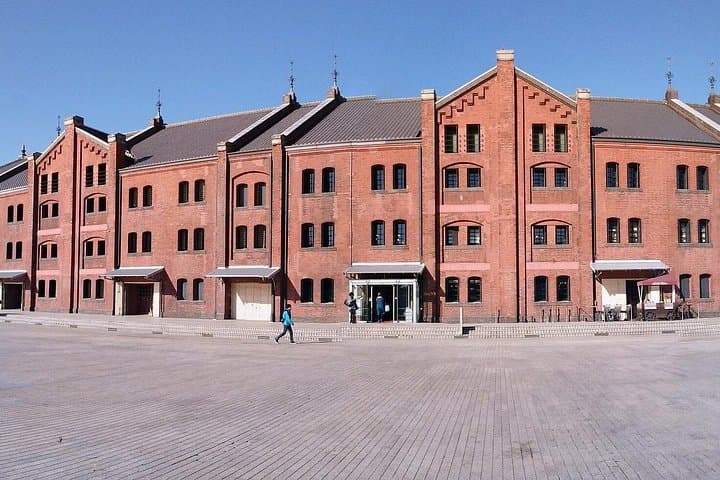
A brisk sea breeze from Yokohama Bay hits first — salt and diesel, punctuated by the clack of tram lines — as a private guide waits to set the day's pace. Over four hours, the city loosens its layers: century-old warehouses sit beside glassy towers, a temple garden hums under maple boughs, and the harbor dares you to step closer for the view.
Verified experiences and guided adventures in the surrounding area.
Operated by Japan Awaits · Yokohama, Kanagawa
A brisk sea breeze from Yokohama Bay hits first — salt and diesel, punctuated by the clack of tram lines — as a private guide waits to set the day's pace. Over four hours, the city loosens its layers: century-old warehouses sit beside glassy towers, a temple garden hums under maple boughs, and the harbor dares you to step closer for the view.
Yokohama’s transformation began when the port opened in 1859, accelerating Japan’s trade and urban growth. Geologically the waterfront is reclaimed land, which shaped its low-lying parks and long promenades. Culturally, Chinatown and Motomachi reflect waves of foreign influence, while Sankeien preserves Edo- and Meiji-era garden design away from the harbor's bustle.
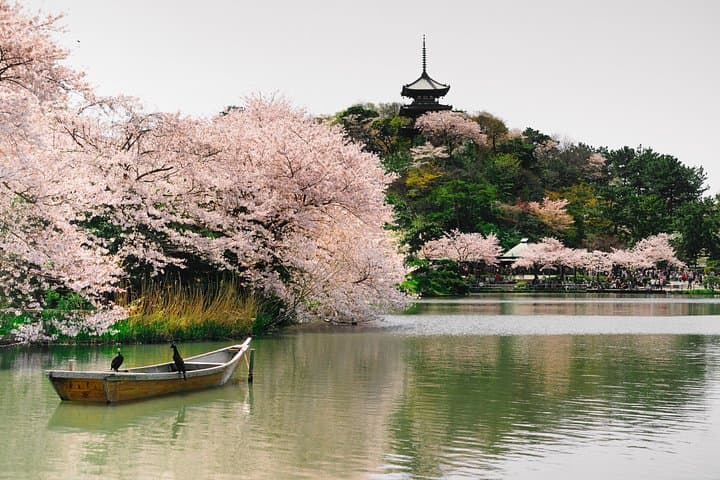
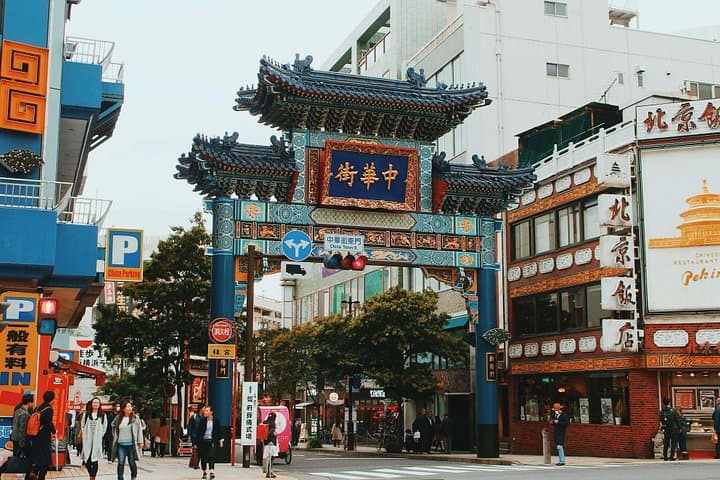
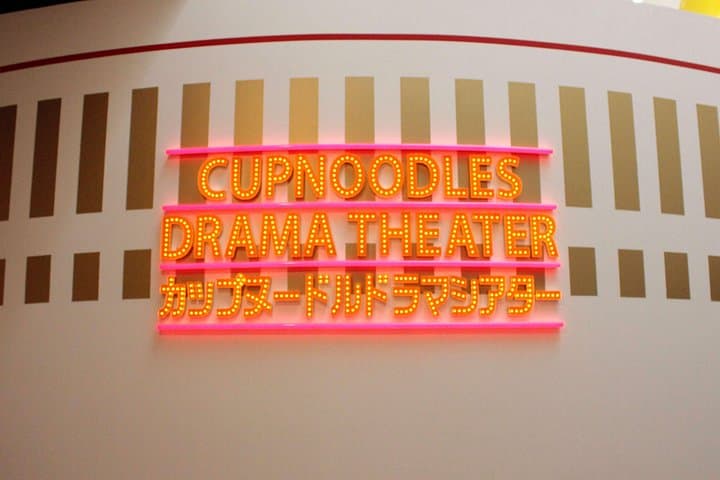
A private customizable tour lets travelers choose two to three stops — CupNoodles Museum, Red Brick Warehouse, Yamashita Park, Landmark Tower Sky Garden, Sankeien — with a guide who makes reservations and handles city transport. Guides tailor routes to avoid crowds and line-ups, and they’ll flag timing for museum entries, lunch in Chinatown, or sunset at Minato Mirai.
Practical notes: expect moderate walking on pavement and stairs; bring comfortable shoes and a charged phone for navigation. Hotel pickup within the city center is available, but confirm details via the post-booking form at least seven days ahead. Book early for restaurant reservations — the operator recommends one to three months’ lead time — and arrive on schedule; guides typically wait up to 30 minutes. With local knowledge and logistical support, this half-day is efficient, flexible and grounded in Yokohama’s living history.
Admissions are not automatically included; the guide can make reservations and include costs if arranged in advance via the custom tour form.
Yes — hotel pickup and drop-off are available if your accommodation is within Yokohama city center; confirm location on the booking form.
For guaranteed reservations and restaurant bookings, book ideally 1–3 months ahead; requests within 7 days may be difficult to fulfill.
Guides typically wait up to 30 minutes from the scheduled start; contact details are provided before the tour to communicate delays.
Japan Awaits operates guided outdoor trips and adventures with an emphasis on safety, stewardship, and memorable experiences.
A brisk sea breeze from Yokohama Bay hits first — salt and diesel, punctuated by the clack of tram lines — as a private guide waits to set the day's pace. Over four hours, the city loosens its layers: century-old warehouses sit beside glassy towers, a temple garden hums under maple boughs, and the harbor dares you to step closer for the view.
A brisk sea breeze from Yokohama Bay hits first — salt and diesel, punctuated by the clack of tram lines — as a private guide waits to set the day's pace. Over four hours, the city loosens its layers: century-old warehouses sit beside glassy towers, a temple garden hums under maple boughs, and the harbor dares you to step closer for the view.
Yokohama’s transformation began when the port opened in 1859, accelerating Japan’s trade and urban growth. Geologically the waterfront is reclaimed land, which shaped its low-lying parks and long promenades. Culturally, Chinatown and Motomachi reflect waves of foreign influence, while Sankeien preserves Edo- and Meiji-era garden design away from the harbor's bustle.
A private customizable tour lets travelers choose two to three stops — CupNoodles Museum, Red Brick Warehouse, Yamashita Park, Landmark Tower Sky Garden, Sankeien — with a guide who makes reservations and handles city transport. Guides tailor routes to avoid crowds and line-ups, and they’ll flag timing for museum entries, lunch in Chinatown, or sunset at Minato Mirai.
Practical notes: expect moderate walking on pavement and stairs; bring comfortable shoes and a charged phone for navigation. Hotel pickup within the city center is available, but confirm details via the post-booking form at least seven days ahead. Book early for restaurant reservations — the operator recommends one to three months’ lead time — and arrive on schedule; guides typically wait up to 30 minutes. With local knowledge and logistical support, this half-day is efficient, flexible and grounded in Yokohama’s living history.