THE ADVENTURE COLLECTIVE® · Independent discovery and booking for outdoor travel

Design your own eight-hour private tour of Kyoto—select 4–5 sites from temples and markets to artisan neighborhoods with an English-speaking guide who arranges transport and reservations. Ideal for first-time visitors who want a focused, flexible day in the city.
Design your own eight-hour private tour of Kyoto—select 4–5 sites from temples and markets to artisan neighborhoods with an English-speaking guide who arranges transport and reservations. Ideal for first-time visitors who want a focused, flexible day in the city.
Morning light slips between wooden eaves as a private guide leads you from a quiet machiya lane toward a river that has shaped Kyoto for a millennium. Torii gates at Fushimi Inari dare you forward in serried red; a polished temple veranda at Kiyomizu-dera offers a wind-whipped panorama of tiled rooftops; a market stall hands you warm yakitori while steam rises from the Kamo River.
Verified experiences and guided adventures in the surrounding area.
Operated by Japan Awaits · Kyoto, Kyoto Prefecture
Morning light slips between wooden eaves as a private guide leads you from a quiet machiya lane toward a river that has shaped Kyoto for a millennium. Torii gates at Fushimi Inari dare you forward in serried red; a polished temple veranda at Kiyomizu-dera offers a wind-whipped panorama of tiled rooftops; a market stall hands you warm yakitori while steam rises from the Kamo River.
Kyoto was Japan’s imperial capital from 794 to 1868, and the city’s layout, gardens, and shrines reflect centuries of Shinto and Buddhist practice. Geologically, the city sits on alluvial plains fed by the Kamo and Katsura rivers, which historically enabled rice cultivation and urban growth. Culturally, neighborhoods like Gion preserve craft workshops, tea houses, and festivals that follow seasonal rhythms.
This experience is an 8‑hour private, fully customizable city tour with an English‑speaking guide, transportation within Kyoto, and booking support for restaurants and attractions. Travelers choose 4–5 stops—from iconic temples and UNESCO sites to neighborhood food walks and artisan workshops—via a pre‑tour form. Expect moderate walking on uneven stone steps and narrow lanes; guides will tailor pacing.
Practical guidance: fill the tour form at least 7 days before travel, carry cash (many small vendors are cash-only), bring comfortable shoes and layered clothing, and plan early starts to avoid the biggest crowds at Kinkaku‑ji and Fushimi Inari. Respect shrine etiquette (bowing, quiet, no flash photography where posted). With a focused plan, the private tour turns Kyoto’s major sights and quieter corners into a coherent, efficient day of discovery.
Yes—you choose 4–5 attractions via a pre-tour form; the guide builds an itinerary around your interests, whether temples, markets, or neighborhoods.
The tour includes reservations and bookings made on your behalf, but entrance fees and meals are typically paid by guests unless otherwise specified—confirm during booking.
Hotel pickup and drop-off are provided if your accommodation is within Kyoto city center—confirm details on the booking form.
Book ideally three months ahead for peak travel periods, or at least one month in advance; last-minute requests within 7 days may not be accommodated.
Japan Awaits operates guided outdoor trips and adventures with an emphasis on safety, stewardship, and memorable experiences.
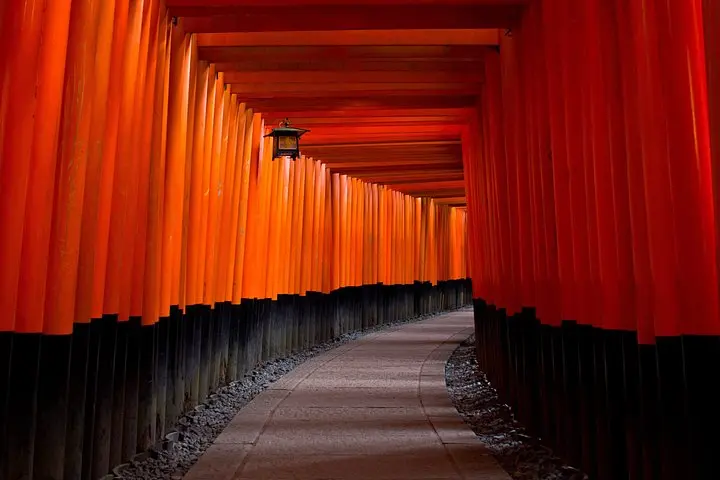
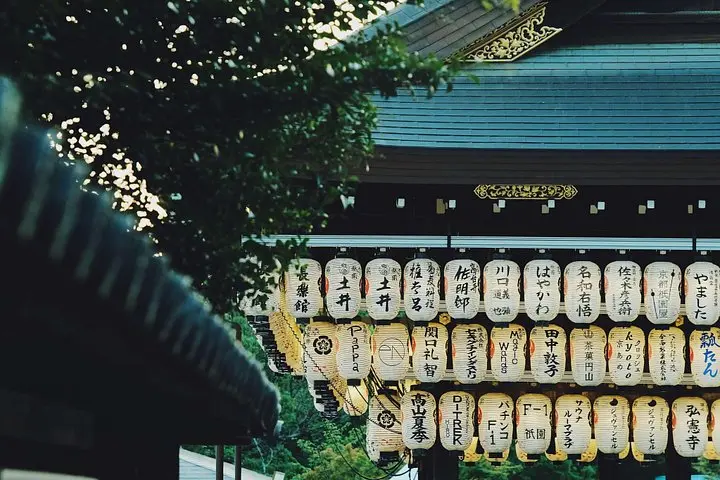
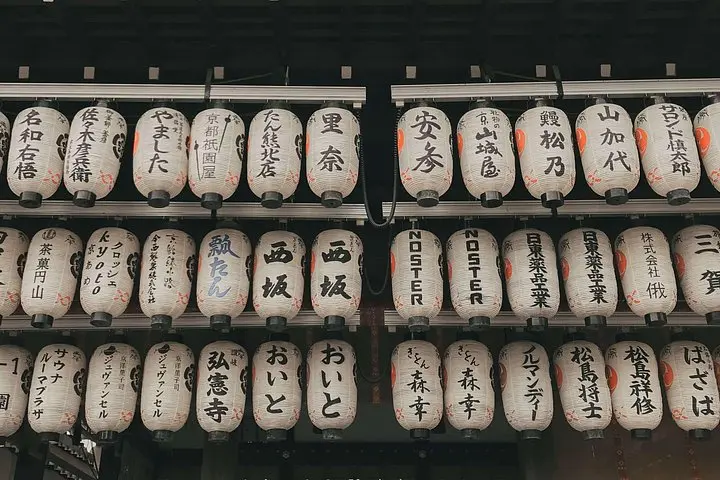
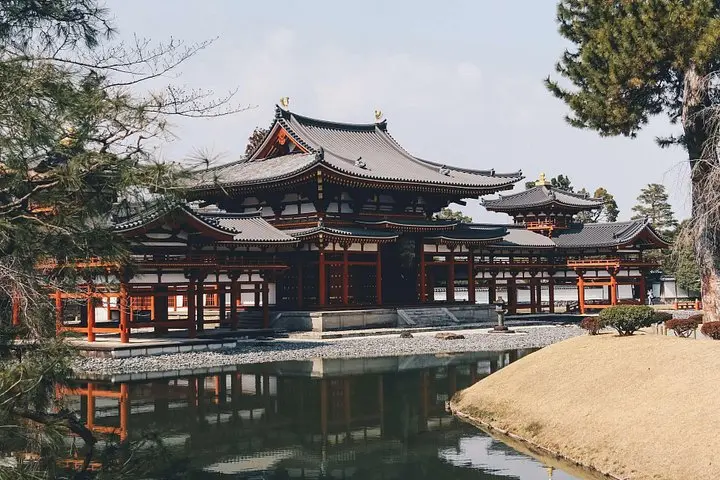
Morning light slips between wooden eaves as a private guide leads you from a quiet machiya lane toward a river that has shaped Kyoto for a millennium. Torii gates at Fushimi Inari dare you forward in serried red; a polished temple veranda at Kiyomizu-dera offers a wind-whipped panorama of tiled rooftops; a market stall hands you warm yakitori while steam rises from the Kamo River.
Morning light slips between wooden eaves as a private guide leads you from a quiet machiya lane toward a river that has shaped Kyoto for a millennium. Torii gates at Fushimi Inari dare you forward in serried red; a polished temple veranda at Kiyomizu-dera offers a wind-whipped panorama of tiled rooftops; a market stall hands you warm yakitori while steam rises from the Kamo River.
Kyoto was Japan’s imperial capital from 794 to 1868, and the city’s layout, gardens, and shrines reflect centuries of Shinto and Buddhist practice. Geologically, the city sits on alluvial plains fed by the Kamo and Katsura rivers, which historically enabled rice cultivation and urban growth. Culturally, neighborhoods like Gion preserve craft workshops, tea houses, and festivals that follow seasonal rhythms.
This experience is an 8‑hour private, fully customizable city tour with an English‑speaking guide, transportation within Kyoto, and booking support for restaurants and attractions. Travelers choose 4–5 stops—from iconic temples and UNESCO sites to neighborhood food walks and artisan workshops—via a pre‑tour form. Expect moderate walking on uneven stone steps and narrow lanes; guides will tailor pacing.
Practical guidance: fill the tour form at least 7 days before travel, carry cash (many small vendors are cash-only), bring comfortable shoes and layered clothing, and plan early starts to avoid the biggest crowds at Kinkaku‑ji and Fushimi Inari. Respect shrine etiquette (bowing, quiet, no flash photography where posted). With a focused plan, the private tour turns Kyoto’s major sights and quieter corners into a coherent, efficient day of discovery.