THE ADVENTURE COLLECTIVE® · Independent discovery and booking for outdoor travel

Spend a single, carefully tailored day exploring Chengdu’s highlights — from playful giant pandas to ancient hydraulic feats and cliffside Buddhas. This private tour pairs local expertise with flexible planning so travelers can see the sites that matter most without the logistics stress.
Spend a single, carefully tailored day exploring Chengdu’s highlights — from playful giant pandas to ancient hydraulic feats and cliffside Buddhas. This private tour pairs local expertise with flexible planning so travelers can see the sites that matter most without the logistics stress.
Morning light slides across Chengdu's broad avenues as a private vehicle eases out of a hotel courtyard. The city hums — scooters weaving, tea houses already brewing — and an English-speaking guide outlines an eight-hour plan tuned to the group's interests: pandas first, an ancient irrigation marvel next, or a riverside Buddha carved into a cliff.
Verified experiences and guided adventures in the surrounding area.
Operated by Tuniu · Chengdu, Sichuan
Morning light slides across Chengdu's broad avenues as a private vehicle eases out of a hotel courtyard. The city hums — scooters weaving, tea houses already brewing — and an English-speaking guide outlines an eight-hour plan tuned to the group's interests: pandas first, an ancient irrigation marvel next, or a riverside Buddha carved into a cliff.
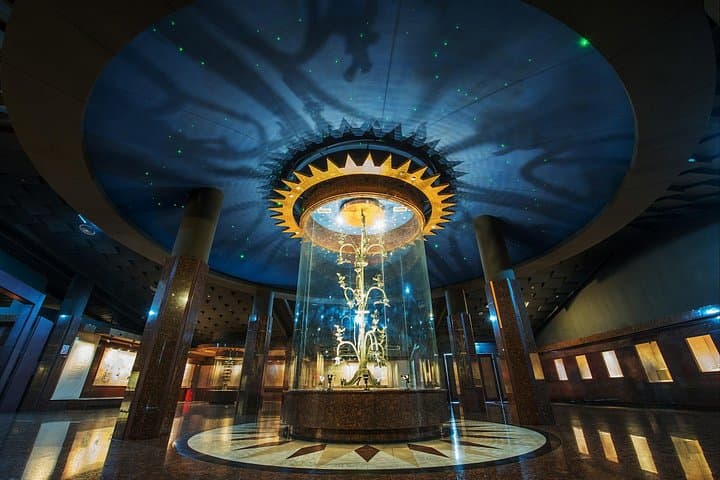
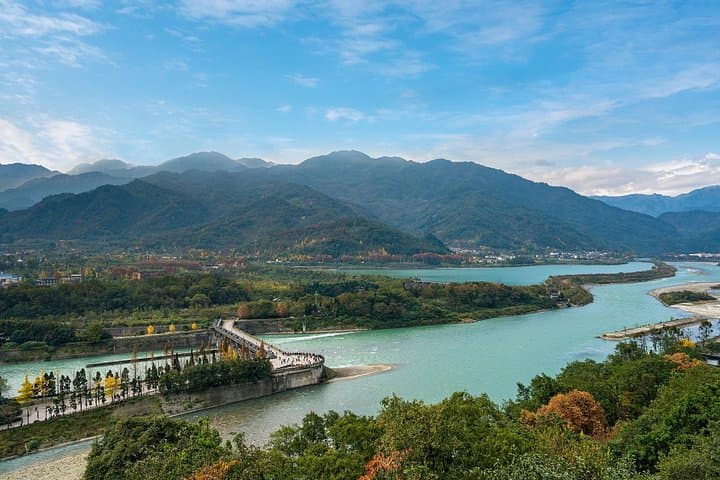
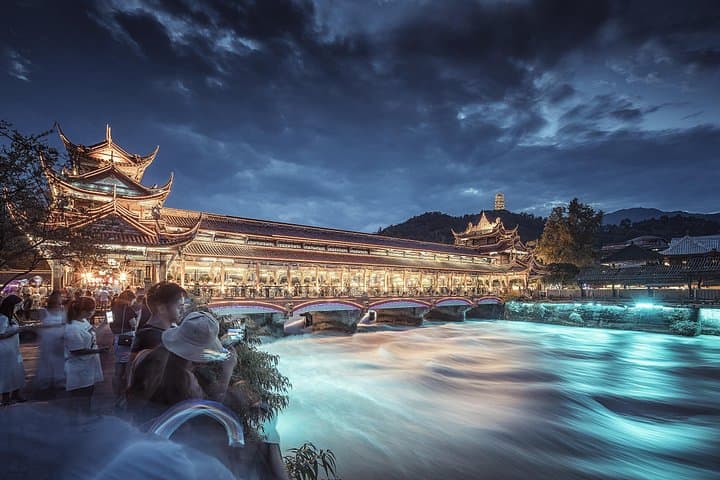
This region stitches ancient engineering, religious tradition, and modern conservation into a compact itinerary. Dujiangyan (built c. 256 BCE) still channels water across Sichuan's fertile basin; Sanxingdui's bronze masks rewrite what historians know about early Shu culture; Leshan’s 71-meter Buddha watches the Min River after more than a millennium. Geologically, the basin sits where the Tibetan Plateau's uplift meets lowland plains, producing sharp mountain views to the west and wide, farmed flats to the east.
Travelers can expect light walking between sites, comfortable private transfers, and flexible timing to savor tea houses, temple courtyards, or a panda viewing session at the Chengdu Research Base. Guides can arrange tickets and suggest the best windows for animal activity or to avoid crowds at UNESCO sites. Practicalities matter: carry ID for bookings, allow extra time for traffic leaving the city, and bring cash for small temple donations or street snacks.
Timing your day around early-morning panda feedings or late-afternoon temple light yields the richest photos and quieter spaces. Hydrate between site visits, wear supportive shoes for uneven temple steps, and keep a portable charger for long photo sessions. With a prepared guide and a clear priority list, one day can deliver a vivid cross-section of Sichuan’s culture, nature, and engineering history.
Yes — this private tour is designed to be flexible; the guide will adjust timing and order of stops based on traffic, site hours, and group preference.
Some itineraries include admissions if prearranged; confirm with the operator which sites are covered when booking and budget for any additional tickets.
Yes — private hotel pickup and drop-off within Chengdu are included as part of the tour’s transportation amenities.
Yes — the tour is marked physically easy and can accommodate strollers for short distances, but plan quieter stops and panda visits around young children’s schedules.
Tuniu operates guided outdoor trips and adventures with an emphasis on safety, stewardship, and memorable experiences.
Morning light slides across Chengdu's broad avenues as a private vehicle eases out of a hotel courtyard. The city hums — scooters weaving, tea houses already brewing — and an English-speaking guide outlines an eight-hour plan tuned to the group's interests: pandas first, an ancient irrigation marvel next, or a riverside Buddha carved into a cliff.
Morning light slides across Chengdu's broad avenues as a private vehicle eases out of a hotel courtyard. The city hums — scooters weaving, tea houses already brewing — and an English-speaking guide outlines an eight-hour plan tuned to the group's interests: pandas first, an ancient irrigation marvel next, or a riverside Buddha carved into a cliff.
This region stitches ancient engineering, religious tradition, and modern conservation into a compact itinerary. Dujiangyan (built c. 256 BCE) still channels water across Sichuan's fertile basin; Sanxingdui's bronze masks rewrite what historians know about early Shu culture; Leshan’s 71-meter Buddha watches the Min River after more than a millennium. Geologically, the basin sits where the Tibetan Plateau's uplift meets lowland plains, producing sharp mountain views to the west and wide, farmed flats to the east.
Travelers can expect light walking between sites, comfortable private transfers, and flexible timing to savor tea houses, temple courtyards, or a panda viewing session at the Chengdu Research Base. Guides can arrange tickets and suggest the best windows for animal activity or to avoid crowds at UNESCO sites. Practicalities matter: carry ID for bookings, allow extra time for traffic leaving the city, and bring cash for small temple donations or street snacks.
Timing your day around early-morning panda feedings or late-afternoon temple light yields the richest photos and quieter spaces. Hydrate between site visits, wear supportive shoes for uneven temple steps, and keep a portable charger for long photo sessions. With a prepared guide and a clear priority list, one day can deliver a vivid cross-section of Sichuan’s culture, nature, and engineering history.