THE ADVENTURE COLLECTIVE® · Independent discovery and booking for outdoor travel

Tailor a full-day private tour from Yokohama to Tokyo that covers Shibuya, Ginza, Akihabara, and the Imperial Palace. Ideal for cruise passengers who want an efficient, guided taste of Tokyo with optional Shinkansen for the return.
Tailor a full-day private tour from Yokohama to Tokyo that covers Shibuya, Ginza, Akihabara, and the Imperial Palace. Ideal for cruise passengers who want an efficient, guided taste of Tokyo with optional Shinkansen for the return.
The morning opens at the Yokohama pier: the cruise ship’s gangway folds back into metal, taxis thread past, and a local guide meets you with a small placard. Within minutes you’re on a commuter train slicing toward Tokyo, the city unfurling from low-rise port districts into neon and glass. Shibuya’s human tide, the clatter of Ameyoko market stalls, and Akihabara’s electronic hum arrive in quick succession—each neighborhood a distinct chapter of the city’s character.
Verified experiences and guided adventures in the surrounding area.
Operated by ISHIDA · Yokohama, Kanagawa
The morning opens at the Yokohama pier: the cruise ship’s gangway folds back into metal, taxis thread past, and a local guide meets you with a small placard. Within minutes you’re on a commuter train slicing toward Tokyo, the city unfurling from low-rise port districts into neon and glass. Shibuya’s human tide, the clatter of Ameyoko market stalls, and Akihabara’s electronic hum arrive in quick succession—each neighborhood a distinct chapter of the city’s character.
Tokyo’s streets follow layers of history: the Imperial Palace sits atop what was once Edo Castle, the Meiji era’s modernization is visible in Ginza’s boulevards, and Akihabara’s transformation from electronics wholesale to pop-culture hub is as recent as a generation. Geologically, Tokyo spreads across alluvial lowlands fed by nearby rivers, which historically directed settlement and trade from the ocean to the inland.
Expect a lot of walking mixed with efficient rail travel; a private guide sequences attractions to reduce backtracking. The optional Shinkansen hop back to Yokohama is short but theatrical—a reminder of Japan’s rail legacy.
Practical notes: plan eight hours, wear cushioned shoes, and use a loaded Suica/Pasmo card for quick transfers. Bring water and a light layer—Tokyo’s microclimates shift between city canyons and park gardens. Admission fees, lunch, and local transit fares are usually out-of-pocket. If time is tight, prioritize two or three neighborhoods rather than trying to see everything. For cruise passengers a tailored private tour balances sightseeing with punctual return to port—efficient, urban, and unmistakably Tokyo.
Yes—this private day tour is designed for cruise schedules; the guide times activities to return you to Yokohama by the agreed time.
The short Bullet Train option for the return is available but paid separately (approx. ¥1,500); guides can arrange tickets on the day.
Admission fees are not included in the base tour price and are paid by guests during the tour, allowing flexibility in choices.
Yes—many stations and streets are navigable with strollers, but expect stairs at some older stations; notify the operator in advance.
ISHIDA operates guided outdoor trips and adventures with an emphasis on safety, stewardship, and memorable experiences.
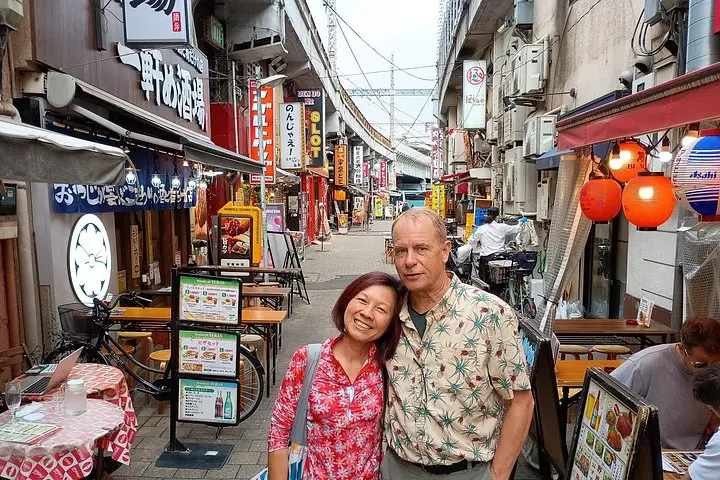
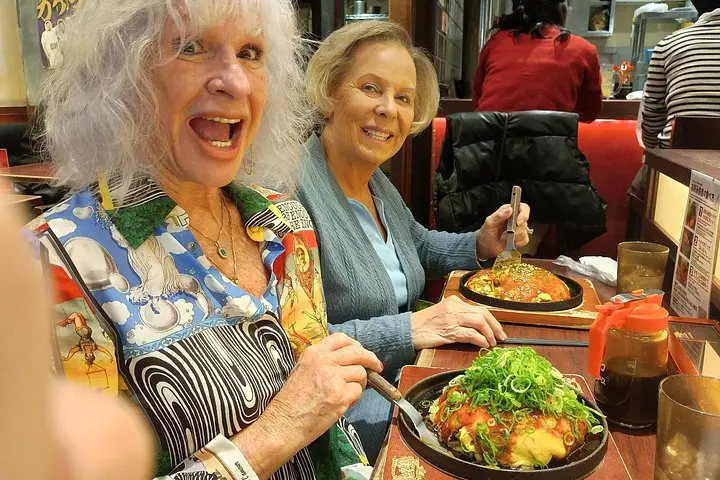
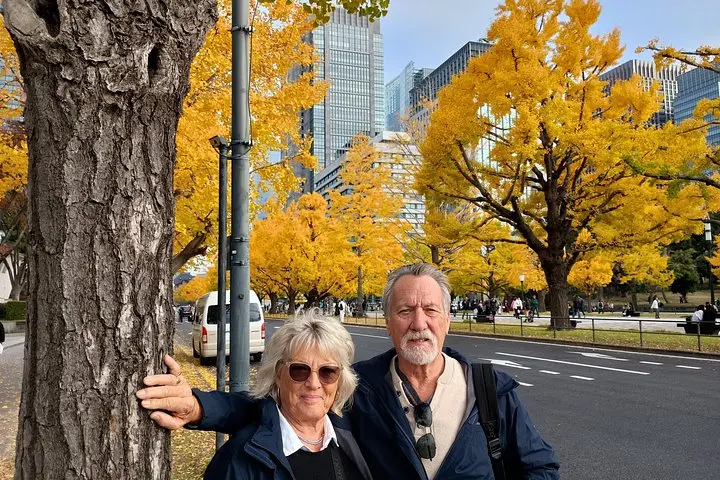
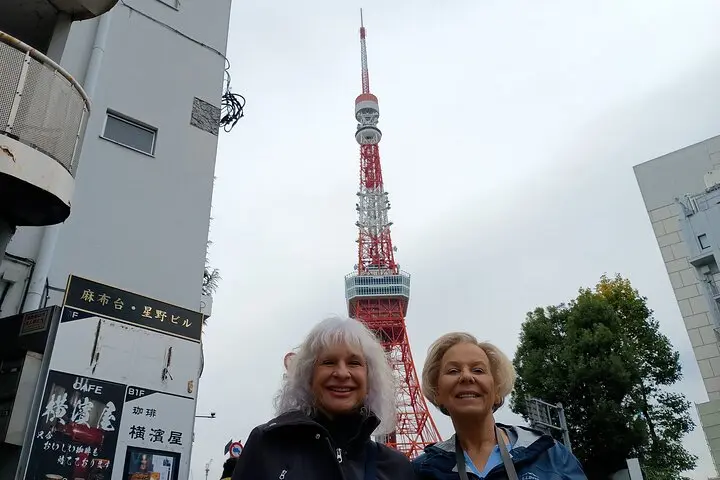
The morning opens at the Yokohama pier: the cruise ship’s gangway folds back into metal, taxis thread past, and a local guide meets you with a small placard. Within minutes you’re on a commuter train slicing toward Tokyo, the city unfurling from low-rise port districts into neon and glass. Shibuya’s human tide, the clatter of Ameyoko market stalls, and Akihabara’s electronic hum arrive in quick succession—each neighborhood a distinct chapter of the city’s character.
The morning opens at the Yokohama pier: the cruise ship’s gangway folds back into metal, taxis thread past, and a local guide meets you with a small placard. Within minutes you’re on a commuter train slicing toward Tokyo, the city unfurling from low-rise port districts into neon and glass. Shibuya’s human tide, the clatter of Ameyoko market stalls, and Akihabara’s electronic hum arrive in quick succession—each neighborhood a distinct chapter of the city’s character.
Tokyo’s streets follow layers of history: the Imperial Palace sits atop what was once Edo Castle, the Meiji era’s modernization is visible in Ginza’s boulevards, and Akihabara’s transformation from electronics wholesale to pop-culture hub is as recent as a generation. Geologically, Tokyo spreads across alluvial lowlands fed by nearby rivers, which historically directed settlement and trade from the ocean to the inland.
Expect a lot of walking mixed with efficient rail travel; a private guide sequences attractions to reduce backtracking. The optional Shinkansen hop back to Yokohama is short but theatrical—a reminder of Japan’s rail legacy.
Practical notes: plan eight hours, wear cushioned shoes, and use a loaded Suica/Pasmo card for quick transfers. Bring water and a light layer—Tokyo’s microclimates shift between city canyons and park gardens. Admission fees, lunch, and local transit fares are usually out-of-pocket. If time is tight, prioritize two or three neighborhoods rather than trying to see everything. For cruise passengers a tailored private tour balances sightseeing with punctual return to port—efficient, urban, and unmistakably Tokyo.