THE ADVENTURE COLLECTIVE® · Independent discovery and booking for outdoor travel

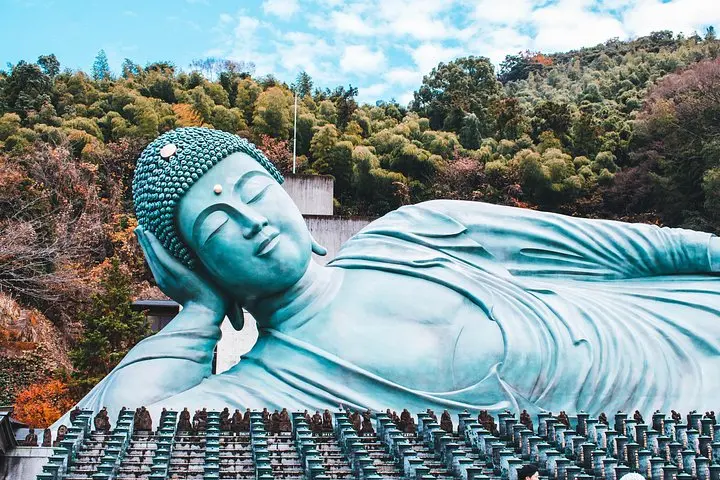
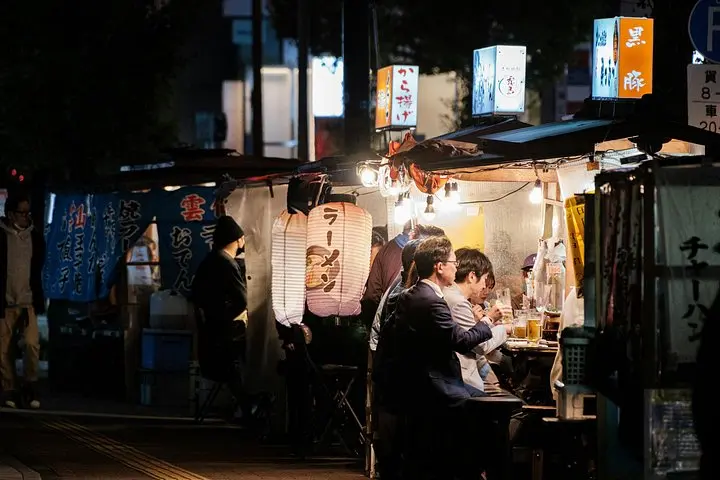
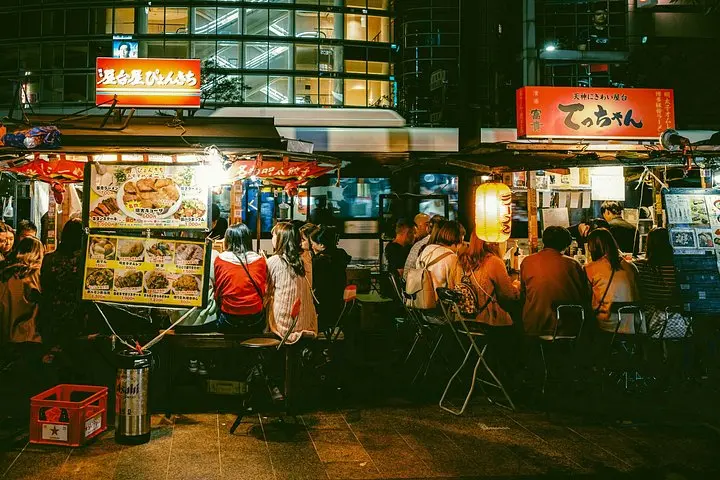
Tailor your own half‑day or full‑day walking tour of Fukuoka with a private local guide. Visit Hakata’s shrines, the impressive Reclining Buddha at Nanzoin, and finish with street‑food yatai.
Tailor your own half‑day or full‑day walking tour of Fukuoka with a private local guide. Visit Hakata’s shrines, the impressive Reclining Buddha at Nanzoin, and finish with street‑food yatai.
You step out of Hakata Station and the city pulls you along — tramlines hum, lacquered shrine gates puncture the skyline and a rooftop garden unfurls a surprising patch of green above the bustle. A local guide paces the route, adjusting the day to match your interests: a quiet shrine blessing, a photo beneath the reclining Buddha, or a tasting stop at a yatai stall as evening lights begin to sizzle.
Verified experiences and guided adventures in the surrounding area.
Operated by Remakr Japan · Fukuoka, Fukuoka Prefecture
You step out of Hakata Station and the city pulls you along — tramlines hum, lacquered shrine gates puncture the skyline and a rooftop garden unfurls a surprising patch of green above the bustle. A local guide paces the route, adjusting the day to match your interests: a quiet shrine blessing, a photo beneath the reclining Buddha, or a tasting stop at a yatai stall as evening lights begin to sizzle.
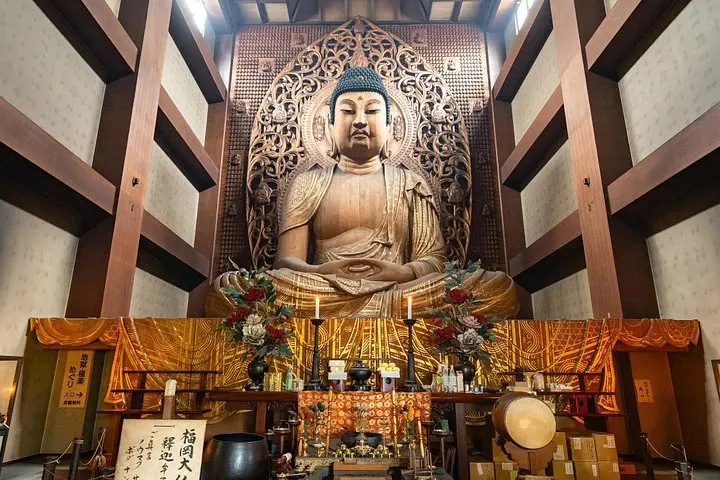
Fukuoka’s story is pragmatic and sea-forged: a centuries-old port that linked Kyushu to continental trade, where Kushida Jinja still anchors the Hakata Gion Yamakasa festival. Nanzoin, a short drive east, houses a roughly 41‑meter reclining Buddha that dominates the hillside and traces modern religious patronage beside older wooden temple halls. The city’s geology is coastal plain cut by small rivers, which shaped neighborhoods and the practical grid of streets.
On a customizable private walking tour you’ll move slowly enough to notice temple carvings and market rhythms but fast enough to cover several key sites. Expect flat, paved streets with minimal elevation gain; a typical 2‑hour route covers about 3–4 km, while a 4–6 hour day can approach 6–8 km depending on stops.
Practical notes: wear sturdy walking shoes, carry small bills or an IC transit card for buses and subways, and bring a compact umbrella during spring’s rainy stretch. Respect shrine etiquette—bow at torii, remove hats in main halls—and time yatai for evening when stalls truly come alive. With a local guide you gain context, shortcuts, and the small, human stories that turn landmarks into lived places.
Tours are available for 2, 4 or 6 hours and the guide will tailor the route to your interests—shrines, temples, food stalls or neighborhood walks.
Nanzoin can be included but requires a short car or train transfer from central Hakata; it’s typically a 30–45 minute ride depending on traffic and your chosen route.
Meals are not included by default; evening tours can arrange a yatai tasting experience (often listed as 3 dishes and 2 drinks) at an additional cost or as part of a selected itinerary.
The tour is labeled easy and suitable for most fitness levels; discuss mobility needs with the operator to arrange shorter routes or more frequent rests and a pickup if required.
Remakr Japan operates guided outdoor trips and adventures with an emphasis on safety, stewardship, and memorable experiences.
You step out of Hakata Station and the city pulls you along — tramlines hum, lacquered shrine gates puncture the skyline and a rooftop garden unfurls a surprising patch of green above the bustle. A local guide paces the route, adjusting the day to match your interests: a quiet shrine blessing, a photo beneath the reclining Buddha, or a tasting stop at a yatai stall as evening lights begin to sizzle.
You step out of Hakata Station and the city pulls you along — tramlines hum, lacquered shrine gates puncture the skyline and a rooftop garden unfurls a surprising patch of green above the bustle. A local guide paces the route, adjusting the day to match your interests: a quiet shrine blessing, a photo beneath the reclining Buddha, or a tasting stop at a yatai stall as evening lights begin to sizzle.
Fukuoka’s story is pragmatic and sea-forged: a centuries-old port that linked Kyushu to continental trade, where Kushida Jinja still anchors the Hakata Gion Yamakasa festival. Nanzoin, a short drive east, houses a roughly 41‑meter reclining Buddha that dominates the hillside and traces modern religious patronage beside older wooden temple halls. The city’s geology is coastal plain cut by small rivers, which shaped neighborhoods and the practical grid of streets.
On a customizable private walking tour you’ll move slowly enough to notice temple carvings and market rhythms but fast enough to cover several key sites. Expect flat, paved streets with minimal elevation gain; a typical 2‑hour route covers about 3–4 km, while a 4–6 hour day can approach 6–8 km depending on stops.
Practical notes: wear sturdy walking shoes, carry small bills or an IC transit card for buses and subways, and bring a compact umbrella during spring’s rainy stretch. Respect shrine etiquette—bow at torii, remove hats in main halls—and time yatai for evening when stalls truly come alive. With a local guide you gain context, shortcuts, and the small, human stories that turn landmarks into lived places.