THE ADVENTURE COLLECTIVE® · Independent discovery and booking for outdoor travel

Walk under a rainforest canopy with a certified guide, spotting sloths, monkeys and tropical birds before finishing with a white‑sand beach stop. Small groups and provided optics make this a focused wildlife experience—park entry is purchased separately.
Walk under a rainforest canopy with a certified guide, spotting sloths, monkeys and tropical birds before finishing with a white‑sand beach stop. Small groups and provided optics make this a focused wildlife experience—park entry is purchased separately.
A humid breeze carries the smell of wet earth as you step into Manuel Antonio National Park’s shady trails. The forest closes in: ferns lower their fronds, and distant howls—an alarm, a greeting—move through the canopy. Your guide slows the group, points toward a mottled clump of fur wrapped in a branch: a three‑toed sloth watching the world pass.
Verified experiences and guided adventures in the surrounding area.
Operated by Pacific jungle adventures · Quepos, Puntarenas
A humid breeze carries the smell of wet earth as you step into Manuel Antonio National Park’s shady trails. The forest closes in: ferns lower their fronds, and distant howls—an alarm, a greeting—move through the canopy. Your guide slows the group, points toward a mottled clump of fur wrapped in a branch: a three‑toed sloth watching the world pass.
Manuel Antonio was set aside in the 1970s to protect one of Costa Rica’s most accessible stretches of lowland rainforest and adjacent marine habitats. The exposed granite outcrops and narrow coves are the visible result of coastal uplift and persistent pacific surf, creating small beaches with fine white sand and offshore reefs that support fish and corals.
Local culture centers on Quepos’ fishing roots and a tourism economy that balances hospitality with conservation rules—guides enforce quiet observation to protect wildlife and nesting shorebirds.
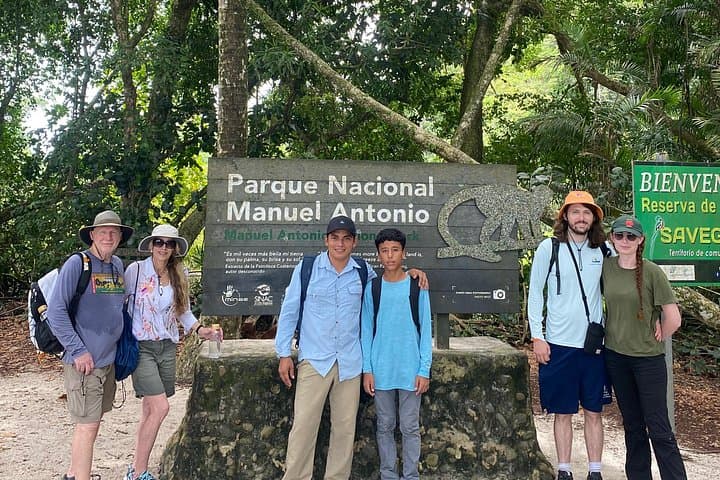
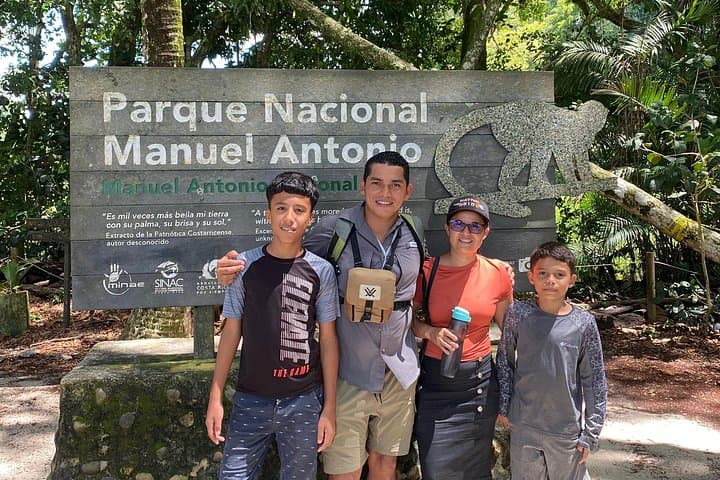
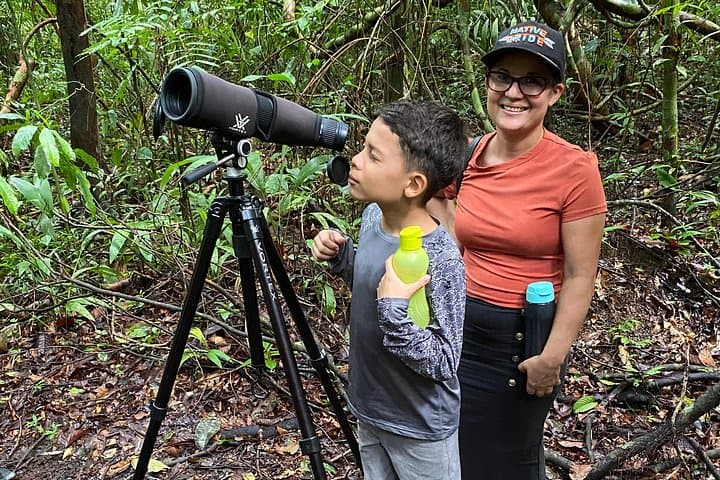
Practical guidance: tours typically run 1–3 hours, on mostly flat, shaded trails with short stairs and occasional muddy patches. You’ll use provided spotting scopes and benefit from early mornings for the most active wildlife. Tickets to the park are not included—purchase at the park entrance. Expect small groups (max ~10), English‑speaking certified guides, and a planned 30‑minute beach stop; you can opt to remain until midafternoon.
Bring steady footwear, water, and layered rain protection in the wet season. Respect wildlife distances, carry out trash, and be prepared for surface roots and narrow boardwalks—Manuel Antonio rewards patience with close encounters and a calm beach to close the visit.
No — entrance tickets to Manuel Antonio National Park are not included and must be purchased separately at the park or online.
The tour is described as suitable for all fitness levels; some areas are wheelchair/stroller accessible but there are boardwalks and short steps—check with the operator for specific accessibility needs.
The itinerary includes a 30‑minute beach stop by default, but guests may remain at the beach until 3:00 PM if they prefer to extend their time there.
Common sightings include three‑toed and two‑toed sloths, white‑faced capuchin and howler monkeys, and a variety of tropical birds; sightings are never guaranteed.
Pacific jungle adventures operates guided outdoor trips and adventures with an emphasis on safety, stewardship, and memorable experiences.
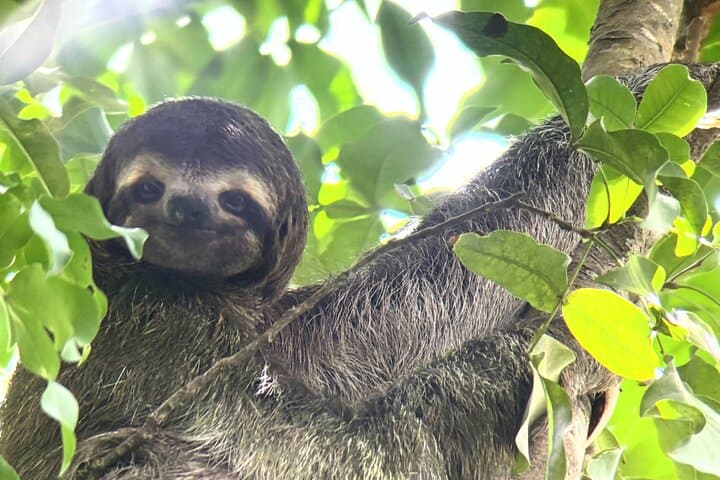
A humid breeze carries the smell of wet earth as you step into Manuel Antonio National Park’s shady trails. The forest closes in: ferns lower their fronds, and distant howls—an alarm, a greeting—move through the canopy. Your guide slows the group, points toward a mottled clump of fur wrapped in a branch: a three‑toed sloth watching the world pass.
A humid breeze carries the smell of wet earth as you step into Manuel Antonio National Park’s shady trails. The forest closes in: ferns lower their fronds, and distant howls—an alarm, a greeting—move through the canopy. Your guide slows the group, points toward a mottled clump of fur wrapped in a branch: a three‑toed sloth watching the world pass.
Manuel Antonio was set aside in the 1970s to protect one of Costa Rica’s most accessible stretches of lowland rainforest and adjacent marine habitats. The exposed granite outcrops and narrow coves are the visible result of coastal uplift and persistent pacific surf, creating small beaches with fine white sand and offshore reefs that support fish and corals.
Local culture centers on Quepos’ fishing roots and a tourism economy that balances hospitality with conservation rules—guides enforce quiet observation to protect wildlife and nesting shorebirds.
Practical guidance: tours typically run 1–3 hours, on mostly flat, shaded trails with short stairs and occasional muddy patches. You’ll use provided spotting scopes and benefit from early mornings for the most active wildlife. Tickets to the park are not included—purchase at the park entrance. Expect small groups (max ~10), English‑speaking certified guides, and a planned 30‑minute beach stop; you can opt to remain until midafternoon.
Bring steady footwear, water, and layered rain protection in the wet season. Respect wildlife distances, carry out trash, and be prepared for surface roots and narrow boardwalks—Manuel Antonio rewards patience with close encounters and a calm beach to close the visit.