THE ADVENTURE COLLECTIVE® · Independent discovery and booking for outdoor travel

Pedal from Roman squares through Born markets and up Montjuïc, tasting cured hams, cheeses and paella along the way. This four-hour private bike-and-food tour pairs easy urban cycling with market-led culinary insights.
Pedal from Roman squares through Born markets and up Montjuïc, tasting cured hams, cheeses and paella along the way. This four-hour private bike-and-food tour pairs easy urban cycling with market-led culinary insights.
The ride begins on two wheels beneath narrow medieval streets, sunlight slicing through stone and the city’s buzz folding around you like the warm smell of baking bread. Cyclists set off from the Roman quarter, navigating flagstone turns that still carry the rhythm of an ancient port city, before slipping into the Born’s lanes where artisan shops and mercados occupy the same alleys that housed craftsmen centuries ago.
Verified experiences and guided adventures in the surrounding area.
Operated by Brendan's GastroSpain · Barcelona, Catalonia
The ride begins on two wheels beneath narrow medieval streets, sunlight slicing through stone and the city’s buzz folding around you like the warm smell of baking bread. Cyclists set off from the Roman quarter, navigating flagstone turns that still carry the rhythm of an ancient port city, before slipping into the Born’s lanes where artisan shops and mercados occupy the same alleys that housed craftsmen centuries ago.
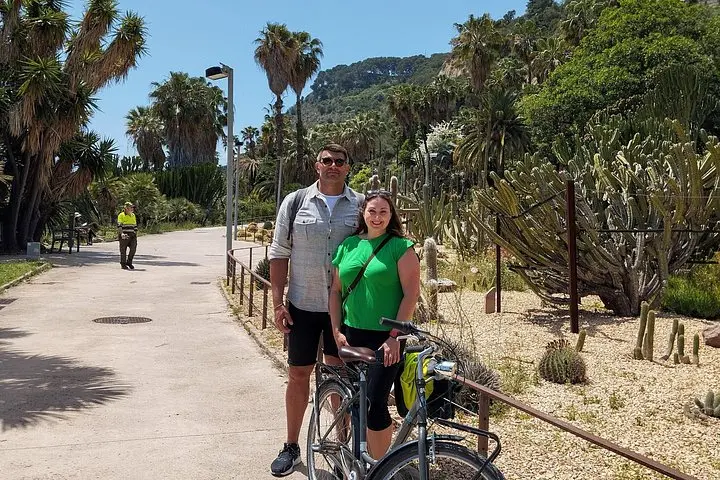
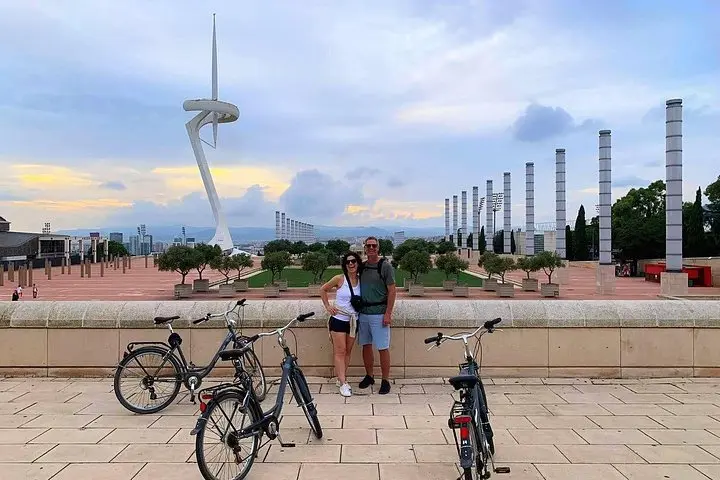
History is immediate here: Roman foundations peek under Gothic facades, and the Born and Raval neighborhoods tell stories of industrial grit, artistic rebellion and urban reinvention. Geology shows in the slope of Montjuïc, a volcanic-looking outcrop quarried and repurposed through time — now a green vantage that frames the city and the sea.
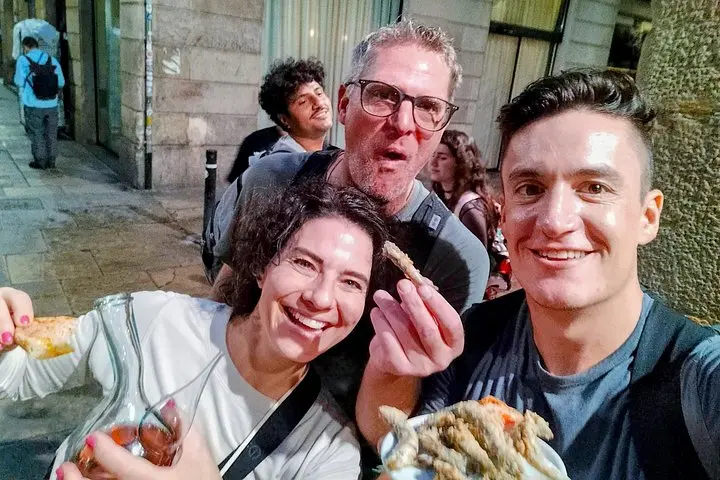
Culturally the tour moves at a human pace: a guided tasting at Santa Caterina market—three cheeses, two hams and chorizo—plus a local vermut or sangria, and finishing with paella by the Barceloneta shore. Along the way, guides explain dry-curing techniques, Barcelona’s market traditions and why the city routes favor cyclists.
Practical guidance: the route is mostly flat urban streets with one moderate climb to Montjuïc (escalators available). Expect mixed pavement—cobblestones in the Gothic Quarter, wider bike lanes in Sant Antoni. Wear closed shoes, bring a light waterproof layer and a small lock if you plan brief solo detours. Hydrate between tastings and reserve early for private-group departures. This four-hour experience blends low-effort pedaling with hands-on food sampling—ideal for travelers who want active sightseeing with a clear taste of Catalan cuisine.
No; the tour is designed for all fitness levels with mostly easy urban riding and frequent stops.
Yes—bookings collect dietary needs and guides can adjust tastings, but notify in advance for strict allergies.
Montjuïc includes one moderate climb but escalators or a gentler paved approach are used so effort is limited.
Yes, departures are private which allows a flexible pace and personalized attention from the guide.
Brendan's GastroSpain operates guided outdoor trips and adventures with an emphasis on safety, stewardship, and memorable experiences.
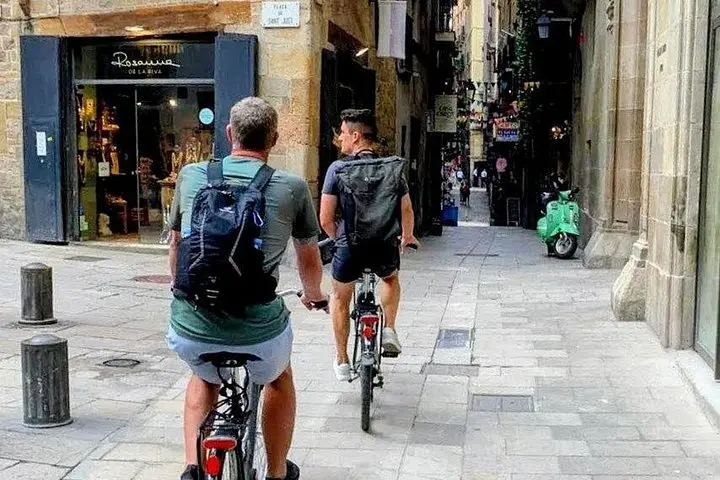
The ride begins on two wheels beneath narrow medieval streets, sunlight slicing through stone and the city’s buzz folding around you like the warm smell of baking bread. Cyclists set off from the Roman quarter, navigating flagstone turns that still carry the rhythm of an ancient port city, before slipping into the Born’s lanes where artisan shops and mercados occupy the same alleys that housed craftsmen centuries ago.
The ride begins on two wheels beneath narrow medieval streets, sunlight slicing through stone and the city’s buzz folding around you like the warm smell of baking bread. Cyclists set off from the Roman quarter, navigating flagstone turns that still carry the rhythm of an ancient port city, before slipping into the Born’s lanes where artisan shops and mercados occupy the same alleys that housed craftsmen centuries ago.
History is immediate here: Roman foundations peek under Gothic facades, and the Born and Raval neighborhoods tell stories of industrial grit, artistic rebellion and urban reinvention. Geology shows in the slope of Montjuïc, a volcanic-looking outcrop quarried and repurposed through time — now a green vantage that frames the city and the sea.
Culturally the tour moves at a human pace: a guided tasting at Santa Caterina market—three cheeses, two hams and chorizo—plus a local vermut or sangria, and finishing with paella by the Barceloneta shore. Along the way, guides explain dry-curing techniques, Barcelona’s market traditions and why the city routes favor cyclists.
Practical guidance: the route is mostly flat urban streets with one moderate climb to Montjuïc (escalators available). Expect mixed pavement—cobblestones in the Gothic Quarter, wider bike lanes in Sant Antoni. Wear closed shoes, bring a light waterproof layer and a small lock if you plan brief solo detours. Hydrate between tastings and reserve early for private-group departures. This four-hour experience blends low-effort pedaling with hands-on food sampling—ideal for travelers who want active sightseeing with a clear taste of Catalan cuisine.